Is USDT Safe? Tether’s Reserves, Audits & Regulatory Compliance
TL;DR (Key Takeaways)
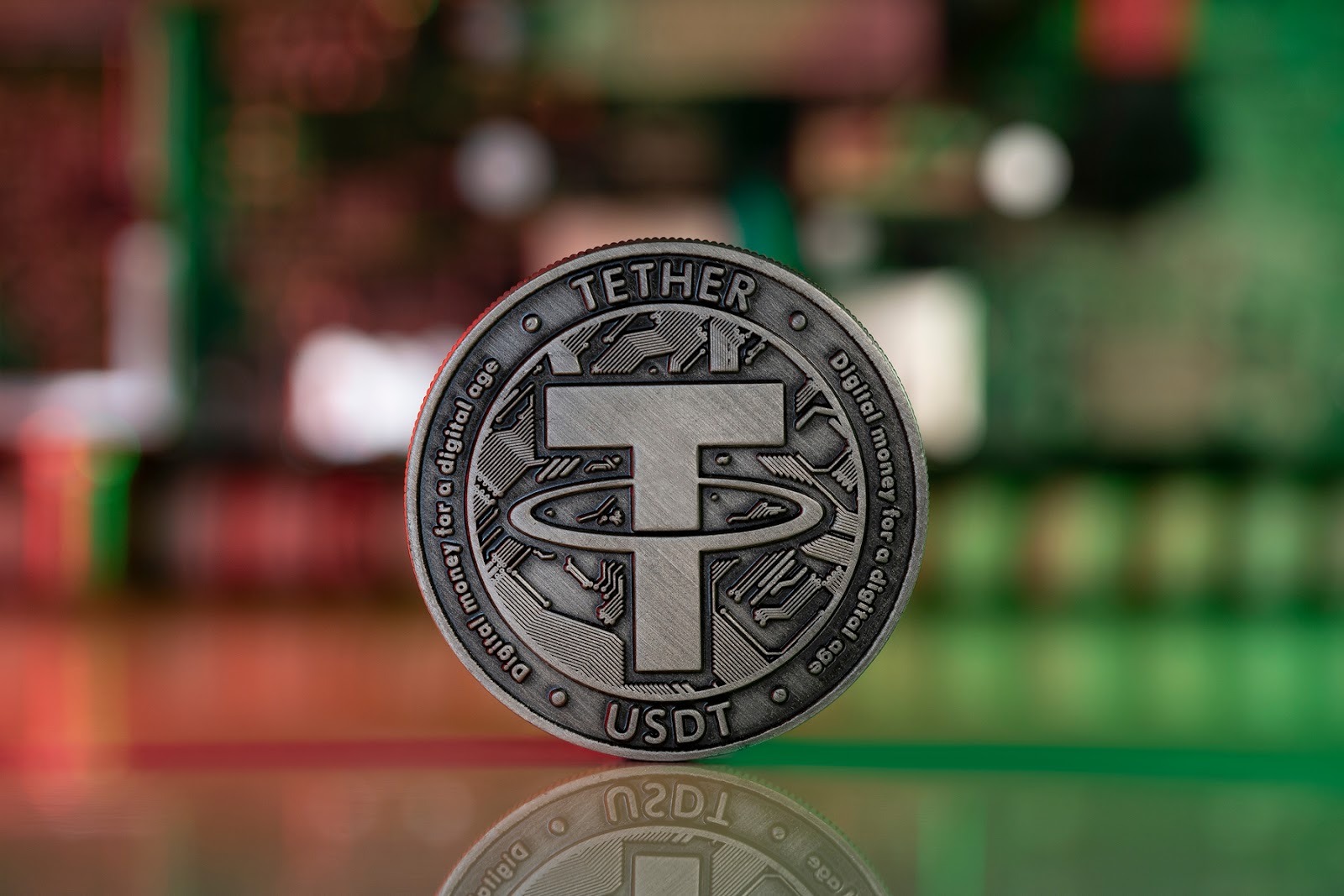
- The Core Question: Is USDT safe? Yes, but with caveats. Tether has significantly shifted its reserves to US Treasuries (considered risk-free) to silence critics.
- The Audit Upgrade: Unlike 2021, Tether now publishes daily reserve attestations audited by top-tier firms like BDO Italia.
- Global Rules:
- EU: Fully compliant with the strict MiCA regulation.
- US: Operates under strict monitoring by the CFTC and NYAG.
- Your Risk: The main risk isn't "scam," it's regulatory freeze. Centralized issuers can freeze funds if compelled by law enforcement.

Introduction: Navigating the "Tether FUD"
1.The "Reserves" Controversy: What Backs Your USDT?
Past vs. Present (2026)
- The Past (2017-2021): Tether held a mix of commercial paper (corporate debt) and cash. Critics argued this was risky.
- The Present (2026): Tether has aggressively pivoted.
- >80% of reserves are now in US Treasury Bills (Short-term government debt).
- Gold & Bitcoin: A small percentage is held in diversified assets.
- Surplus Equity: Tether holds billions in excess reserves (profit) to act as a cushion against market crashes.
2.Global Regulatory Landscape: Where is USDT Legal?
2.1 European Union (The MiCA Standard)
- Status: Compliant.
- Impact: MiCA requires stablecoin issuers to hold 1:1 liquid reserves and allow 1-day redemption rights. Tether adjusted its EU operations to meet these strict capital requirements.
- Bottom Line: If you are in the EU, using MiCA-compliant stablecoins like USDT is safer than ever.
2.2 United States (The Watchful Eye)
- CFTC (Commodity Futures Trading Commission): Treats USDT as a commodity.
- OFAC (Office of Foreign Assets Control): Tether actively cooperates with the FBI and Secret Service to freeze wallets linked to illicit activity.
- External Authority: See how blockchain intelligence firms like Chainalysis track illicit funds to ensure compliance.
2.3 Asia (The Adoption Hub)
- Hong Kong & Singapore: Have clear licensing regimes for stablecoin issuers.
- Usage: In Asia, USDT is often used not just for trading but for cross-border payments by import/export businesses.
3.The Real Risks: Censorship & De-Pegs
Risk 1: The "Freeze" Function (Reality Check)
- Total Frozen Assets: Tether has blacklisted over 7,800 addresses on Ethereum and frozen a staggering $3.29 Billion USDT globally across all chains.
- Tron vs. Ethereum: While Ethereum has more blacklisted addresses, the Tron network accounts for the majority of the frozen value (~$1.75 Billion), reflecting its high usage in cross-border flows.
- Major Crackdowns:
- June 2025: Tether assisted the US Secret Service in freezing $225 Million linked to an international human trafficking and "pig butchering" syndicate.
- Jan 2026: Another $182 Million was frozen across just 5 Tron wallets following a formal law enforcement request.
Risk 2: Temporary De-Pegs
- Why? Liquidity crunches on exchanges.
- Outcome: Tether has always honored redemptions at $1.00 on their primary portal, restoring the peg quickly.
4.Future Outlook: CBDCs vs. USDT
- Likely Scenario: No. CBDCs (like a Digital Dollar) will likely be used for inter-bank settlement.
- USDT's Role: It will remain the "lubricant" of the crypto market because it is permissionless (anyone can hold it) and deeply integrated into DeFi.
5.Frequently Asked Questions (FAQ)
Conclusion
Disclaimer:
Popular Articles
Can Stargate (STG) Regain Price Momentum Through veSTG Incentives in 2026?
As the cross-chain interoperability landscape matures in 2026, Stargate Finance (STG) stands at a critical juncture following its acquisition by the LayerZero Foundation. For investors, one question l
StableChain (STABLE) Market Analysis: On-Chain Data vs. Growth Potential
Key TakeawaysInnovation: StableChain eliminates the need for volatile assets like ETH or SOL by using USDT as its native gas token for transaction fees.Bearish Signal: Despite a high-profile December
USDT vs. USDC: The Definitive Comparison Guide for Traders (2026)
TL;DR (Key Takeaways)The Core Difference: USDT (Tether) is the king of liquidity and global trading volume, while USDC (USD Coin) dominates in regulatory compliance and institutional transparency.Best
Understanding USDT Networks: TRC20 vs. ERC20 vs. BEP20 (2026 Guide)
What is the difference between TRC20 and ERC20 USDT? The difference lies in the network infrastructure and transaction fees. TRC20 USDT runs on the Tron network and is preferred for low-cost transfers
Hot Crypto Updates
View More
The 2026 Regulatory Storm Survival Guide: How BEEG's "Ownerless Architecture" Creates a Crypto Safe Haven
In-depth analysis of how BEEG token uses complete decentralization to resist the 2026 global crypto regulatory crackdown. Explore contract ownership renunciation, DAO governance, and regulatory
BEEG as Sui's "Cultural Ambassador": The Ultimate Safe Haven for Cross-Chain Migration in 2026
Discover how BEEG leverages meme culture to attract Solana and Ethereum users to Sui ecosystem. Learn why BEEG is the ideal choice for high-performance blockchain in 2026 and how to trade this
Jable (JAB) Security Audit Deep Dive: How to Identify Truly Safe Crypto Assets in 2026?
Is Jable (JAB) safe? This comprehensive guide deconstructs JAB security audits and reveals key indicators for identifying truly safe crypto assets in the post-Rug Pull era. Discover why trading JAB
Beeg Blue Whale (BEEG) Investment Risk Management Complete Guide: Safe Meme Coin Investing
Executive Summary Investing in Beeg Blue Whale (BEEG) and similar meme coin projects offers attractive potential returns but carries significant risks. This article provides comprehensive risk
Trending News
View More
Gold climbs above $4,600 as geopolitical tensions escalate
The post Gold climbs above $4,600 as geopolitical tensions escalate appeared on BitcoinEthereumNews.com. Gold price (XAU/USD) climbs to near $4,615 and is set to

YO released a recap of the yoUSD incident: The automatic exchange operation caused a $3.7 million shortfall, which has been fully covered by the vault.
PANews reported on January 15 that DeFi protocol YO released a recap of the yoUSD incident, stating that the yoUSD vault has fully resumed operation and funds are

Gold trades near $4,600 after pulling back from record highs
The post Gold trades near $4,600 after pulling back from record highs appeared on BitcoinEthereumNews.com. Gold (XAU/USD) loses ground after hitting a fresh record

San Diego Transformation Center Awarded Behavioral Health Care Accreditation from The Joint Commission
SAN DIEGO, CA — San Diego Transformation Center, a behavioral health provider operated by Prosperous Health San Diego, LLC, has earned Behavioral Health Care Accreditation
Related Articles
Can Stargate (STG) Regain Price Momentum Through veSTG Incentives in 2026?
As the cross-chain interoperability landscape matures in 2026, Stargate Finance (STG) stands at a critical juncture following its acquisition by the LayerZero Foundation. For investors, one question l
StableChain (STABLE) Market Analysis: On-Chain Data vs. Growth Potential
Key TakeawaysInnovation: StableChain eliminates the need for volatile assets like ETH or SOL by using USDT as its native gas token for transaction fees.Bearish Signal: Despite a high-profile December
Is USDT Safe? Tether’s Reserves, Audits & Regulatory Compliance
TL;DR (Key Takeaways)The Core Question: Is USDT safe? Yes, but with caveats. Tether has significantly shifted its reserves to US Treasuries (considered risk-free) to silence critics.The Audit Upgrade:
USDT vs. USDC: The Definitive Comparison Guide for Traders (2026)
TL;DR (Key Takeaways)The Core Difference: USDT (Tether) is the king of liquidity and global trading volume, while USDC (USD Coin) dominates in regulatory compliance and institutional transparency.Best