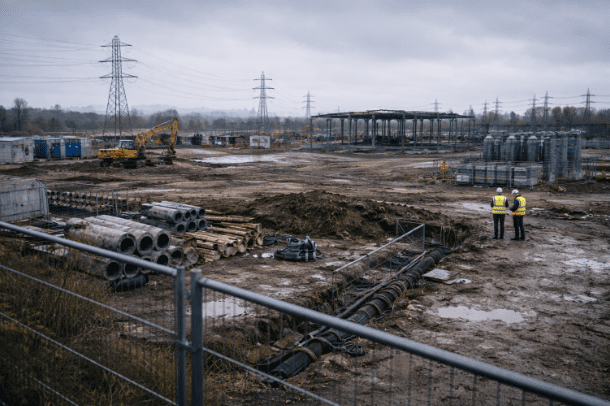
China’s teapot refineries leverage geopolitical tensions to secure discounted oil, reshaping global energy dynamics.
Key Takeaways
- The ongoing conflict in the Middle East is significantly impacting global oil logistics and prices.
- The US is poised to benefit from increased gas exports to Europe due to geopolitical tensions.
- China’s strategic petroleum reserve plays a crucial role in its oil import strategy.
- Iran is a significant supplier of crude oil to China, accounting for about 12% of its imports.
- Teapot refineries in China are major buyers of Iranian crude due to their risk tolerance.
- National oil companies avoid Iranian crude to maintain access to the US dollar financial system.
- Chinese teapot refineries gained the ability to import crude oil in 2015, diversifying supply sources.
- Teapot refineries capitalize on discounts from sanctioned countries, becoming key market players.
- China is likely to increase Russian oil imports to offset Middle Eastern supply losses.
- China’s oil stockpiles can sustain imports for 120 days at 2025 levels, enhancing energy security.
- The dynamics of China’s oil market are shaped by geopolitical events and regulatory changes.
- The strategic positioning of smaller refineries allows them to navigate international sanctions effectively.
- The US energy market is strategically positioned to capitalize on European energy needs.
- China’s preparedness with strategic reserves highlights its resilience against supply disruptions.
- The role of teapot refineries underscores the impact of regulatory shifts on market dynamics.
Guest intro
Erica Downs is a senior research scholar at the Center on Global Energy Policy at the Columbia University School of International and Public Affairs. She has a long background studying Chinese energy policy.
The impact of the Middle East conflict on global oil markets
-
— Erica Downs
- The conflict has led to a massive surge in oil prices, affecting global markets.
-
— Erica Downs
- The logistics of transporting oil and other commodities from the region are severely impacted.
-
— Erica Downs
- Understanding the geopolitical context is crucial for grasping the market implications.
- The situation underscores the vulnerability of global oil supply chains to geopolitical events.
- The conflict highlights the interconnectedness of global energy markets and geopolitical stability.
- The impact on oil prices reflects broader concerns about energy security and supply disruptions.
US energy exports and European needs amid geopolitical tensions
-
— Erica Downs
- The strategic advantage of the US in the current energy market is evident.
-
— Erica Downs
- The increase in US gas exports to Europe is a direct response to geopolitical tensions.
- European energy needs are driving demand for US energy exports.
- The US energy market is well-positioned to capitalize on these geopolitical dynamics.
- The situation highlights the importance of energy independence and diversification for Europe.
- The ongoing conflict underscores the strategic importance of energy exports in geopolitical contexts.
China’s strategic petroleum reserve and import strategy
-
— Erica Downs
- The reserve allows China to manage its energy needs during supply disruptions.
-
— Erica Downs
- The strategic reserve is a key component of China’s energy security strategy.
- The reserve’s role is crucial amid fluctuating global oil prices and supply uncertainties.
- China’s reliance on its strategic reserve highlights its preparedness for geopolitical disruptions.
- The reserve’s importance is underscored by China’s significant oil import needs.
- The strategic reserve provides China with leverage in global energy markets.
The role of Iran in China’s oil imports
-
— Erica Downs
- Iranian oil is a critical component of China’s overall import strategy.
-
— Erica Downs
- The geopolitical relationship between China and Iran affects global oil dynamics.
- China’s reliance on Iranian oil underscores the complexity of its energy strategy.
- The significance of Iranian oil highlights the geopolitical risks in China’s import strategy.
- The relationship with Iran is part of China’s broader strategy to diversify its energy sources.
- The role of Iranian oil in China’s imports reflects broader geopolitical alignments.
The strategic positioning of teapot refineries in China
-
— Erica Downs
- These smaller refineries capitalize on discounts from sanctioned countries.
-
— Erica Downs
- Their risk tolerance allows them to navigate international sanctions effectively.
-
— Erica Downs
- The strategic positioning of teapot refineries highlights their role in China’s oil market.
- Their ability to import crude oil since 2015 has diversified their supply sources.
- The role of teapot refineries underscores the impact of regulatory shifts on market dynamics.
National oil companies and the US dollar financial system
-
— Erica Downs
- Maintaining access to the US dollar system is crucial for these companies.
-
— Erica Downs
- The operational constraints faced by national oil companies are significant.
- Their strategies are shaped by the need to navigate international financial systems.
- The avoidance of Iranian crude reflects broader geopolitical and financial considerations.
- The role of national oil companies highlights the complexity of global oil trading.
- Their strategies underscore the interplay between geopolitics and financial systems.
The rise of teapot refineries as key market players
-
— Erica Downs
- This regulatory change significantly impacted the oil market dynamics in China.
-
— Erica Downs
- Their ability to capitalize on discounts has made them key players in the market.
- The rise of teapot refineries reflects broader shifts in China’s energy policies.
- Their strategic advantage is evident in their ability to navigate geopolitical factors.
- The role of teapot refineries highlights the impact of market dynamics on energy strategies.
- Their importance in the market underscores the significance of regulatory changes.
China’s response to supply disruptions with increased Russian oil imports
-
— Erica Downs
- This strategy reflects China’s adaptability in response to geopolitical changes.
-
— Erica Downs
- The geopolitical dynamics affecting oil imports are complex and multifaceted.
- China’s strategy highlights its need to diversify its energy sources.
- The increase in Russian oil imports underscores the importance of geopolitical alignments.
- China’s response to supply disruptions reflects its strategic priorities in energy security.
- The situation highlights the interconnectedness of global energy markets and geopolitical events.
The significance of China’s strategic and commercial oil stockpiles
-
— Erica Downs
- These stockpiles enhance China’s energy security and resilience.
-
— Erica Downs
- The stockpiles provide a buffer against potential supply disruptions.
- Their significance is underscored by China’s substantial oil import needs.
- The stockpiles reflect China’s long-term strategic planning in energy security.
- Their role highlights the importance of preparedness in the face of geopolitical uncertainties.
- The stockpiles provide China with leverage in global energy markets.
China’s teapot refineries leverage geopolitical tensions to secure discounted oil, reshaping global energy dynamics.
Key Takeaways
- The ongoing conflict in the Middle East is significantly impacting global oil logistics and prices.
- The US is poised to benefit from increased gas exports to Europe due to geopolitical tensions.
- China’s strategic petroleum reserve plays a crucial role in its oil import strategy.
- Iran is a significant supplier of crude oil to China, accounting for about 12% of its imports.
- Teapot refineries in China are major buyers of Iranian crude due to their risk tolerance.
- National oil companies avoid Iranian crude to maintain access to the US dollar financial system.
- Chinese teapot refineries gained the ability to import crude oil in 2015, diversifying supply sources.
- Teapot refineries capitalize on discounts from sanctioned countries, becoming key market players.
- China is likely to increase Russian oil imports to offset Middle Eastern supply losses.
- China’s oil stockpiles can sustain imports for 120 days at 2025 levels, enhancing energy security.
- The dynamics of China’s oil market are shaped by geopolitical events and regulatory changes.
- The strategic positioning of smaller refineries allows them to navigate international sanctions effectively.
- The US energy market is strategically positioned to capitalize on European energy needs.
- China’s preparedness with strategic reserves highlights its resilience against supply disruptions.
- The role of teapot refineries underscores the impact of regulatory shifts on market dynamics.
Guest intro
Erica Downs is a senior research scholar at the Center on Global Energy Policy at the Columbia University School of International and Public Affairs. She has a long background studying Chinese energy policy.
The impact of the Middle East conflict on global oil markets
-
— Erica Downs
- The conflict has led to a massive surge in oil prices, affecting global markets.
-
— Erica Downs
- The logistics of transporting oil and other commodities from the region are severely impacted.
-
— Erica Downs
- Understanding the geopolitical context is crucial for grasping the market implications.
- The situation underscores the vulnerability of global oil supply chains to geopolitical events.
- The conflict highlights the interconnectedness of global energy markets and geopolitical stability.
- The impact on oil prices reflects broader concerns about energy security and supply disruptions.
US energy exports and European needs amid geopolitical tensions
-
— Erica Downs
- The strategic advantage of the US in the current energy market is evident.
-
— Erica Downs
- The increase in US gas exports to Europe is a direct response to geopolitical tensions.
- European energy needs are driving demand for US energy exports.
- The US energy market is well-positioned to capitalize on these geopolitical dynamics.
- The situation highlights the importance of energy independence and diversification for Europe.
- The ongoing conflict underscores the strategic importance of energy exports in geopolitical contexts.
China’s strategic petroleum reserve and import strategy
-
— Erica Downs
- The reserve allows China to manage its energy needs during supply disruptions.
-
— Erica Downs
- The strategic reserve is a key component of China’s energy security strategy.
- The reserve’s role is crucial amid fluctuating global oil prices and supply uncertainties.
- China’s reliance on its strategic reserve highlights its preparedness for geopolitical disruptions.
- The reserve’s importance is underscored by China’s significant oil import needs.
- The strategic reserve provides China with leverage in global energy markets.
The role of Iran in China’s oil imports
-
— Erica Downs
- Iranian oil is a critical component of China’s overall import strategy.
-
— Erica Downs
- The geopolitical relationship between China and Iran affects global oil dynamics.
- China’s reliance on Iranian oil underscores the complexity of its energy strategy.
- The significance of Iranian oil highlights the geopolitical risks in China’s import strategy.
- The relationship with Iran is part of China’s broader strategy to diversify its energy sources.
- The role of Iranian oil in China’s imports reflects broader geopolitical alignments.
The strategic positioning of teapot refineries in China
-
— Erica Downs
- These smaller refineries capitalize on discounts from sanctioned countries.
-
— Erica Downs
- Their risk tolerance allows them to navigate international sanctions effectively.
-
— Erica Downs
- The strategic positioning of teapot refineries highlights their role in China’s oil market.
- Their ability to import crude oil since 2015 has diversified their supply sources.
- The role of teapot refineries underscores the impact of regulatory shifts on market dynamics.
National oil companies and the US dollar financial system
-
— Erica Downs
- Maintaining access to the US dollar system is crucial for these companies.
-
— Erica Downs
- The operational constraints faced by national oil companies are significant.
- Their strategies are shaped by the need to navigate international financial systems.
- The avoidance of Iranian crude reflects broader geopolitical and financial considerations.
- The role of national oil companies highlights the complexity of global oil trading.
- Their strategies underscore the interplay between geopolitics and financial systems.
The rise of teapot refineries as key market players
-
— Erica Downs
- This regulatory change significantly impacted the oil market dynamics in China.
-
— Erica Downs
- Their ability to capitalize on discounts has made them key players in the market.
- The rise of teapot refineries reflects broader shifts in China’s energy policies.
- Their strategic advantage is evident in their ability to navigate geopolitical factors.
- The role of teapot refineries highlights the impact of market dynamics on energy strategies.
- Their importance in the market underscores the significance of regulatory changes.
China’s response to supply disruptions with increased Russian oil imports
-
— Erica Downs
- This strategy reflects China’s adaptability in response to geopolitical changes.
-
— Erica Downs
- The geopolitical dynamics affecting oil imports are complex and multifaceted.
- China’s strategy highlights its need to diversify its energy sources.
- The increase in Russian oil imports underscores the importance of geopolitical alignments.
- China’s response to supply disruptions reflects its strategic priorities in energy security.
- The situation highlights the interconnectedness of global energy markets and geopolitical events.
The significance of China’s strategic and commercial oil stockpiles
-
— Erica Downs
- These stockpiles enhance China’s energy security and resilience.
-
— Erica Downs
- The stockpiles provide a buffer against potential supply disruptions.
- Their significance is underscored by China’s substantial oil import needs.
- The stockpiles reflect China’s long-term strategic planning in energy security.
- Their role highlights the importance of preparedness in the face of geopolitical uncertainties.
- The stockpiles provide China with leverage in global energy markets.
Loading more articles…
You’ve reached the end
Add us on Google
`;
}
function createMobileArticle(article) {
const displayDate = getDisplayDate(article);
const editorSlug = article.editor ? article.editor.toLowerCase().replace(/\s+/g, ‘-‘) : ”;
const captionHtml = article.imageCaption ? `
${article.imageCaption}
` : ”;
const authorHtml = article.isPressRelease ? ” : `
`;
return `
${captionHtml}
${article.subheadline ? `
${article.subheadline}
` : ”}
${createSocialShare()}
${authorHtml}
${displayDate}
${article.content}
${article.isPressRelease ? ” : article.isSponsored ? `
` : `
`}
`;
}
function createDesktopArticle(article, sidebarAdHtml) {
const editorSlug = article.editor ? article.editor.toLowerCase().replace(/\s+/g, ‘-‘) : ”;
const displayDate = getDisplayDate(article);
const captionHtml = article.imageCaption ? `
${article.imageCaption}
` : ”;
const categoriesHtml = article.categories.map((cat, i) => {
const separator = i < article.categories.length – 1 ? ‘|‘ : ”;
return `${cat}${separator}`;
}).join(”);
const desktopAuthorHtml = article.isPressRelease ? ” : `
`;
return `
${categoriesHtml}
${article.subheadline}
` : ”}
${desktopAuthorHtml}
${displayDate}
${createSocialShare()}
${captionHtml}
${article.isPressRelease ? ” : article.isSponsored ? `
` : `
`}
`;
}
function loadMoreArticles() {
if (isLoading || !hasMore) return;
isLoading = true;
loadingText.classList.remove(‘hidden’);
// Build form data for AJAX request
const formData = new FormData();
formData.append(‘action’, ‘cb_lovable_load_more’);
formData.append(‘current_post_id’, lastLoadedPostId);
formData.append(‘primary_cat_id’, primaryCatId);
formData.append(‘before_date’, lastLoadedDate);
formData.append(‘loaded_ids’, loadedPostIds.join(‘,’));
fetch(ajaxUrl, {
method: ‘POST’,
body: formData
})
.then(response => response.json())
.then(data => {
isLoading = false;
loadingText.classList.add(‘hidden’);
if (data.success && data.has_more && data.article) {
const article = data.article;
const sidebarAdHtml = data.sidebar_ad_html || ”;
// Check for duplicates
if (loadedPostIds.includes(article.id)) {
console.log(‘Duplicate article detected, skipping:’, article.id);
// Update pagination vars and try again
lastLoadedDate = article.publishDate;
loadMoreArticles();
return;
}
// Add to mobile container
mobileContainer.insertAdjacentHTML(‘beforeend’, createMobileArticle(article));
// Add to desktop container with fresh ad HTML
desktopContainer.insertAdjacentHTML(‘beforeend’, createDesktopArticle(article, sidebarAdHtml));
// Update tracking variables
loadedPostIds.push(article.id);
lastLoadedPostId = article.id;
lastLoadedDate = article.publishDate;
// Execute any inline scripts in the new content (for ads)
const newArticle = desktopContainer.querySelector(`article[data-article-id=”${article.id}”]`);
if (newArticle) {
const scripts = newArticle.querySelectorAll(‘script’);
scripts.forEach(script => {
const newScript = document.createElement(‘script’);
if (script.src) {
newScript.src = script.src;
} else {
newScript.textContent = script.textContent;
}
document.body.appendChild(newScript);
});
}
// Trigger Ad Inserter if available
if (typeof ai_check_and_insert_block === ‘function’) {
ai_check_and_insert_block();
}
// Trigger Google Publisher Tag refresh if available
if (typeof googletag !== ‘undefined’ && googletag.pubads) {
googletag.cmd.push(function() {
googletag.pubads().refresh();
});
}
} else if (data.success && !data.has_more) {
hasMore = false;
endText.classList.remove(‘hidden’);
} else if (!data.success) {
console.error(‘AJAX error:’, data.error);
hasMore = false;
endText.textContent=”Error loading more articles”;
endText.classList.remove(‘hidden’);
}
})
.catch(error => {
console.error(‘Fetch error:’, error);
isLoading = false;
loadingText.classList.add(‘hidden’);
hasMore = false;
endText.textContent=”Error loading more articles”;
endText.classList.remove(‘hidden’);
});
}
// Set up IntersectionObserver
const observer = new IntersectionObserver(function(entries) {
if (entries[0].isIntersecting) {
loadMoreArticles();
}
}, { threshold: 0.1 });
observer.observe(loadingTrigger);
})();
© Decentral Media and Crypto Briefing® 2026.
Source: https://cryptobriefing.com/erica-downs-middle-east-conflict-is-disrupting-global-oil-logistics-the-us-stands-to-gain-from-increased-gas-exports-to-europe-and-chinas-teapot-refineries-are-reshaping-import-strategies-odd-l/