

GameStop Bitcoin Loss: The $9 Million Crypto Gamble That Backfired

BitcoinWorld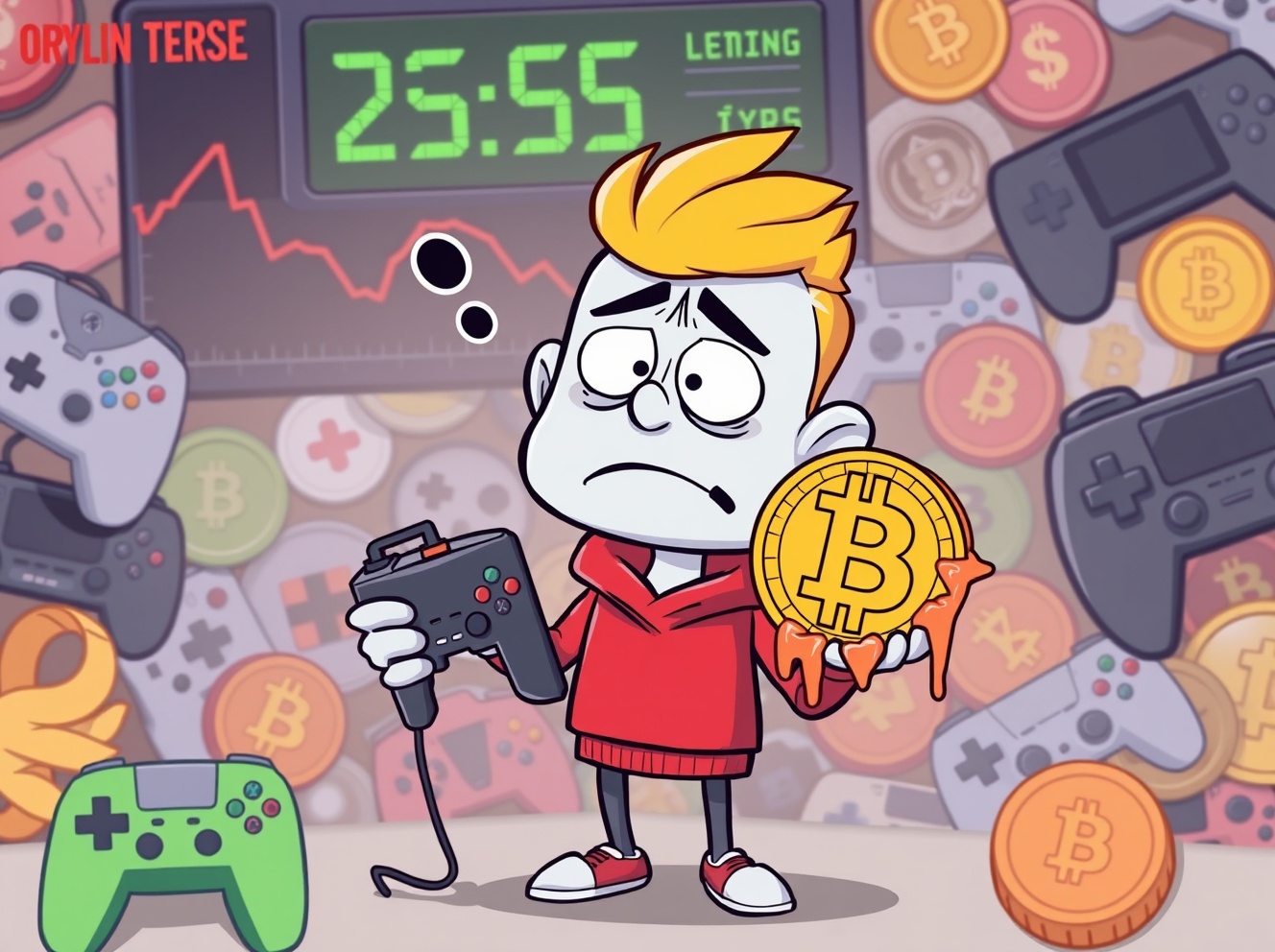
GameStop Bitcoin Loss: The $9 Million Crypto Gamble That Backfired
When GameStop jumped into Bitcoin, many saw it as a bold move into the future. However, their latest earnings report reveals a sobering reality: a $9 million unrealized loss on their cryptocurrency holdings. This development raises crucial questions about corporate Bitcoin investments and their impact on traditional businesses. Let’s unpack what happened and why it matters for both crypto enthusiasts and investors.
What Exactly Happened With GameStop’s Bitcoin Investment?
GameStop’s third-quarter earnings report delivered surprising news about their cryptocurrency strategy. The video game retailer disclosed holding 4,710 Bitcoin while simultaneously reporting a $9 million unrealized loss on these digital assets. This GameStop Bitcoin loss occurred during a period of market volatility, highlighting the risks companies face when venturing into cryptocurrency investments.
The company’s overall financial performance also disappointed investors. GameStop reported revenue of $821 million for the quarter, significantly below the consensus estimate of $980 million. Following the earnings announcement, the company’s stock price dropped by more than 4%, reflecting investor concerns about both traditional business performance and cryptocurrency exposure.
Why Did GameStop Invest in Bitcoin Anyway?
GameStop’s move into Bitcoin represents a growing trend among traditional companies seeking diversification and exposure to digital assets. Several factors likely influenced their decision:
- Diversification strategy: Companies often use Bitcoin as a hedge against traditional market fluctuations
- Future-proofing: Embracing emerging technologies and payment methods
- Brand positioning: Aligning with tech-savvy consumers and investors
- Potential returns: Historical Bitcoin performance attracted many institutional investors
However, the recent GameStop Bitcoin loss demonstrates that cryptocurrency investments carry substantial volatility risks. Unlike traditional assets, Bitcoin’s price can swing dramatically within short periods, creating challenges for corporate treasury management.
How Does This Impact Corporate Crypto Adoption?
GameStop’s experience provides valuable lessons for other companies considering cryptocurrency investments. The $9 million GameStop Bitcoin loss serves as a cautionary tale about timing and risk management in digital asset investments.
Key considerations for corporate investors include:
- Volatility management: Developing strategies to handle price fluctuations
- Accounting practices: Properly reporting unrealized gains and losses
- Investment timing: Strategic entry and exit points in volatile markets
- Shareholder communication: Transparent reporting of cryptocurrency exposure
Despite the current loss, many experts believe corporate Bitcoin adoption will continue growing. However, companies may approach investments more cautiously following GameStop’s experience.
What Can Investors Learn From This Situation?
The GameStop Bitcoin loss offers several important insights for individual and institutional investors. First, it highlights the importance of understanding a company’s complete investment portfolio, including cryptocurrency holdings. Second, it demonstrates how digital asset volatility can impact traditional stock performance.
Investors should consider these factors when evaluating companies with cryptocurrency exposure:
- Percentage of assets: How much of the company’s portfolio is in crypto
- Investment strategy: Long-term holding versus active trading approach
- Risk management: Protocols for handling market downturns
- Transparency: Quality and frequency of cryptocurrency reporting
The Bigger Picture: Crypto in Traditional Business
GameStop’s situation reflects broader trends in corporate cryptocurrency adoption. While the GameStop Bitcoin loss appears significant, it represents just one quarter in what many see as a long-term investment strategy. Other companies have experienced similar volatility while maintaining their commitment to digital assets.
The key question becomes: Is this a temporary setback or a fundamental challenge to corporate crypto investment? Most analysts suggest it’s the former. Cryptocurrency markets naturally experience cycles, and short-term losses don’t necessarily invalidate long-term strategies. However, companies must develop robust frameworks for managing these inevitable fluctuations.
Frequently Asked Questions
How much Bitcoin does GameStop currently own?
GameStop holds 4,710 Bitcoin according to their Q3 2024 earnings report. The company has maintained this position despite the recent unrealized loss.
What does ‘unrealized loss’ mean in cryptocurrency?
An unrealized loss occurs when an asset’s current market value falls below its purchase price, but the asset hasn’t been sold. This represents a paper loss rather than an actual cash loss unless the position is closed.
Will GameStop sell its Bitcoin holdings?
GameStop hasn’t announced plans to sell its Bitcoin. The company appears to be treating it as a long-term investment despite current market conditions.
How does Bitcoin volatility affect stock prices?
Significant cryptocurrency losses can impact investor confidence and stock prices, as seen with GameStop’s 4% decline post-earnings. However, the effect varies based on the proportion of crypto holdings to overall assets.
Are other companies experiencing similar Bitcoin losses?
Yes, several companies with Bitcoin holdings have reported unrealized losses during market downturns. This is a common occurrence in volatile cryptocurrency markets.
Should investors avoid companies with Bitcoin exposure?
Not necessarily. Bitcoin exposure represents both risk and potential reward. Investors should evaluate each company’s overall strategy, risk management, and the proportion of crypto in their portfolio.
Join the Conversation
GameStop’s cryptocurrency journey highlights the complex relationship between traditional business and digital assets. What’s your take on corporate Bitcoin investments? Share this article with fellow investors and crypto enthusiasts to continue the discussion about responsible digital asset adoption in traditional companies.
To learn more about the latest Bitcoin trends, explore our article on key developments shaping Bitcoin institutional adoption and market dynamics.
This post GameStop Bitcoin Loss: The $9 Million Crypto Gamble That Backfired first appeared on BitcoinWorld.
ඔබ මේවාටද කැමති විය හැකිය

The Channel Factories We’ve Been Waiting For

Wyoming-based crypto bank Custodia files rehearing petition against Fed
