

AI Investment Shifts: Why Energy Tech is the Critical Power Play for 2025
BitcoinWorld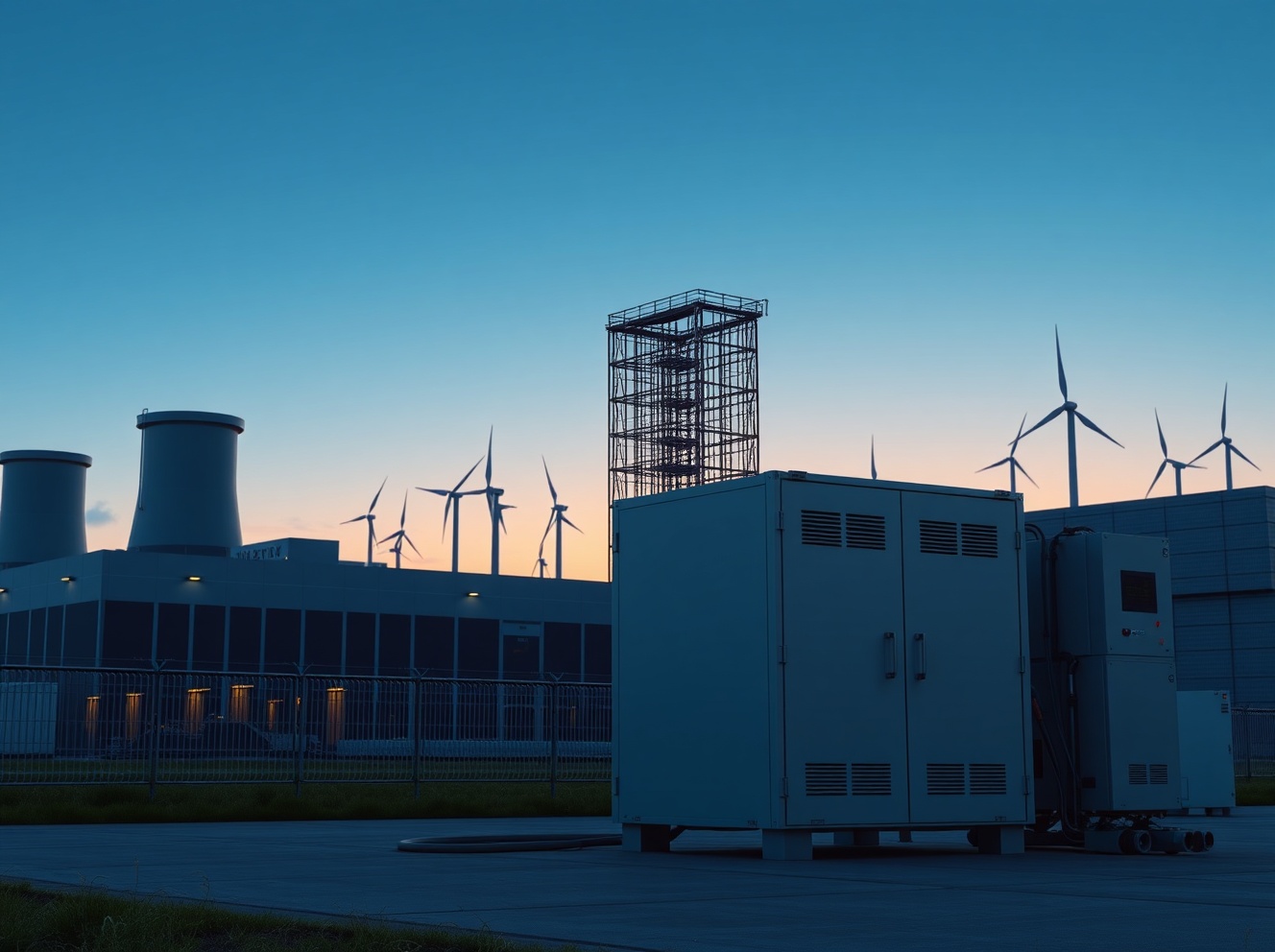
AI Investment Shifts: Why Energy Tech is the Critical Power Play for 2025
June 9, 2025 — Venture capitalists have poured over half a trillion dollars into artificial intelligence startups during the last five years, but a fundamental constraint is now redirecting smart capital. According to a new report from Sightline Climate, the most strategic AI investment today might not be in another large language model. Instead, it’s in the energy technology required to power the AI revolution itself. This shift comes as data center projects face unprecedented delays, primarily due to inadequate power access, creating a supply-demand squeeze that presents a massive opportunity for forward-thinking investors.
The AI Power Crisis: Data Center Delays and Grid Constraints
Researchers at Sightline Climate have uncovered a startling trend. They found that up to 50% of announced data center projects face potential delays. One of the primary culprits is simple: a lack of power. The firm is currently tracking 190 gigawatts worth of planned data center capacity globally. However, only 5 gigawatts are actively under construction. For context, merely 6 gigawatts of projects in Sightline’s database became operational last year. A significant 36% of projects saw their timelines slip in 2025 alone.
These delays create a domino effect. They eventually impact large enterprises and countless other companies that rely on AI for core business functions. The root cause is a historic mismatch. AI computational demands are skyrocketing, while power generation and grid infrastructure development lag. Goldman Sachs analysts project AI will drive data center power consumption up by a staggering 175% by 2030. Consequently, this supply-demand imbalance is driving electricity prices higher nationwide and creating what experts call an “unprecedented” shortage on the modern grid.
Big Tech’s Energy Arms Race: Solar, Wind, and Nuclear Bets
Major technology companies are not waiting for the grid to catch up. Firms like Google, Meta, Amazon, and Oracle are deploying capital aggressively to secure their power future. They are devoting substantial parts of their balance sheets to develop and procure power from solar, wind, and next-generation nuclear projects. Furthermore, these corporations are actively supporting emerging technologies through direct investments and partnerships with utilities.
From Batteries to Rate Structures: A Multi-Front Approach
A prime example is Form Energy’s 100-hour iron-air battery, which has attracted significant backing. Google’s recent deal to power a new data center in Minnesota illustrates the comprehensive strategy. The plan blends wind and solar generation with a massive 30 gigawatt-hour battery system from Form Energy. Critically, Google also collaborated with utility Xcel Energy to devise a novel rate structure. This partnership aims to incentivize the adoption of new technologies within the utility’s standard planning process. The U.S. Energy Information Administration forecasts nearly 65 gigawatts of battery storage capacity will be operational by the end of this year, signaling a massive market shift.
The Startup Ecosystem Powering the Solution
Dozens of innovative startups are now tackling specific facets of the power problem, creating a fertile ground for investment. Their work falls into two broad categories: hardware innovation and intelligent software management.
- Power Conversion Hardware: Companies like Amperesand, DG Matrix, and Heron Power are developing advanced power conversion technologies essential for efficient energy use in data centers.
- Grid Management Software: Startups such as Camus, GridBeyond, and Texture are building sophisticated software platforms. These systems manage the complex flow of electrons, optimize energy consumption, and integrate diverse power sources.
Investment in these battery and enabling technology companies has been smaller than the blockbuster rounds seen in pure-play AI. However, this represents a strategic opportunity. These rounds are more tractable for investors and target a fundamental bottleneck with growing demand across multiple sectors.
The Unsung Hero: Reinventing the 140-Year-Old Transformer
Energy supply is only half the battle. Once power reaches the grid or the data center, it must be managed and converted. This task falls largely on the transformer, a piece of technology that has seen minimal fundamental change for about 140 years. Most modern transformers still rely on massive iron cores wrapped in copper wire.
While reliable, this design is becoming untenable. As data center power density increases, the required power equipment footprint grows disproportionately. One expert noted that by the time server racks hit 1 megawatt in power density, the supporting power equipment will occupy twice as much space as the server rack itself. This physical constraint is driving investor interest in solid-state transformer startups. These companies use silicon-based power electronics to replace the old iron-and-copper technology. Although currently more expensive, solid-state transformers are flexible and can consolidate multiple equipment functions, promising long-term cost competitiveness.
A Hedge Against AI Volatility
The expanding investment thesis around energy tech offers a compelling diversification benefit. As the global economy electrifies transportation, heating, and heavy industry, the underlying demand for power generation, storage, and management will only intensify. Therefore, investing in energy technology provides a natural hedge against potential volatility or a downturn in the application-layer AI market. The infrastructure that powers AI will be necessary regardless of which specific AI model or company leads the market.
Conclusion
The trajectory of AI investment is undergoing a fundamental realignment. The initial wave of capital focused on algorithms and software. Now, the critical bottleneck has shifted to the physical infrastructure required to run these systems. Persistent data center delays, driven by power constraints, highlight a massive market gap. Consequently, the smartest AI investment in 2025 may not be in AI software at all. Instead, it is increasingly found in the energy technology startups and projects that build the foundational power layer for the next decade of computational growth. This pivot addresses an immediate crisis while building a portfolio position in the broader, inexorable trend of global electrification.
FAQs
Q1: Why are data center projects facing so many delays?
A1: The primary cause is limited access to sufficient electrical power. The rapid growth of AI has outpaced the capacity of existing power grids and generation facilities, leading to a supply-demand crunch that delays construction approvals and connections.
Q2: What are big tech companies doing to solve their power problems?
A2: Companies like Google and Amazon are investing directly in renewable energy projects (solar, wind, nuclear), partnering with utilities on new rate structures, funding long-duration battery startups, and designing data centers that use on-site or hybrid power systems to reduce grid dependence.
Q3: What is a solid-state transformer, and why is it important?
A3: A solid-state transformer uses silicon-based power electronics instead of traditional iron and copper. It is crucial because it is smaller, more efficient, and can handle the higher power densities required by modern AI data centers, overcoming the space limitations of 140-year-old transformer technology.
Q4: How does investing in energy tech serve as a hedge against an AI bust?
A4: Energy technology addresses a foundational need that extends beyond AI. As transportation, manufacturing, and other industries electrify, demand for advanced power generation, storage, and management will grow regardless of the fortunes of any specific AI sector, providing diversified exposure.
Q5: What are the main categories of energy tech startups attracting investment?
A5: Investment is flowing into two key areas: 1) Hardware innovators developing new power conversion and battery storage technologies, and 2) Software companies creating platforms to intelligently manage energy flow and optimize grid and data center power usage.
This post AI Investment Shifts: Why Energy Tech is the Critical Power Play for 2025 first appeared on BitcoinWorld.
You May Also Like

Gold continues to hit new highs. How to invest in gold in the crypto market?
SEC Postpones Decision on Truth Social Bitcoin ETF

