Author: TM Compiled by Tim, PANews I probably shouldn’t have posted this because it’s so insightful. Let’s delve into the world of crypto marketing: A masterclass in psychological tactics. If you don't know what psychological tactics mean? It means you've been manipulated your entire adult life. Welcome to the world of Meme Wars. Milady Example 1: Kalshi enters the crypto market Let's start with Kalshi. This isn't to spread FUD; in fact, I admire their execution. I'm just sharing my personal thoughts on the Kalshi case, though nothing here is confirmed. As the meme coin craze faded, prediction markets began to gain traction, and some influencers, including John Wang, began to push the narrative. There's no doubt that prediction markets are fairer than memecoins. Memecoins are a brutal 1-vs-1,000 game, while prediction markets at least even out the odds. But let's be honest: crypto enthusiasts simply love tokens, and they always have. So the question becomes: How to capture the memecoin market share without issuing new coins while challenging leading platforms like Polymarket? Answer: Psychological warfare This is what happened: John Wang signed with Kalshi long before the official announcement. In the previous months, social interactions and researcher citations had boosted his account's popularity. When the news finally broke, the publicity campaign was coordinated: news outlets, influencers, and "research" pages all reported the hiring of the same KOL. News reports on hiring cryptocurrency influencers This was framed as a major event, as if Kalshi had just poached an executive from Google or Apple. A simple yet clever psychological tactic: turning a personnel change into a full-scale marketing campaign. Kalshi isn’t just entering the crypto space; he’s making it look like a paradigm shift. They paid these websites, research institutions, and influencers to discuss the announcement. A personnel shakeup that caused a stir. Kalshi officially entered the crypto market with a fanfare comparable to the FAANG stock listings. A simple but effective psychological tactic: they take the announcement and spin it into a massive marketing campaign. Is John Wang the marketing manager of Kalshi? Example 2: ai16z flywheel Now, let's talk about ai16z This idea was truly genius, and it made people (including me) really look forward to the future of Crypto x AI integration. The script is this: They launched a Meme DAO around the idea of tokenizing venture capital giant a16z. Marc Andreessen himself responded, verifying the dissemination value of this meme. Suddenly, the entire industry's attention was focused on this "new AI fund." Then came the product launch: Eliza AI Agent. It quickly shot to the top of the GitHub charts. The timing was perfect, and the buzz was unstoppable. Shaw is showing off But at the bottom level, it is just a GPT wrapper. To put it bluntly, it just connects the API of the existing large language model to the front end, which is nothing groundbreaking. Who cares? Actually, no one cares. The product works, the atmosphere is right, and that's all that matters. The psychological tactics here are as much about narrative as they are about technique. Joining the ai16z DAO has become a status symbol. Like wearing a Rolex in its early days, becoming an "ai16z partner" signifies insider status, a title that attracts developers from top universities and deep-pocketed believers. The DAO’s market capitalization soared to $2.5 billion (but liquidity was laughably low). This set in motion a flywheel effect: hype attracted liquidity, liquidity attracted investors, and investors fueled more hype. But then the question arises: how to cash out without ruining the chart? Answer: You don’t. Instead, ai16z “sells” their technology to other crypto AI projects in exchange for up to 10% of the token distribution agreement and marketing support. The result? An overflow of half-baked AI projects. Support, pump-and-dump. Shaw after selling off his free crypto AI tokens The psychological tactics worked. Liquidity was drained, and now ai16z is plotting a comeback. The essence of psychological tactics The problem is: the same routine cannot succeed twice Once people figure out the gimmick, it's gone. They'll move on to the next new thing. That's why so many projects keep recycling the same old buzzwords: airdrop Roadmap Buyback flywheel Economic Model If you're listening to this, it's early days for this project. In this market, talking is out; delivering is key. Welcome to the Meme Wars Crypto marketing today is not advertising, it’s warfare. Narratives are weapons, and interactions are ammunition. Every announcement, collaboration, or controversy is a battle for mindshare. Winning projects aren’t just selling technology; they’re executing coordinated psychological tactics: weaving stories, memes, and strategies that the target audience is willing to believe. Not everyone plays by the same rules. So if you want to grab market share in this industry, you better arm yourself. Assemble your team like a Roman warlord ready to conquer. Because in crypto, it’s a war.Author: TM Compiled by Tim, PANews I probably shouldn’t have posted this because it’s so insightful. Let’s delve into the world of crypto marketing: A masterclass in psychological tactics. If you don't know what psychological tactics mean? It means you've been manipulated your entire adult life. Welcome to the world of Meme Wars. Milady Example 1: Kalshi enters the crypto market Let's start with Kalshi. This isn't to spread FUD; in fact, I admire their execution. I'm just sharing my personal thoughts on the Kalshi case, though nothing here is confirmed. As the meme coin craze faded, prediction markets began to gain traction, and some influencers, including John Wang, began to push the narrative. There's no doubt that prediction markets are fairer than memecoins. Memecoins are a brutal 1-vs-1,000 game, while prediction markets at least even out the odds. But let's be honest: crypto enthusiasts simply love tokens, and they always have. So the question becomes: How to capture the memecoin market share without issuing new coins while challenging leading platforms like Polymarket? Answer: Psychological warfare This is what happened: John Wang signed with Kalshi long before the official announcement. In the previous months, social interactions and researcher citations had boosted his account's popularity. When the news finally broke, the publicity campaign was coordinated: news outlets, influencers, and "research" pages all reported the hiring of the same KOL. News reports on hiring cryptocurrency influencers This was framed as a major event, as if Kalshi had just poached an executive from Google or Apple. A simple yet clever psychological tactic: turning a personnel change into a full-scale marketing campaign. Kalshi isn’t just entering the crypto space; he’s making it look like a paradigm shift. They paid these websites, research institutions, and influencers to discuss the announcement. A personnel shakeup that caused a stir. Kalshi officially entered the crypto market with a fanfare comparable to the FAANG stock listings. A simple but effective psychological tactic: they take the announcement and spin it into a massive marketing campaign. Is John Wang the marketing manager of Kalshi? Example 2: ai16z flywheel Now, let's talk about ai16z This idea was truly genius, and it made people (including me) really look forward to the future of Crypto x AI integration. The script is this: They launched a Meme DAO around the idea of tokenizing venture capital giant a16z. Marc Andreessen himself responded, verifying the dissemination value of this meme. Suddenly, the entire industry's attention was focused on this "new AI fund." Then came the product launch: Eliza AI Agent. It quickly shot to the top of the GitHub charts. The timing was perfect, and the buzz was unstoppable. Shaw is showing off But at the bottom level, it is just a GPT wrapper. To put it bluntly, it just connects the API of the existing large language model to the front end, which is nothing groundbreaking. Who cares? Actually, no one cares. The product works, the atmosphere is right, and that's all that matters. The psychological tactics here are as much about narrative as they are about technique. Joining the ai16z DAO has become a status symbol. Like wearing a Rolex in its early days, becoming an "ai16z partner" signifies insider status, a title that attracts developers from top universities and deep-pocketed believers. The DAO’s market capitalization soared to $2.5 billion (but liquidity was laughably low). This set in motion a flywheel effect: hype attracted liquidity, liquidity attracted investors, and investors fueled more hype. But then the question arises: how to cash out without ruining the chart? Answer: You don’t. Instead, ai16z “sells” their technology to other crypto AI projects in exchange for up to 10% of the token distribution agreement and marketing support. The result? An overflow of half-baked AI projects. Support, pump-and-dump. Shaw after selling off his free crypto AI tokens The psychological tactics worked. Liquidity was drained, and now ai16z is plotting a comeback. The essence of psychological tactics The problem is: the same routine cannot succeed twice Once people figure out the gimmick, it's gone. They'll move on to the next new thing. That's why so many projects keep recycling the same old buzzwords: airdrop Roadmap Buyback flywheel Economic Model If you're listening to this, it's early days for this project. In this market, talking is out; delivering is key. Welcome to the Meme Wars Crypto marketing today is not advertising, it’s warfare. Narratives are weapons, and interactions are ammunition. Every announcement, collaboration, or controversy is a battle for mindshare. Winning projects aren’t just selling technology; they’re executing coordinated psychological tactics: weaving stories, memes, and strategies that the target audience is willing to believe. Not everyone plays by the same rules. So if you want to grab market share in this industry, you better arm yourself. Assemble your team like a Roman warlord ready to conquer. Because in crypto, it’s a war.

Uncovering the Secrets Behind the Popularity of Kalshi and ai16z: The "Psychological Tactics" of the Crypto Market

2025/09/01 18:35
5 min read

Author: TM

Compiled by Tim, PANews

I probably shouldn’t have posted this because it’s so insightful. Let’s delve into the world of crypto marketing: A masterclass in psychological tactics.

If you don't know what psychological tactics mean? It means you've been manipulated your entire adult life.

Welcome to the world of Meme Wars.

 Milady

Example 1: Kalshi enters the crypto market

Let's start with Kalshi. This isn't to spread FUD; in fact, I admire their execution. I'm just sharing my personal thoughts on the Kalshi case, though nothing here is confirmed.

As the meme coin craze faded, prediction markets began to gain traction, and some influencers, including John Wang, began to push the narrative.

There's no doubt that prediction markets are fairer than memecoins. Memecoins are a brutal 1-vs-1,000 game, while prediction markets at least even out the odds. But let's be honest: crypto enthusiasts simply love tokens, and they always have.

So the question becomes: How to capture the memecoin market share without issuing new coins while challenging leading platforms like Polymarket?

Answer: Psychological warfare

This is what happened:

  • John Wang signed with Kalshi long before the official announcement.
  • In the previous months, social interactions and researcher citations had boosted his account's popularity.
  • When the news finally broke, the publicity campaign was coordinated: news outlets, influencers, and "research" pages all reported the hiring of the same KOL.
 News reports on hiring cryptocurrency influencers

This was framed as a major event, as if Kalshi had just poached an executive from Google or Apple.

A simple yet clever psychological tactic: turning a personnel change into a full-scale marketing campaign.

Kalshi isn’t just entering the crypto space; he’s making it look like a paradigm shift.

They paid these websites, research institutions, and influencers to discuss the announcement. A personnel shakeup that caused a stir. Kalshi officially entered the crypto market with a fanfare comparable to the FAANG stock listings.

A simple but effective psychological tactic: they take the announcement and spin it into a massive marketing campaign.
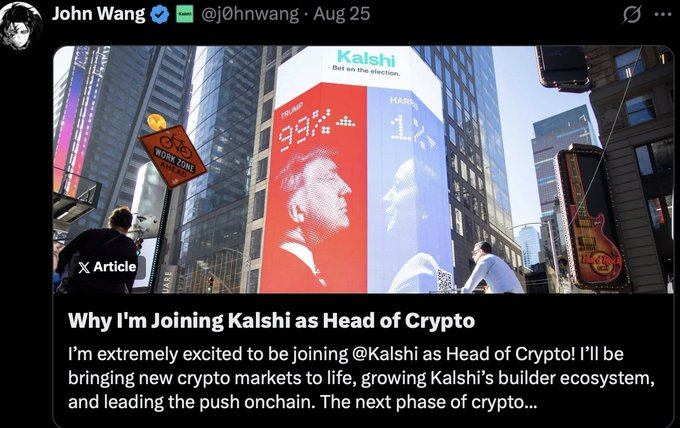
 Is John Wang the marketing manager of Kalshi?

Example 2: ai16z flywheel

Now, let's talk about ai16z

This idea was truly genius, and it made people (including me) really look forward to the future of Crypto x AI integration.

The script is this:

  • They launched a Meme DAO around the idea of tokenizing venture capital giant a16z.
  • Marc Andreessen himself responded, verifying the dissemination value of this meme.
  • Suddenly, the entire industry's attention was focused on this "new AI fund."
  • Then came the product launch: Eliza AI Agent.

It quickly shot to the top of the GitHub charts. The timing was perfect, and the buzz was unstoppable.
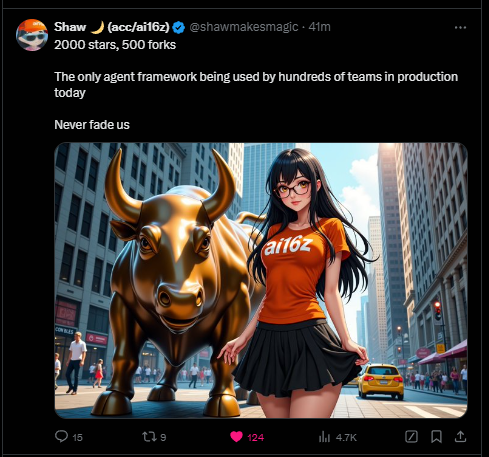
 Shaw is showing off

But at the bottom level, it is just a GPT wrapper. To put it bluntly, it just connects the API of the existing large language model to the front end, which is nothing groundbreaking.

Who cares? Actually, no one cares. The product works, the atmosphere is right, and that's all that matters.

The psychological tactics here are as much about narrative as they are about technique.

Joining the ai16z DAO has become a status symbol. Like wearing a Rolex in its early days, becoming an "ai16z partner" signifies insider status, a title that attracts developers from top universities and deep-pocketed believers.

The DAO’s market capitalization soared to $2.5 billion (but liquidity was laughably low). This set in motion a flywheel effect: hype attracted liquidity, liquidity attracted investors, and investors fueled more hype.

But then the question arises: how to cash out without ruining the chart?

Answer: You don’t. Instead, ai16z “sells” their technology to other crypto AI projects in exchange for up to 10% of the token distribution agreement and marketing support.

The result? An overflow of half-baked AI projects. Support, pump-and-dump.

 Shaw after selling off his free crypto AI tokens

The psychological tactics worked. Liquidity was drained, and now ai16z is plotting a comeback.

The essence of psychological tactics

The problem is: the same routine cannot succeed twice

Once people figure out the gimmick, it's gone. They'll move on to the next new thing. That's why so many projects keep recycling the same old buzzwords:

  • airdrop
  • Roadmap
  • Buyback
  • flywheel
  • Economic Model

If you're listening to this, it's early days for this project. In this market, talking is out; delivering is key.

Welcome to the Meme Wars

Crypto marketing today is not advertising, it’s warfare.

Narratives are weapons, and interactions are ammunition. Every announcement, collaboration, or controversy is a battle for mindshare.

Winning projects aren’t just selling technology; they’re executing coordinated psychological tactics: weaving stories, memes, and strategies that the target audience is willing to believe.

Not everyone plays by the same rules.

So if you want to grab market share in this industry, you better arm yourself. Assemble your team like a Roman warlord ready to conquer.

Because in crypto, it’s a war.

Market Opportunity
MemeCore Logo
MemeCore Price(M)
$1.54317
$1.54317$1.54317
+1.74%
USD
MemeCore (M) Live Price Chart
Disclaimer: The articles reposted on this site are sourced from public platforms and are provided for informational purposes only. They do not necessarily reflect the views of MEXC. All rights remain with the original authors. If you believe any content infringes on third-party rights, please contact service@support.mexc.com for removal. MEXC makes no guarantees regarding the accuracy, completeness, or timeliness of the content and is not responsible for any actions taken based on the information provided. The content does not constitute financial, legal, or other professional advice, nor should it be considered a recommendation or endorsement by MEXC.

You May Also Like

Polygon Tops RWA Rankings With $1.1B in Tokenized Assets

Polygon Tops RWA Rankings With $1.1B in Tokenized Assets

The post Polygon Tops RWA Rankings With $1.1B in Tokenized Assets appeared on BitcoinEthereumNews.com. Key Notes A new report from Dune and RWA.xyz highlights Polygon’s role in the growing RWA sector. Polygon PoS currently holds $1.13 billion in RWA Total Value Locked (TVL) across 269 assets. The network holds a 62% market share of tokenized global bonds, driven by European money market funds. The Polygon POL $0.25 24h volatility: 1.4% Market cap: $2.64 B Vol. 24h: $106.17 M network is securing a significant position in the rapidly growing tokenization space, now holding over $1.13 billion in total value locked (TVL) from Real World Assets (RWAs). This development comes as the network continues to evolve, recently deploying its major “Rio” upgrade on the Amoy testnet to enhance future scaling capabilities. This information comes from a new joint report on the state of the RWA market published on Sept. 17 by blockchain analytics firm Dune and data platform RWA.xyz. The focus on RWAs is intensifying across the industry, coinciding with events like the ongoing Real-World Asset Summit in New York. Sandeep Nailwal, CEO of the Polygon Foundation, highlighted the findings via a post on X, noting that the TVL is spread across 269 assets and 2,900 holders on the Polygon PoS chain. The Dune and https://t.co/W6WSFlHoQF report on RWA is out and it shows that RWA is happening on Polygon. Here are a few highlights: – Leading in Global Bonds: Polygon holds 62% share of tokenized global bonds (driven by Spiko’s euro MMF and Cashlink euro issues) – Spiko U.S.… — Sandeep | CEO, Polygon Foundation (※,※) (@sandeepnailwal) September 17, 2025 Key Trends From the 2025 RWA Report The joint publication, titled “RWA REPORT 2025,” offers a comprehensive look into the tokenized asset landscape, which it states has grown 224% since the start of 2024. The report identifies several key trends driving this expansion. According to…
Share
BitcoinEthereumNews2025/09/18 00:40
BetFury is at SBC Summit Lisbon 2025: Affiliate Growth in Focus

BetFury is at SBC Summit Lisbon 2025: Affiliate Growth in Focus

The post BetFury is at SBC Summit Lisbon 2025: Affiliate Growth in Focus appeared on BitcoinEthereumNews.com. Press Releases are sponsored content and not a part of Finbold’s editorial content. For a full disclaimer, please . Crypto assets/products can be highly risky. Never invest unless you’re prepared to lose all the money you invest. Curacao, Curacao, September 17th, 2025, Chainwire BetFury steps onto the stage of SBC Summit Lisbon 2025 — one of the key gatherings in the iGaming calendar. From 16 to 18 September, the platform showcases its brand strength, deepens affiliate connections, and outlines its plans for global expansion. BetFury continues to play a role in the evolving crypto and iGaming partnership landscape. BetFury’s Participation at SBC Summit The SBC Summit gathers over 25,000 delegates, including 6,000+ affiliates — the largest concentration of affiliate professionals in iGaming. For BetFury, this isn’t just visibility, it’s a strategic chance to present its Affiliate Program to the right audience. Face-to-face meetings, dedicated networking zones, and affiliate-focused sessions make Lisbon the ideal ground to build new partnerships and strengthen existing ones. BetFury Meets Affiliate Leaders at its Massive Stand BetFury arrives at the summit with a massive stand placed right in the center of the Affiliate zone. Designed as a true meeting hub, the stand combines large LED screens, a sleek interior, and the best coffee at the event — but its core mission goes far beyond style. Here, BetFury’s team welcomes partners and affiliates to discuss tailored collaborations, explore growth opportunities across multiple GEOs, and expand its global Affiliate Program. To make the experience even more engaging, the stand also hosts: Affiliate Lottery — a branded drum filled with exclusive offers and personalized deals for affiliates. Merch Kits — premium giveaways to boost brand recognition and leave visitors with a lasting conference memory. Besides, at SBC Summit Lisbon, attendees have a chance to meet the BetFury team along…
Share
BitcoinEthereumNews2025/09/18 01:20
Tether Advances Gold Strategy With $150 Million Stake in Gold.com

Tether Advances Gold Strategy With $150 Million Stake in Gold.com

TLDR Tether buys $150M Gold.com stake to expand digital gold infrastructure Partnership links physical gold supply with blockchain settlement rails XAUT token distribution
Share
Coincentral2026/02/06 10:09