BitcoinWorld Altcoin Season Index Plunges: What This Crucial Drop to 46 Means The cryptocurrency market is a dynamic space, constantly shifting between periods of Bitcoin dominance and altcoin surges. Recently, the Altcoin Season Index has taken a notable dip, falling three points to a score of 46. This shift is sparking discussions among investors and analysts alike. What exactly does this decline signify for your crypto portfolio? Are we truly heading into a ‘Bitcoin Season’? Let’s unpack the implications of this crucial movement and understand what a score of 46 means for the future of altcoins. Understanding the Altcoin Season Index: How Is It Measured? To truly grasp the significance of the recent drop, it’s essential to understand how the Altcoin Season Index works. CoinMarketCap, a trusted name in crypto data, provides this valuable metric. It’s not just a random number; it’s a carefully calculated indicator designed to give us a snapshot of the market’s sentiment towards alternative cryptocurrencies compared to Bitcoin. The Calculation: The index evaluates the price performance of the top 100 cryptocurrencies by market capitalization. Exclusions: Stablecoins and wrapped coins are intentionally left out to ensure the index reflects true market sentiment for volatile assets. The Timeframe: Performance is measured over the past 90 days, providing a medium-term view rather than daily fluctuations. Defining a Season: An altcoin season is officially declared if 75% or more of these top 100 coins have outperformed Bitcoin. If not, it’s considered a Bitcoin season. A score closer to 100 strongly indicates an altcoin season, suggesting that a broad range of altcoins are seeing significant gains relative to Bitcoin. Conversely, a lower score points towards Bitcoin’s dominance. Why Did the Altcoin Season Index Drop to 46? The recent three-point fall in the Altcoin Season Index to 46 suggests a notable shift in market dynamics. This decline doesn’t happen in a vacuum; it reflects a period where a significant number of the top 100 altcoins have underperformed Bitcoin over the last 90 days. While the exact reasons can be multifaceted, several factors often contribute to such movements: Bitcoin’s Strength: Often, when Bitcoin experiences a strong rally, capital tends to flow from altcoins into Bitcoin, causing altcoins to lag. Macroeconomic Factors: Broader economic trends or regulatory news can impact the entire crypto market, but altcoins, being generally riskier, might see larger pullbacks. Specific Altcoin Performance: If several major altcoins within the top 100 face project-specific challenges or lack significant development news, their underperformance can collectively drag down the index. A score of 46 places us firmly outside of an ‘altcoin season’ (which requires 75 or higher). It indicates a period of relative neutrality or even slight Bitcoin dominance, where altcoins are generally struggling to keep pace. Navigating Market Shifts: What Does a 46 Mean for Your Portfolio? When the Altcoin Season Index hovers around 46, it signals a time for careful consideration rather than panic. This isn’t a strong ‘Bitcoin season’ either, as that would typically be a much lower score. Instead, it suggests a more balanced, perhaps uncertain, market environment where capital isn’t overwhelmingly favoring one side. For savvy investors, this period presents both challenges and opportunities. Re-evaluate Your Holdings: It’s a good moment to assess your altcoin positions. Are they still strong projects with solid fundamentals? Consider Diversification: While altcoins might be struggling, Bitcoin could be consolidating or preparing for its next move. A balanced portfolio can help mitigate risks. Focus on Fundamentals: During periods of uncertainty, projects with clear use cases, strong development teams, and active communities tend to weather the storm better. Risk Management: This environment underscores the importance of not over-allocating to speculative altcoins. Remember, market cycles are natural. A dip in the index doesn’t mean altcoins are doomed forever; it simply reflects the current performance trend. Understanding these trends helps you make more informed decisions. Is an Altcoin Resurgence Still Possible? Despite the recent dip in the Altcoin Season Index, the potential for an altcoin resurgence is always present in the volatile crypto market. Historically, crypto markets move in cycles, and periods of Bitcoin dominance are often followed by altcoin rallies once Bitcoin consolidates or reaches new highs. What could trigger such a shift? Bitcoin Stability: A stable Bitcoin price often allows capital to flow into altcoins as investors seek higher returns. Technological Breakthroughs: Major upgrades or significant adoption news for key altcoin projects can ignite rallies. New Narratives: Emerging trends like GameFi, NFTs, or specific Layer-2 solutions can create new interest and drive altcoin performance. While the index currently sits at 46, market sentiment can change rapidly. Staying informed about project developments and broader market trends is crucial. The crypto landscape is constantly evolving, and yesterday’s underperformers can quickly become tomorrow’s stars. In conclusion, the fall of the Altcoin Season Index to 46 is a clear indicator that altcoins are currently facing headwinds against Bitcoin. This crucial shift encourages investors to practice caution, re-evaluate their strategies, and focus on robust projects. While an altcoin season isn’t imminent based on this metric, the dynamic nature of crypto means vigilance and informed decision-making remain paramount. Keep an eye on the index and broader market signals to navigate these fascinating shifts effectively. Frequently Asked Questions About the Altcoin Season Index Q1: What exactly is the Altcoin Season Index? A1: The Altcoin Season Index is a metric provided by CoinMarketCap that indicates whether altcoins are generally outperforming Bitcoin. It’s calculated by comparing the performance of the top 100 cryptocurrencies (excluding stablecoins and wrapped coins) against Bitcoin over the past 90 days. Q2: How is an Altcoin Season officially declared? A2: An altcoin season is declared when 75% or more of the top 100 altcoins have outperformed Bitcoin during the preceding 90-day period. Otherwise, it is considered a Bitcoin season. Q3: What does a score of 46 on the Altcoin Season Index signify? A3: A score of 46 means that less than 75% of the top 100 altcoins have outperformed Bitcoin over the last 90 days. It indicates that we are currently not in an altcoin season and suggests a period of relative neutrality or slight Bitcoin dominance. Q4: Should I sell all my altcoins if the index falls? A4: Not necessarily. A falling Altcoin Season Index suggests altcoins are underperforming Bitcoin, but it doesn’t mean they won’t recover. It’s a signal to re-evaluate your portfolio, focus on strong fundamentals, and practice good risk management. Market cycles are common, and a dip can be a temporary phase. Q5: What factors can cause the Altcoin Season Index to fall? A5: The index can fall due to several reasons, including strong Bitcoin rallies that draw capital away from altcoins, broader macroeconomic uncertainties, or collective underperformance of several major altcoin projects due to lack of development or specific challenges. Did you find this analysis of the Altcoin Season Index insightful? Share this article with your fellow crypto enthusiasts and help them stay informed about crucial market trends. Your shares help our community grow! To learn more about the latest crypto market trends, explore our article on key developments shaping altcoins and Bitcoin market sentiment. This post Altcoin Season Index Plunges: What This Crucial Drop to 46 Means first appeared on BitcoinWorld and is written by Editorial TeamBitcoinWorld Altcoin Season Index Plunges: What This Crucial Drop to 46 Means The cryptocurrency market is a dynamic space, constantly shifting between periods of Bitcoin dominance and altcoin surges. Recently, the Altcoin Season Index has taken a notable dip, falling three points to a score of 46. This shift is sparking discussions among investors and analysts alike. What exactly does this decline signify for your crypto portfolio? Are we truly heading into a ‘Bitcoin Season’? Let’s unpack the implications of this crucial movement and understand what a score of 46 means for the future of altcoins. Understanding the Altcoin Season Index: How Is It Measured? To truly grasp the significance of the recent drop, it’s essential to understand how the Altcoin Season Index works. CoinMarketCap, a trusted name in crypto data, provides this valuable metric. It’s not just a random number; it’s a carefully calculated indicator designed to give us a snapshot of the market’s sentiment towards alternative cryptocurrencies compared to Bitcoin. The Calculation: The index evaluates the price performance of the top 100 cryptocurrencies by market capitalization. Exclusions: Stablecoins and wrapped coins are intentionally left out to ensure the index reflects true market sentiment for volatile assets. The Timeframe: Performance is measured over the past 90 days, providing a medium-term view rather than daily fluctuations. Defining a Season: An altcoin season is officially declared if 75% or more of these top 100 coins have outperformed Bitcoin. If not, it’s considered a Bitcoin season. A score closer to 100 strongly indicates an altcoin season, suggesting that a broad range of altcoins are seeing significant gains relative to Bitcoin. Conversely, a lower score points towards Bitcoin’s dominance. Why Did the Altcoin Season Index Drop to 46? The recent three-point fall in the Altcoin Season Index to 46 suggests a notable shift in market dynamics. This decline doesn’t happen in a vacuum; it reflects a period where a significant number of the top 100 altcoins have underperformed Bitcoin over the last 90 days. While the exact reasons can be multifaceted, several factors often contribute to such movements: Bitcoin’s Strength: Often, when Bitcoin experiences a strong rally, capital tends to flow from altcoins into Bitcoin, causing altcoins to lag. Macroeconomic Factors: Broader economic trends or regulatory news can impact the entire crypto market, but altcoins, being generally riskier, might see larger pullbacks. Specific Altcoin Performance: If several major altcoins within the top 100 face project-specific challenges or lack significant development news, their underperformance can collectively drag down the index. A score of 46 places us firmly outside of an ‘altcoin season’ (which requires 75 or higher). It indicates a period of relative neutrality or even slight Bitcoin dominance, where altcoins are generally struggling to keep pace. Navigating Market Shifts: What Does a 46 Mean for Your Portfolio? When the Altcoin Season Index hovers around 46, it signals a time for careful consideration rather than panic. This isn’t a strong ‘Bitcoin season’ either, as that would typically be a much lower score. Instead, it suggests a more balanced, perhaps uncertain, market environment where capital isn’t overwhelmingly favoring one side. For savvy investors, this period presents both challenges and opportunities. Re-evaluate Your Holdings: It’s a good moment to assess your altcoin positions. Are they still strong projects with solid fundamentals? Consider Diversification: While altcoins might be struggling, Bitcoin could be consolidating or preparing for its next move. A balanced portfolio can help mitigate risks. Focus on Fundamentals: During periods of uncertainty, projects with clear use cases, strong development teams, and active communities tend to weather the storm better. Risk Management: This environment underscores the importance of not over-allocating to speculative altcoins. Remember, market cycles are natural. A dip in the index doesn’t mean altcoins are doomed forever; it simply reflects the current performance trend. Understanding these trends helps you make more informed decisions. Is an Altcoin Resurgence Still Possible? Despite the recent dip in the Altcoin Season Index, the potential for an altcoin resurgence is always present in the volatile crypto market. Historically, crypto markets move in cycles, and periods of Bitcoin dominance are often followed by altcoin rallies once Bitcoin consolidates or reaches new highs. What could trigger such a shift? Bitcoin Stability: A stable Bitcoin price often allows capital to flow into altcoins as investors seek higher returns. Technological Breakthroughs: Major upgrades or significant adoption news for key altcoin projects can ignite rallies. New Narratives: Emerging trends like GameFi, NFTs, or specific Layer-2 solutions can create new interest and drive altcoin performance. While the index currently sits at 46, market sentiment can change rapidly. Staying informed about project developments and broader market trends is crucial. The crypto landscape is constantly evolving, and yesterday’s underperformers can quickly become tomorrow’s stars. In conclusion, the fall of the Altcoin Season Index to 46 is a clear indicator that altcoins are currently facing headwinds against Bitcoin. This crucial shift encourages investors to practice caution, re-evaluate their strategies, and focus on robust projects. While an altcoin season isn’t imminent based on this metric, the dynamic nature of crypto means vigilance and informed decision-making remain paramount. Keep an eye on the index and broader market signals to navigate these fascinating shifts effectively. Frequently Asked Questions About the Altcoin Season Index Q1: What exactly is the Altcoin Season Index? A1: The Altcoin Season Index is a metric provided by CoinMarketCap that indicates whether altcoins are generally outperforming Bitcoin. It’s calculated by comparing the performance of the top 100 cryptocurrencies (excluding stablecoins and wrapped coins) against Bitcoin over the past 90 days. Q2: How is an Altcoin Season officially declared? A2: An altcoin season is declared when 75% or more of the top 100 altcoins have outperformed Bitcoin during the preceding 90-day period. Otherwise, it is considered a Bitcoin season. Q3: What does a score of 46 on the Altcoin Season Index signify? A3: A score of 46 means that less than 75% of the top 100 altcoins have outperformed Bitcoin over the last 90 days. It indicates that we are currently not in an altcoin season and suggests a period of relative neutrality or slight Bitcoin dominance. Q4: Should I sell all my altcoins if the index falls? A4: Not necessarily. A falling Altcoin Season Index suggests altcoins are underperforming Bitcoin, but it doesn’t mean they won’t recover. It’s a signal to re-evaluate your portfolio, focus on strong fundamentals, and practice good risk management. Market cycles are common, and a dip can be a temporary phase. Q5: What factors can cause the Altcoin Season Index to fall? A5: The index can fall due to several reasons, including strong Bitcoin rallies that draw capital away from altcoins, broader macroeconomic uncertainties, or collective underperformance of several major altcoin projects due to lack of development or specific challenges. Did you find this analysis of the Altcoin Season Index insightful? Share this article with your fellow crypto enthusiasts and help them stay informed about crucial market trends. Your shares help our community grow! To learn more about the latest crypto market trends, explore our article on key developments shaping altcoins and Bitcoin market sentiment. This post Altcoin Season Index Plunges: What This Crucial Drop to 46 Means first appeared on BitcoinWorld and is written by Editorial Team

Altcoin Season Index Plunges: What This Crucial Drop to 46 Means

7 min read

BitcoinWorld

Altcoin Season Index Plunges: What This Crucial Drop to 46 Means

The cryptocurrency market is a dynamic space, constantly shifting between periods of Bitcoin dominance and altcoin surges. Recently, the Altcoin Season Index has taken a notable dip, falling three points to a score of 46. This shift is sparking discussions among investors and analysts alike.

What exactly does this decline signify for your crypto portfolio? Are we truly heading into a ‘Bitcoin Season’? Let’s unpack the implications of this crucial movement and understand what a score of 46 means for the future of altcoins.

Understanding the Altcoin Season Index: How Is It Measured?

To truly grasp the significance of the recent drop, it’s essential to understand how the Altcoin Season Index works. CoinMarketCap, a trusted name in crypto data, provides this valuable metric. It’s not just a random number; it’s a carefully calculated indicator designed to give us a snapshot of the market’s sentiment towards alternative cryptocurrencies compared to Bitcoin.

  • The Calculation: The index evaluates the price performance of the top 100 cryptocurrencies by market capitalization.
  • Exclusions: Stablecoins and wrapped coins are intentionally left out to ensure the index reflects true market sentiment for volatile assets.
  • The Timeframe: Performance is measured over the past 90 days, providing a medium-term view rather than daily fluctuations.
  • Defining a Season: An altcoin season is officially declared if 75% or more of these top 100 coins have outperformed Bitcoin. If not, it’s considered a Bitcoin season.

A score closer to 100 strongly indicates an altcoin season, suggesting that a broad range of altcoins are seeing significant gains relative to Bitcoin. Conversely, a lower score points towards Bitcoin’s dominance.

Why Did the Altcoin Season Index Drop to 46?

The recent three-point fall in the Altcoin Season Index to 46 suggests a notable shift in market dynamics. This decline doesn’t happen in a vacuum; it reflects a period where a significant number of the top 100 altcoins have underperformed Bitcoin over the last 90 days. While the exact reasons can be multifaceted, several factors often contribute to such movements:

  • Bitcoin’s Strength: Often, when Bitcoin experiences a strong rally, capital tends to flow from altcoins into Bitcoin, causing altcoins to lag.
  • Macroeconomic Factors: Broader economic trends or regulatory news can impact the entire crypto market, but altcoins, being generally riskier, might see larger pullbacks.
  • Specific Altcoin Performance: If several major altcoins within the top 100 face project-specific challenges or lack significant development news, their underperformance can collectively drag down the index.

A score of 46 places us firmly outside of an ‘altcoin season’ (which requires 75 or higher). It indicates a period of relative neutrality or even slight Bitcoin dominance, where altcoins are generally struggling to keep pace.

When the Altcoin Season Index hovers around 46, it signals a time for careful consideration rather than panic. This isn’t a strong ‘Bitcoin season’ either, as that would typically be a much lower score. Instead, it suggests a more balanced, perhaps uncertain, market environment where capital isn’t overwhelmingly favoring one side. For savvy investors, this period presents both challenges and opportunities.

  • Re-evaluate Your Holdings: It’s a good moment to assess your altcoin positions. Are they still strong projects with solid fundamentals?
  • Consider Diversification: While altcoins might be struggling, Bitcoin could be consolidating or preparing for its next move. A balanced portfolio can help mitigate risks.
  • Focus on Fundamentals: During periods of uncertainty, projects with clear use cases, strong development teams, and active communities tend to weather the storm better.
  • Risk Management: This environment underscores the importance of not over-allocating to speculative altcoins.

Remember, market cycles are natural. A dip in the index doesn’t mean altcoins are doomed forever; it simply reflects the current performance trend. Understanding these trends helps you make more informed decisions.

Is an Altcoin Resurgence Still Possible?

Despite the recent dip in the Altcoin Season Index, the potential for an altcoin resurgence is always present in the volatile crypto market. Historically, crypto markets move in cycles, and periods of Bitcoin dominance are often followed by altcoin rallies once Bitcoin consolidates or reaches new highs. What could trigger such a shift?

  • Bitcoin Stability: A stable Bitcoin price often allows capital to flow into altcoins as investors seek higher returns.
  • Technological Breakthroughs: Major upgrades or significant adoption news for key altcoin projects can ignite rallies.
  • New Narratives: Emerging trends like GameFi, NFTs, or specific Layer-2 solutions can create new interest and drive altcoin performance.

While the index currently sits at 46, market sentiment can change rapidly. Staying informed about project developments and broader market trends is crucial. The crypto landscape is constantly evolving, and yesterday’s underperformers can quickly become tomorrow’s stars.

In conclusion, the fall of the Altcoin Season Index to 46 is a clear indicator that altcoins are currently facing headwinds against Bitcoin. This crucial shift encourages investors to practice caution, re-evaluate their strategies, and focus on robust projects. While an altcoin season isn’t imminent based on this metric, the dynamic nature of crypto means vigilance and informed decision-making remain paramount. Keep an eye on the index and broader market signals to navigate these fascinating shifts effectively.

Frequently Asked Questions About the Altcoin Season Index

Q1: What exactly is the Altcoin Season Index?
A1: The Altcoin Season Index is a metric provided by CoinMarketCap that indicates whether altcoins are generally outperforming Bitcoin. It’s calculated by comparing the performance of the top 100 cryptocurrencies (excluding stablecoins and wrapped coins) against Bitcoin over the past 90 days.

Q2: How is an Altcoin Season officially declared?
A2: An altcoin season is declared when 75% or more of the top 100 altcoins have outperformed Bitcoin during the preceding 90-day period. Otherwise, it is considered a Bitcoin season.

Q3: What does a score of 46 on the Altcoin Season Index signify?
A3: A score of 46 means that less than 75% of the top 100 altcoins have outperformed Bitcoin over the last 90 days. It indicates that we are currently not in an altcoin season and suggests a period of relative neutrality or slight Bitcoin dominance.

Q4: Should I sell all my altcoins if the index falls?
A4: Not necessarily. A falling Altcoin Season Index suggests altcoins are underperforming Bitcoin, but it doesn’t mean they won’t recover. It’s a signal to re-evaluate your portfolio, focus on strong fundamentals, and practice good risk management. Market cycles are common, and a dip can be a temporary phase.

Q5: What factors can cause the Altcoin Season Index to fall?
A5: The index can fall due to several reasons, including strong Bitcoin rallies that draw capital away from altcoins, broader macroeconomic uncertainties, or collective underperformance of several major altcoin projects due to lack of development or specific challenges.

Did you find this analysis of the Altcoin Season Index insightful? Share this article with your fellow crypto enthusiasts and help them stay informed about crucial market trends. Your shares help our community grow!

To learn more about the latest crypto market trends, explore our article on key developments shaping altcoins and Bitcoin market sentiment.

This post Altcoin Season Index Plunges: What This Crucial Drop to 46 Means first appeared on BitcoinWorld and is written by Editorial Team

Market Opportunity
Threshold Logo
Threshold Price(T)
$0.008126
$0.008126$0.008126
-0.09%
USD
Threshold (T) Live Price Chart
Disclaimer: The articles reposted on this site are sourced from public platforms and are provided for informational purposes only. They do not necessarily reflect the views of MEXC. All rights remain with the original authors. If you believe any content infringes on third-party rights, please contact service@support.mexc.com for removal. MEXC makes no guarantees regarding the accuracy, completeness, or timeliness of the content and is not responsible for any actions taken based on the information provided. The content does not constitute financial, legal, or other professional advice, nor should it be considered a recommendation or endorsement by MEXC.

You May Also Like

Three dormant wallets, suspected to belong to the same entity, purchased 5,970 ETH eight hours ago.
Three dormant wallets, suspected to belong to the same entity, purchased 5,970 ETH eight hours ago.

PANews reported on February 4 that, according to Lookonchain monitoring, three wallets that had been dormant for four years (likely controlled by the same entity
Share
PANews2026/02/04 11:36
NVIDIA Stock Price Analysis as OpenAI Issues Concerns About its Chips

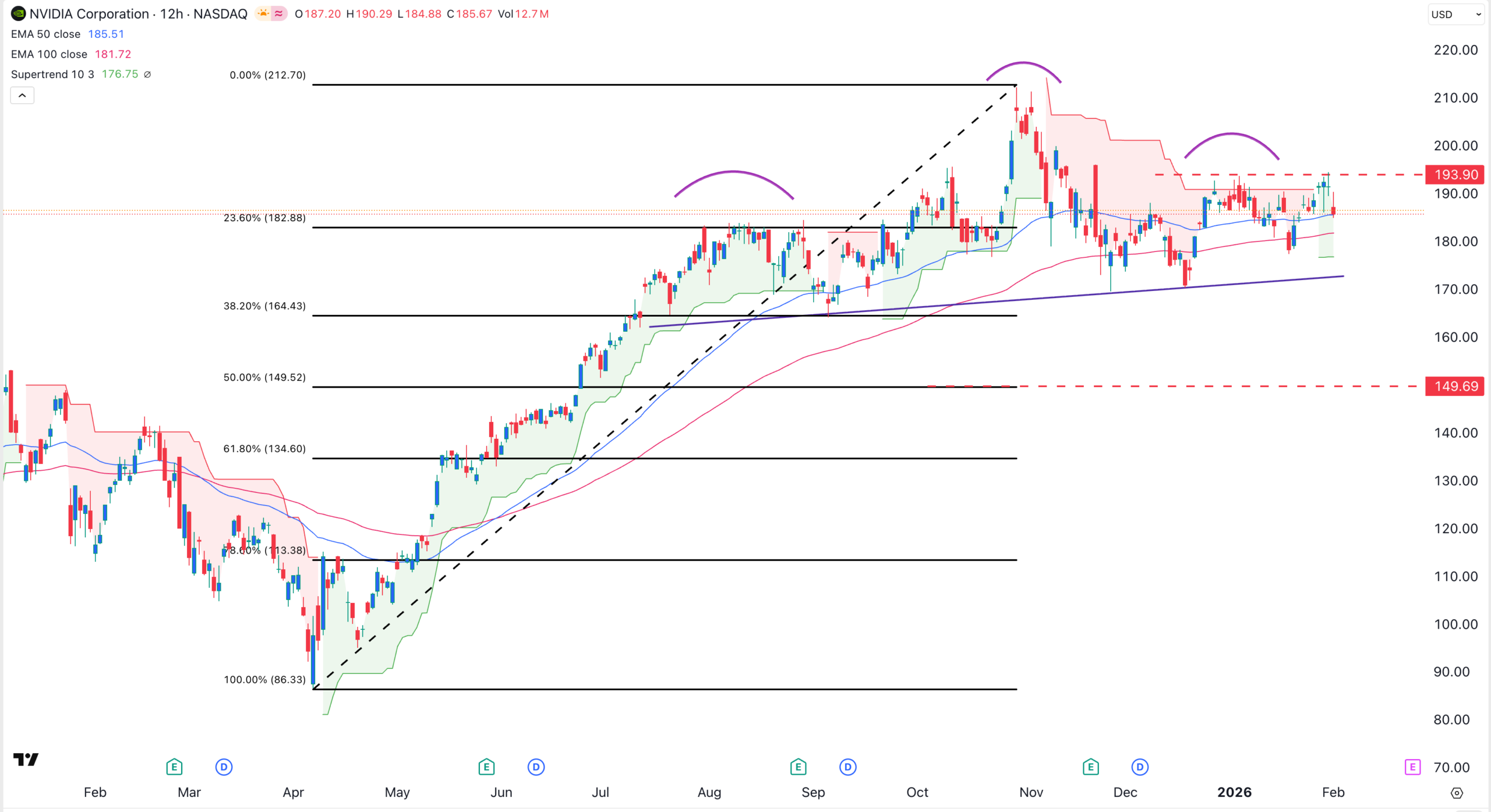
NVIDIA Stock Price Analysis as OpenAI Issues Concerns About its Chips

Key Insights NVIDIA stock started the week in the red. It crashed by over 2%. Meanwhile, the S&P 500, Dow Jones, and Nasdaq 100 moved close to their all-time highs
Share
Themarketperiodical2026/02/04 11:27
Ondo Finance Launches USDY Yieldcoin on Stellar, Bringing Tokenized U.S. Treasuries to Users

Ondo Finance Launches USDY Yieldcoin on Stellar, Bringing Tokenized U.S. Treasuries to Users

Ondo Finance, a U.S.-based digital asset firm specializing in bringing traditional financial products on-chain through tokenization, is expanding its yieldcoin USDY to the Stellar network. This lates update marks a step forward in merging tokenized real-world assets with a global payments infrastructure, unlocking new opportunities for users worldwide. The announcement was made at the Stellar Meridian event in Copacabana, Rio de Janeiro, on September 17. USDY Joins the Stellar Ecosystem Ondo Finance, a recognized leader in tokenized real-world assets, announced the deployment of United States Dollar Yield (USDY) on Stellar, the payments-focused blockchain known for speed and low transaction costs. USDY is the most widely available “yieldcoin,” offering investors access to onchain assets backed by U.S. Treasuries. This launch allows Stellar’s global user base to tap into permissionless, yield-bearing assets tied to one of the safest financial instruments in the world. It also aligns with Stellar’s mission of driving fast, affordable cross-border payments. Combining Yield with Payments Infrastructure “Stablecoins unlocked global access to the U.S. dollar. With USDY, we’re taking the next step by bringing U.S. Treasuries onchain in a form that combines stability, liquidity, and yield,” said Ian De Bode, Chief Strategy Officer at Ondo Finance. “Fast, affordable cross-border payments are at the center of what Stellar was designed to do. The global reach of the Stellar ecosystem combined with a yield-bearing asset like USDY levels up what is possible onchain, allowing wallets and businesses to offer yield opportunities to their users,” said Denelle Dixon, CEO of the Stellar Development Foundation. Ondo claims by pairing USDY with Stellar’s infrastructure, new possibilities open up in treasury management, collateralization, and everyday financial applications. Unlocking Institutional and Retail Use Cases USDY currently manages over $650 million in total value locked (TVL) across nine blockchains and offers a 5.3% APY. By launching on Stellar, Ondo Finance extends these benefits to global retail and institutional users. The firm explains balances on Stellar can now become productive, supporting use cases such as onchain savings, institutional treasury strategies, cost-efficient collateral for DeFi protocols, and remittance flows that carry yield rather than remaining static. A Milestone for Tokenized Treasuries With the integration of USDY, Stellar users gain more than just access to stable-value assets—they gain access to institutional-grade yield. For investors outside the U.S., the launch represents a new way to combine the safety of Treasuries with the accessibility of blockchain technology. As tokenization accelerates globally, Ondo Finance’s decision to deploy USDY on Stellar reinforces the narrative that blockchain is not just about speculation, but about reimagining the global financial system through secure, yield-bearing digital assets
Share
CryptoNews2025/09/18 00:46