The crypto market faced a brutal reset on February 3, when Bitcoin plunged to the $72,000 zone during the European evening session. BTC is now trading around $77The crypto market faced a brutal reset on February 3, when Bitcoin plunged to the $72,000 zone during the European evening session. BTC is now trading around $77

$2.5B Crypto Wipeout: Bitcoin, Ethereum Prices Crushed

2 min read

The crypto market faced a brutal reset on February 3, when Bitcoin plunged to the $72,000 zone during the European evening session. BTC is now trading around $77,000–$78,000 after briefly losing the key $75,000 support level. The intraday drop marked one of the sharpest corrections of 2026, with volatility spiking across spot and derivatives markets.

More than $2.5 billion in crypto positions were liquidated within 48 hours, with over $700 million erased in a single day. The majority of liquidations came from long positions, signaling overcrowded bullish leverage. Open interest dropped sharply as exchanges saw cascading forced closures. Funding rates flipped negative across major platforms, reflecting aggressive short positioning after the breakdown.

$2.5B Crypto Wipeout: Bitcoin, Ethereum Prices Crushed

Bitcoin is now roughly 35% below its prior cycle high near $125,000. Spot volumes surged during the decline, confirming heavy selling pressure rather than a purely derivatives-driven move. The Fear and Greed Index has fallen into extreme fear territory, highlighting deteriorating sentiment.

Ethereum and Altcoins: Broad Market Sell-Off

Ethereum mirrored Bitcoin’s collapse, dropping toward the $3,600–$3,800 range after trading above $4,200 earlier in the week. ETH liquidations accounted for hundreds of millions of dollars as leveraged longs were flushed out. The ETH/BTC pair weakened, signaling relative underperformance during the panic phase.

Altcoins suffered even steeper losses. Solana, BNB, and other large-cap tokens posted double-digit percentage declines within hours. Several mid-cap altcoins fell 15–25% intraday as liquidity thinned and stop-losses accelerated downside momentum. Total crypto market capitalization contracted sharply, wiping out tens of billions in value.

On-chain data showed increased exchange inflows before the crash, often a precursor to sell pressure. Stablecoin inflows rose after the drop, suggesting capital rotation and potential dip-buying interest at lower levels.

Technically, Bitcoin must reclaim $80,000–$82,500 to restore short-term bullish structure. Immediate support remains near $72,000, with deeper liquidity clusters around $68,000. Until key resistance levels are recovered, the market remains vulnerable to continued volatility and further liquidation-driven swings.

Disclaimer: The articles reposted on this site are sourced from public platforms and are provided for informational purposes only. They do not necessarily reflect the views of MEXC. All rights remain with the original authors. If you believe any content infringes on third-party rights, please contact service@support.mexc.com for removal. MEXC makes no guarantees regarding the accuracy, completeness, or timeliness of the content and is not responsible for any actions taken based on the information provided. The content does not constitute financial, legal, or other professional advice, nor should it be considered a recommendation or endorsement by MEXC.

You May Also Like

Three dormant wallets, suspected to belong to the same entity, purchased 5,970 ETH eight hours ago.
Three dormant wallets, suspected to belong to the same entity, purchased 5,970 ETH eight hours ago.

PANews reported on February 4 that, according to Lookonchain monitoring, three wallets that had been dormant for four years (likely controlled by the same entity
Share
PANews2026/02/04 11:36
NVIDIA Stock Price Analysis as OpenAI Issues Concerns About its Chips

NVIDIA Stock Price Analysis as OpenAI Issues Concerns About its Chips

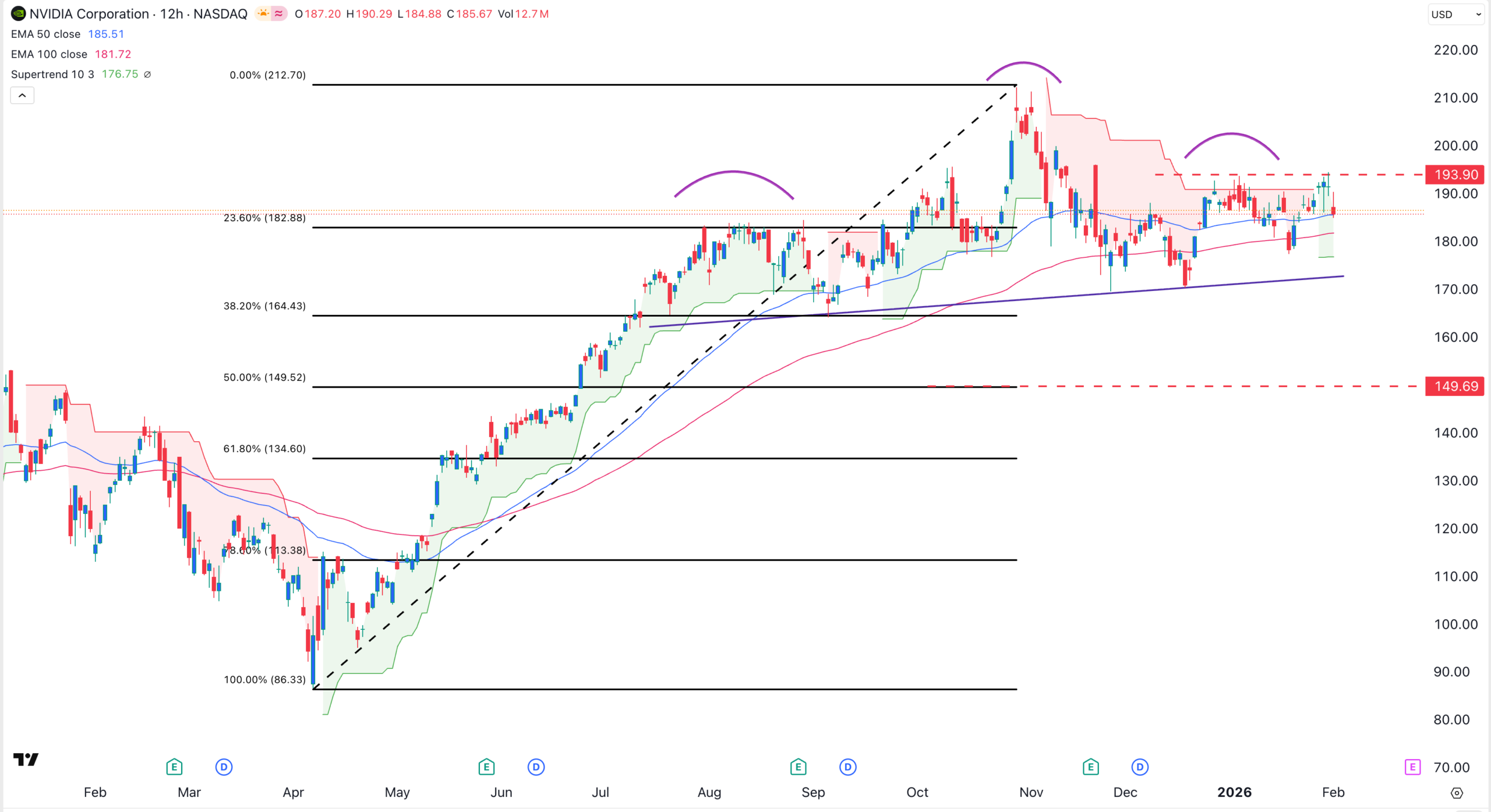
Key Insights NVIDIA stock started the week in the red. It crashed by over 2%. Meanwhile, the S&P 500, Dow Jones, and Nasdaq 100 moved close to their all-time highs
Share
Themarketperiodical2026/02/04 11:27
Ondo Finance Launches USDY Yieldcoin on Stellar, Bringing Tokenized U.S. Treasuries to Users

Ondo Finance Launches USDY Yieldcoin on Stellar, Bringing Tokenized U.S. Treasuries to Users

Ondo Finance, a U.S.-based digital asset firm specializing in bringing traditional financial products on-chain through tokenization, is expanding its yieldcoin USDY to the Stellar network. This lates update marks a step forward in merging tokenized real-world assets with a global payments infrastructure, unlocking new opportunities for users worldwide. The announcement was made at the Stellar Meridian event in Copacabana, Rio de Janeiro, on September 17. USDY Joins the Stellar Ecosystem Ondo Finance, a recognized leader in tokenized real-world assets, announced the deployment of United States Dollar Yield (USDY) on Stellar, the payments-focused blockchain known for speed and low transaction costs. USDY is the most widely available “yieldcoin,” offering investors access to onchain assets backed by U.S. Treasuries. This launch allows Stellar’s global user base to tap into permissionless, yield-bearing assets tied to one of the safest financial instruments in the world. It also aligns with Stellar’s mission of driving fast, affordable cross-border payments. Combining Yield with Payments Infrastructure “Stablecoins unlocked global access to the U.S. dollar. With USDY, we’re taking the next step by bringing U.S. Treasuries onchain in a form that combines stability, liquidity, and yield,” said Ian De Bode, Chief Strategy Officer at Ondo Finance. “Fast, affordable cross-border payments are at the center of what Stellar was designed to do. The global reach of the Stellar ecosystem combined with a yield-bearing asset like USDY levels up what is possible onchain, allowing wallets and businesses to offer yield opportunities to their users,” said Denelle Dixon, CEO of the Stellar Development Foundation. Ondo claims by pairing USDY with Stellar’s infrastructure, new possibilities open up in treasury management, collateralization, and everyday financial applications. Unlocking Institutional and Retail Use Cases USDY currently manages over $650 million in total value locked (TVL) across nine blockchains and offers a 5.3% APY. By launching on Stellar, Ondo Finance extends these benefits to global retail and institutional users. The firm explains balances on Stellar can now become productive, supporting use cases such as onchain savings, institutional treasury strategies, cost-efficient collateral for DeFi protocols, and remittance flows that carry yield rather than remaining static. A Milestone for Tokenized Treasuries With the integration of USDY, Stellar users gain more than just access to stable-value assets—they gain access to institutional-grade yield. For investors outside the U.S., the launch represents a new way to combine the safety of Treasuries with the accessibility of blockchain technology. As tokenization accelerates globally, Ondo Finance’s decision to deploy USDY on Stellar reinforces the narrative that blockchain is not just about speculation, but about reimagining the global financial system through secure, yield-bearing digital assets
Share
CryptoNews2025/09/18 00:46
