

Bitcoin ETFs Pull In $562M as Fidelity’s FBTC Leads; Ethereum, XRP Slip
Key Insights
- Bitcoin ETFs record $561.89 million in inflows on February 2, ending four-day outflow streak
- Fidelity’s FBTC leads with $153.35 million, BlackRock’s IBIT adds $141.99 million
- Ethereum ETFs see $2.86 million in outflows
Bitcoin ETFs recorded inflows of $561.89 million on February 2, 2026, ending a four-day outflow streak that totaled $1.49 billion, according to SoSoValue data.
Fidelity’s FBTC led the recovery with $153.35 million in inflows, while BlackRock’s IBIT contributed $141.99 million.
Ethereum ETFs experienced modest outflows of $2.86 million during the same session. BlackRock’s ETHA recorded $82.11 million in withdrawals, offset by inflows across multiple other Ethereum ETF products.
Multiple Bitcoin ETFs Record Positive Flows
The February 2 Bitcoin ETF inflows were distributed across eight different sponsors. Grayscale’s BTC product attracted $67.24 million, Bitwise’s BITB recorded $96.50 million, and Ark & 21Shares’ ARKB saw $65.07 million enter.
VanEck’s HODL added $24.34 million, while Invesco’s BTCO recorded $10.09 million in inflows.
WisdomTree’s BTCW attracted $3.31 million during the session. Several Bitcoin ETF products reported zero activity, including Grayscale’s GBTC, Valkyrie’s BRRR, Franklin’s EZBC, and Hashdex’s DEFI.
Total value traded across Bitcoin ETFs reached $7.68 billion on February 2. Cumulative total net inflows declined to $55.57 billion from $55.01 billion on January 30. Total net assets stood at $100.38 billion, down from $106.96 billion.
Four-Day Bitcoin ETF Outflow Streak Ends
The February 2 inflows reversed four consecutive days of withdrawals. On January 30, $509.70 million left Bitcoin ETFs, followed by $817.87 million on January 29, $19.64 million on January 28, and $147.37 million on January 27. The combined outflows over the four days totaled $1.49 billion.
 Bitcoin ETF data: SoSo Value
The extended selling period came after a brief one-day recovery on January 26, when Bitcoin ETFs attracted $6.84 million.
Before that, the products had experienced sustained outflows throughout late January, including a $708.71 million withdrawal on January 21.
Weekly data shows Bitcoin ETFs recorded $561.89 million in inflows for the single-day period ending February 2. This reversed the prior week’s $1.49 billion in outflows through January 30.
Asset Base Recovery Begins for Bitcoin ETFs
Total net assets for Bitcoin ETFs reached $100.38 billion on February 2, after declining to a recent low.
The asset base had peaked at $128.04 billion on January 14 before falling $27.66 billion over 19 days. The February 2 inflows provided the first strong signal of recovery.
The asset base had dropped below $107 billion during the late January selling period.
Cumulative net inflows total $55.57 billion, compared with the $57.82 billion peak reached on January 16.
The February 2 recovery brought net flows back above the psychological $55 billion level.
BlackRock leads Ethereum ETF outflows
Ethereum ETFs recorded $2.86 million in net outflows on February 2, with BlackRock’s ETHA accounting for $82.11 million in withdrawals.
Fidelity’s FETH partially offset the decline with $66.62 million in inflows, while Bitwise’s ETHW added $4.99 million and VanEck’s ETHV contributed $7.64 million.
Grayscale’s ETHE, Grayscale’s ETH, Franklin’s EZET, 21Shares’ TETH, and Invesco’s QETH all reported zero activity for the day.
 Ethereum ETF data: SoSo Value
Cumulative total net inflows for Ethereum ETFs declined to $11.97 billion from $12.23 billion on January 29.
Total net assets dropped to $13.69 billion from $15.86 billion on January 30. Total value traded across Ethereum ETFs reached $2.70 billion during the session.
The February 2 outflows followed heavy selling in Ethereum ETFs on January 30, which totaled $252.87 million. The products had recorded $28.10 million in inflows on January 28.
Recent Week Shows Volatile Ethereum ETF Flows
Ethereum ETFs experienced volatility in late January and early February. After recording $116.99 million in inflows on January 26, the products faced $63.53 million in outflows on January 27. The pattern reversed again on January 28, with $28.10 million in inflows.
The selling resumed on January 29 with $155.61 million in outflows, followed by $252.87 million on January 30.
The modest $2.86 million outflow on February 2 came as a relief after the two heavy withdrawal days.
Total net assets for Ethereum ETFs declined from $18.22 billion on January 28 to $13.69 billion on February 2.
The $4.53 billion decrease over five days was driven by both outflows and declines in the Ethereum price. The asset base had peaked at $20.84 billion on January 14.
Solana spot ETFs recorded $5.58 million in inflows on February 2. XRP spot ETFs experienced modest outflows of $0.40 million during the same session.
The post Bitcoin ETFs Pull In $562M as Fidelity’s FBTC Leads; Ethereum, XRP Slip appeared first on The Market Periodical.
You May Also Like

Three dormant wallets, suspected to belong to the same entity, purchased 5,970 ETH eight hours ago.
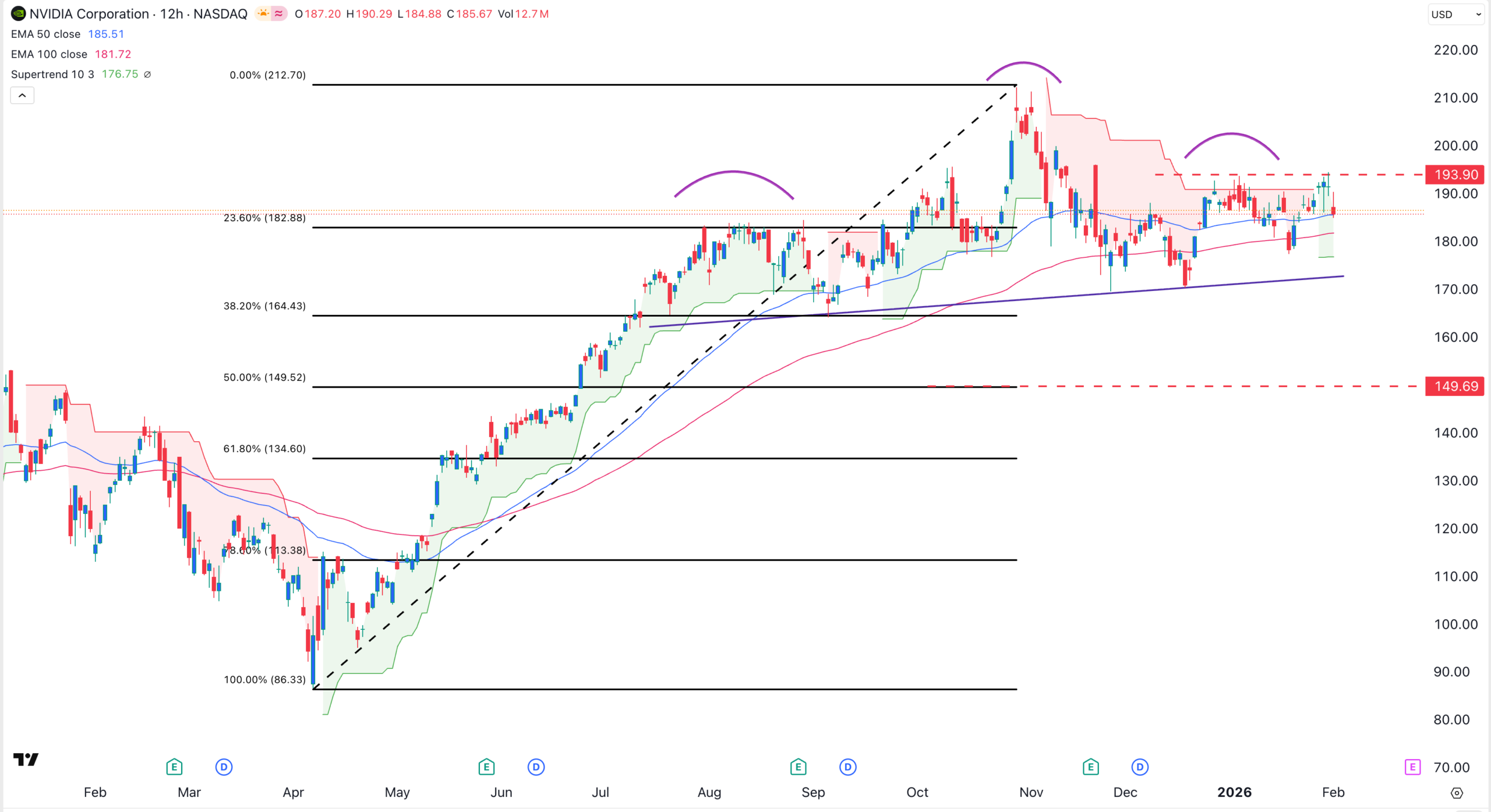
NVIDIA Stock Price Analysis as OpenAI Issues Concerns About its Chips
