

BlockDAG Enters the Blockchain: Feb 11 TGE Turns Code Into Tradable Tokens
The cryptocurrency market of 2026 has shifted into an environment where technical accuracy matters far more than flashy promotion. In the early phase of DeFi, many projects launched unstable smart contracts and simply hoped nothing would break, which often resulted in massive exploits and lost funds.
Today, with institutional money firmly rooted in crypto, expectations around a Token Generation Event (TGE) have increased dramatically. A TGE is no longer just pressing a button. It is now a highly coordinated technical operation that involves deep smart contract audits, liquidity infrastructure, and strict security systems.
BlockDAG now stands at the edge of this demanding process. After closing a record-breaking presale yesterday, the project is preparing for the most important milestone in its journey: the Feb 11 TGE.
Understanding the Difference: TGE Versus Exchange Listing
Many retail investors misunderstand the difference between a TGE and a Listing. It is essential to know that Feb 11 is not when trading starts. It is the day the token officially comes into existence. On this date, BlockDAG’s smart contracts will activate the minting process, mathematically creating the full supply of BDAG tokens on the blockchain.
This moment connects the off-chain world to the on-chain system. During the presale, buyers did not yet hold blockchain tokens. They owned a digital record stored in a centralized database that confirmed their contribution. On Feb 11, that database will sync with the public blockchain ledger.
The risk in this step is enormous. With $452 million raised, the smart contract must accurately match thousands of wallet addresses to their exact token balances with zero margin for error. Even a tiny miscalculation could create chaos.
That is why the time gap between the presale close on Jan 26 and the TGE on Feb 11 is necessary. Developers need this isolation period to finish audits and lock in code that controls nearly half a billion dollars in value. The system must be permanent, precise, and secure before the TGE goes live.
Handling Scale: Managing 4 Million Token Claims
BlockDAG’s massive success creates a technical obstacle of its own: network congestion. With more than 4 million community members waiting to claim their tokens, the Claim phase could become a nightmare if poorly managed. If all users attempt to claim simultaneously, it could overload the network, push gas fees to extreme levels, or crash the user interface entirely.
To prevent this, the TGE system will almost certainly use a phased or batched release method. The development team must structure the Claim window in a way that spreads traffic evenly. This moment will serve as a real-world stress test for BlockDAG’s promised transaction speed. While the chain advertises high throughput, the Feb 11 TGE is the first major proof event.
For users, patience becomes a built-in safety measure. The claiming portal will be the busiest digital gateway in crypto on Feb 11. Recognizing that distribution happens through a controlled technical rollout rather than a chaotic race will help users avoid mistakes and panic.
Security Warning: Navigating the High-Risk Window
The days between the TGE on Feb 11 and the Listing on Feb 16 are historically the most dangerous for investors. This period is known as peak phishing season. Because the token exists on-chain after Feb 11 but cannot yet be traded until the Listing on Feb 16, scammers will flood social platforms with fake Early Access and Priority Claim links.
With $452 million involved, criminals know excitement can overpower judgment. Users must remember one unbreakable rule: code does not bargain. If you connect your wallet to a malicious smart contract pretending to be the official BlockDAG claim site, your funds can disappear instantly.
The real TGE process will never ask for your seed phrase or request a verification fee in ETH or USDT. Due to BlockDAG’s size, highly convincing clone websites will appear that look identical to the official page. Getting through this week safely requires a Zero Trust mindset. Every link must be verified through official BlockDAG channels before clicking.
Final Thoughts
As Feb 11 approaches, the BlockDAG community stands at the edge of a major digital transformation. The TGE marks the moment when months of belief and accumulation convert into on-chain reality. It is a highly technical process that demands precision, patience, and strict security awareness.
By learning how minting works, understanding how the Claim system operates, and recognizing the risks between the TGE and the Listing, users can protect their assets and arrive at the Feb 16 Listing safely. The presale has ended. Fundraising is complete. Now, the code takes control. Prepare your wallets, because the blockchain is about to come alive.
Learn More about BlockDAG:
Website: https://blockdag.network
Telegram: https://t.me/blockDAGnetworkOfficial
Discord: https://discord.gg/Q7BxghMVyu
Disclaimer: The statements, views and opinions expressed in this article are solely those of the content provider and do not necessarily represent those of Crypto Reporter. Crypto Reporter is not responsible for the trustworthiness, quality, accuracy of any materials in this article. This article is provided for educational purposes only. Crypto Reporter is not responsible, directly or indirectly, for any damage or loss caused or alleged to be caused by or in connection with the use of or reliance on any content, goods or services mentioned in this article. Do your research and invest at your own risk.
The post BlockDAG Enters the Blockchain: Feb 11 TGE Turns Code Into Tradable Tokens appeared first on Crypto Reporter.
You May Also Like

Three dormant wallets, suspected to belong to the same entity, purchased 5,970 ETH eight hours ago.
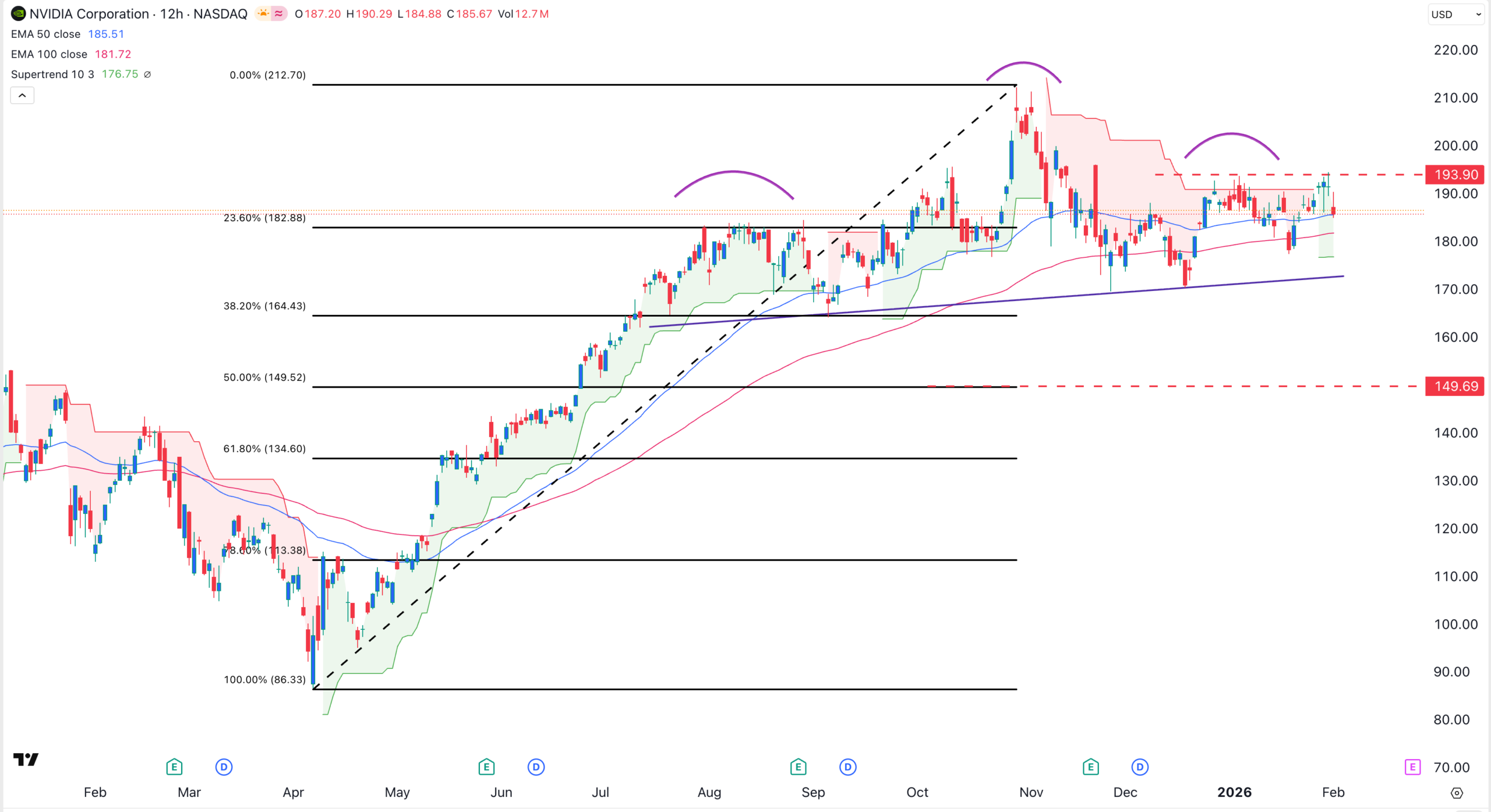
NVIDIA Stock Price Analysis as OpenAI Issues Concerns About its Chips
