

Yakovenko vs. Buterin: Solana’s Constant Evolution Meets Ethereum’s “Walkaway” Ideal
- Solana Labs CEO, Anatoly Yakovenko, said in an X post yesterday that Solana must continue to update the protocol indefinitely in order to ensure it remains in use and relevant to developers and users.
- Anatoly’s post was in response to Ethereum founder Vitalik Buterin’s post last week in which he said Ethereum must pass the “walkaway test,” meaning the network must essentially become self-sustaining, requiring minimal developer updates for decades on end.
Anatoly Yakovenko, the CEO of Solana Labs, the company responsible for the development and maintenance of the Solana blockchain, said yesterday in an X post that Solana needs to be continuously evolving and updating to meet the needs of developers and users if it is to stay relevant.
Solana needs to never stop iterating. It shouldn’t depend on any single group or individual to do so, but if it ever stops changing to fit the needs of its devs and users, it will die.
 Anatoly Yakovenko, Solana Labs CEO
His comments came in response to a post from Ethereum founder Vitalik Buterin last week in which Buterin said, “Ethereum itself must pass the walkaway test.”
Buterin explained his belief that Ethereum must get to a point where it can be self-sustaining, meaning that it could continue to function in a fully decentralised way without needing any significant code changes or development for decades on end.
Do the right thing once, based on knowledge of what is truly the right thing (and not compromise halfway fixes), and maximize Ethereum’s technological and social robustness for the long term.
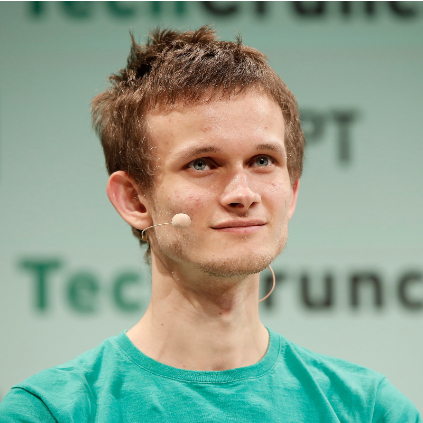 Vitalik Buterin, Ethereum founder
Ethereum and Solana are two of the most successful and well-known layer 1 smart contract platforms, but the philosophies underpinning their development and future direction are markedly different.
Related: Vitalik Buterin: Ethereum DApps Can Shield Internet From Outages and Centralised Failures
Updates to Solana Will Never Stop, But May Come From Outside Core Dev Teams, Says Yakovenko
As Buterin explained in his post, Ethereum is focussed on providing a home for “trustless and trust-minimized applications, whether in finance, governance or elsewhere.” The Ethereum founder said that the network must get to a place where it can “support applications that are more like tools – the hammer that once you buy it’s yours – than like services that lose all functionality once the vendor loses interest in maintaining them.”
According to Buterin, this vision isn’t achievable if Ethereum itself “depends on ongoing updates from a vendor in order to continue being usable – even if that ‘vendor’ is the all core devs process.”
Related: Solana Shrugs Off Massive DDoS Attack as Network Performance Holds Steady
Yakovenko disagrees with Buterin’s approach, stating that “to not die requires to always be useful.” The way a network can continue to remain useful, in Yakovenko’s view, is to constantly evolve and change to meet the needs of the time.
The primary goal of protocol changes should be to solve a dev or user problem.
Anatoly Yakovenko, Solana Labs CEO
The Solana Labs CEO said that new updates and additions to Solana will never cease, although they may eventually not come from the core Solana development team.
“You should always count on there being a next version of solana, just not necessarily from anza or labs or fd.”
The post Yakovenko vs. Buterin: Solana’s Constant Evolution Meets Ethereum’s “Walkaway” Ideal appeared first on Crypto News Australia.
You May Also Like

Recovery extends to $88.20, momentum improves

Saudi Awwal Bank Adopts Chainlink Tools, LINK Near $23
U.S. regulator declares do-over on prediction markets, throwing out Biden era 'frolic'
Copy linkX (Twitter)LinkedInFacebookEmail