

Blockchain’s Hidden Fight: Quantum Threat Looms Amid Bitcoin Timeline Debate
Crypto Blockchains Prepare for Quantum Future Amid Rising Concerns
As quantum computing advances, several prominent blockchain networks are actively exploring methods to resist future quantum threats, while the broader crypto community debates the urgency and approach of such preparations. Although modern quantum computers still cannot crack Bitcoin’s cryptography, recent developments highlight growing awareness of potential vulnerabilities and the need for proactive upgrades.
Key Takeaways
- Major blockchains like Aptos and Solana are testing or proposing post-quantum signature solutions.
- Bitcoin communities remain divided over whether to accelerate quantum-resistant upgrades, with some experts dismissing immediate threats.
- Industry leaders emphasize early preparation as a safeguard despite the current technological gap in quantum capabilities.
- The crypto landscape is increasingly viewing quantum resilience as a matter of long-term trust and systemic integrity.
Tickers mentioned: Bitcoin, Ethereum
Sentiment: Cautiously optimistic
Price impact: Neutral, as technical development efforts are ongoing but not yet influencing market prices significantly
Trading idea (Not Financial Advice): Hold—consider monitoring developments as quantum resistance features may eventually strengthen confidence in long-term assets.
Market context: The broader crypto industry is approaching a critical phase where future-proofing against emerging technological threats could impact valuation and investor sentiment.
Preparing Without Alarm: Blockchain Initiatives
While Bitcoin remains hesitant to make immediate changes, other major networks have adopted a more proactive stance. Ethereum’s co-founder Vitalik Buterin emphasizes that addressing quantum risks is an engineering challenge—not a distant hypothetical—citing models that estimate a 20% chance of viable quantum computers emerging before 2030. His position underscores the importance of early preparation, given that migrating a global network to quantum-resistant schemes could take years.
Other blockchains, such as Aptos, have proposed optional upgrades that introduce post-quantum signatures at the account level, allowing users to adopt new schemes without forcing a network-wide overhaul. Similarly, Solana has conducted dedicated testing of quantum-resistant signatures to evaluate implementation feasibility without compromising performance or compatibility.
Bitcoin’s Trust Dilemma and the Quantum Threat
Bitcoin relies on elliptic curve cryptography, which could potentially be compromised by sufficiently powerful quantum computers, enabling an attacker to recover private keys and spend coins without detection. Although experts agree that such quantum machines remain years away, the debate within the Bitcoin community centers on whether to actively pursue early upgrades. Dismissive voices argue that inspiring panic over distant threats harms perception, while others, including investors, see such risks as potentially destabilizing long-term confidence.
Some investors say dismissing quantum risk is affecting Bitcoin’s price. Source: CoinGeckoDespite the contention, active research into post-quantum cryptography continues within the Bitcoin ecosystem. Industry figures warn that a complacent attitude might lead capital to shift elsewhere, emphasizing that long-term trust in Bitcoin’s security infrastructure is paramount. Technical proposals like Bitcoin Improvement Proposal 360 seek to embed quantum-resistant signatures, although such measures remain in early discussion stages.
In the end, the debate over quantum risk highlights a broader challenge: managing how future threats are communicated and perceived, especially for assets whose value hinges on perceived security and durability. As the industry advances, striking a balance between prudent preparation and calm reassurance will shape the future security of blockchain networks.
This article was originally published as Blockchain’s Hidden Fight: Quantum Threat Looms Amid Bitcoin Timeline Debate on Crypto Breaking News – your trusted source for crypto news, Bitcoin news, and blockchain updates.
You May Also Like

Trading time: Tonight, the US GDP and the upcoming non-farm data will become the market focus. Institutions are bullish on BTC to $120,000 in the second quarter.

XRP Gains Momentum as Gemini Brings RLUSD to the Ledger for Instant, Low-Cost Settlements ⋆ ZyCrypto
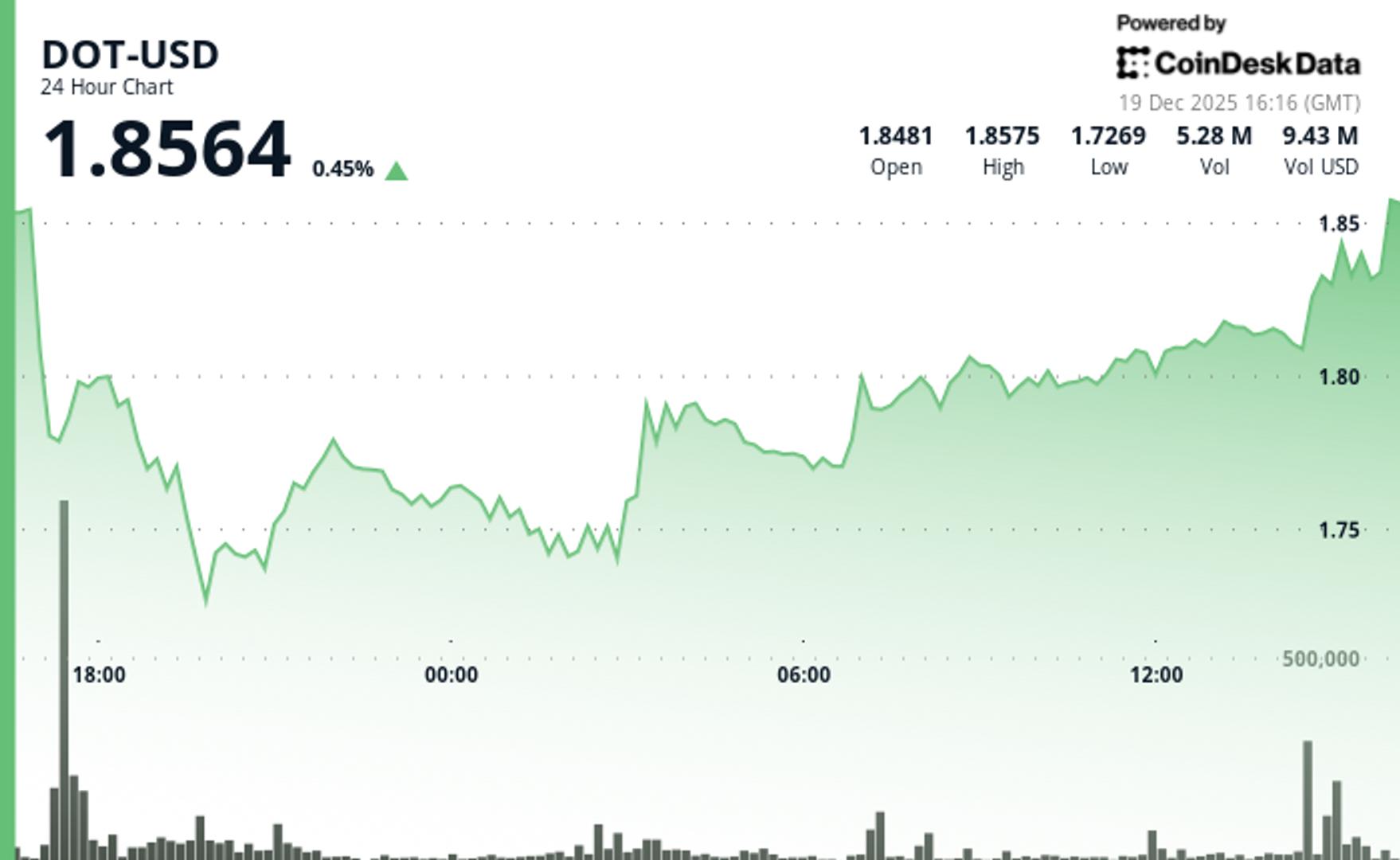
Polkadot's DOT holds steady with token unchanged over 24 hours
Copy linkX (Twitter)LinkedInFacebookEmail