Protect Blockchain Developers: a16z Crypto’s Urgent Call to the CFTC
BitcoinWorld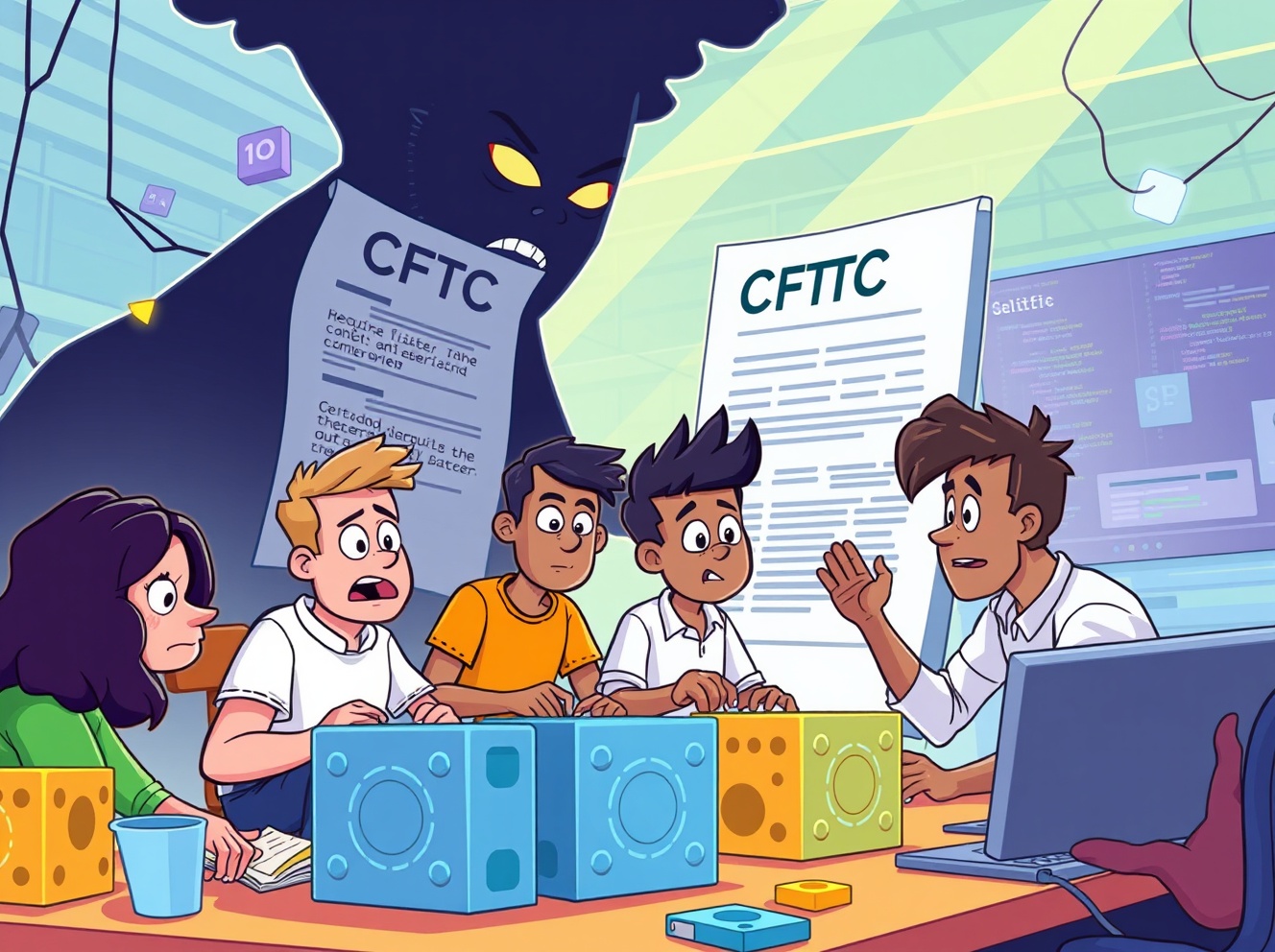
Protect Blockchain Developers: a16z Crypto’s Urgent Call to the CFTC
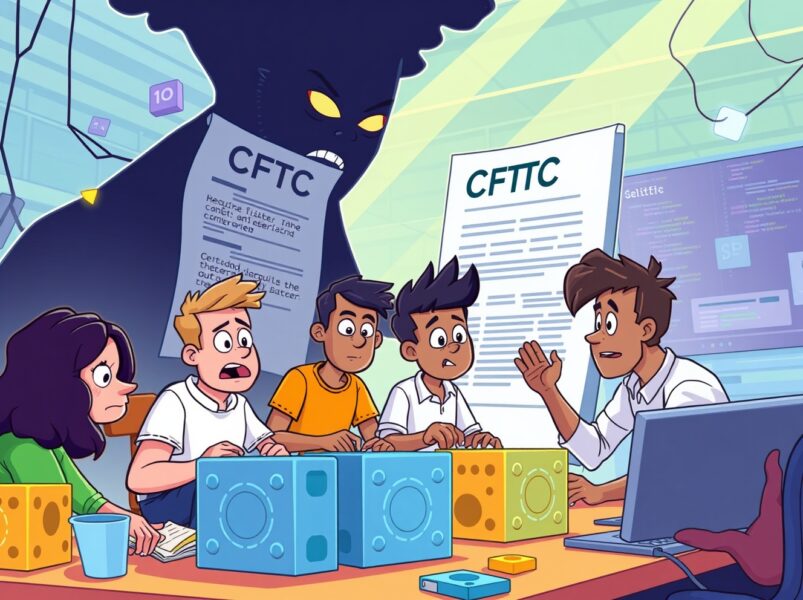
In a bold move that could shape the future of decentralized finance, venture capital giant a16z Crypto has issued a direct appeal to U.S. regulators. The firm is urging the Commodity Futures Trading Commission (CFTC) to establish clear rules that protect blockchain developers from regulatory uncertainty. This call comes as the innovative world of DeFi increasingly clashes with traditional financial laws, creating a precarious environment for builders.
Why Does a16z Want to Protect Blockchain Developers?
a16z Crypto, a major investor in the Web3 space, has identified a critical problem. There is a growing inconsistency between how decentralized finance protocols operate and the requirements of the Commodity Exchange Act (CEA). This legal gray area leaves developers vulnerable. Without clear guidance, innovators face potential legal action simply for building open-source software that powers DeFi applications. The firm argues this uncertainty stifles American innovation in a critical technological frontier.
What Specific Actions Did a16z Propose?
To resolve this conflict, a16z Crypto submitted a formal comment letter to the CFTC outlining a three-part plan. Their goal is to create a safe harbor for innovation while maintaining market integrity.
- Clarify Exemptions: The CFTC should explicitly state that blockchain protocol developers are not required to register under the CEA.
- Provide Guidance: Issue no-action letters or interpretive guidance for specific decentralized applications (dApps).
- Create a New Path: Develop a tailored, simplified registration framework for truly decentralized systems that cannot comply with traditional rules.
This proposal aims to protect blockchain developers from being held liable as unregistered exchanges or intermediaries, a classification designed for centralized entities.
The High Stakes of DeFi Regulation
The core tension lies in applying laws written for traditional, intermediary-based markets to decentralized, code-based systems. In DeFi, smart contracts—not companies—facilitate transactions. Holding the anonymous developers of these contracts to the same standard as a Wall Street firm is not just impractical; it threatens to push innovation overseas. a16z’s move is a preemptive strike against regulatory overreach that could cripple the U.S. crypto ecosystem. Their argument is simple: to foster responsible innovation, regulators must first provide clarity.
What Does This Mean for the Future of Crypto?
This is more than a policy debate; it’s a battle for the soul of the internet’s next chapter. Clear rules that protect blockchain developers are essential for several reasons. First, they provide legal certainty, encouraging more talent to build in the open. Second, they help distinguish between legitimate projects and fraudulent schemes. Finally, they ensure the United States remains competitive in the global race for Web3 leadership. The CFTC’s response could set a precedent for how democracies regulate decentralized technology.
Conclusion: A Defining Moment for Innovation
a16z Crypto’s call to action highlights a pivotal crossroads. We can either saddle groundbreaking technology with ill-fitting, decades-old regulations, or we can craft new frameworks that safeguard users while empowering builders. The request to protect blockchain developers is a plea for pragmatism and vision. It recognizes that the code writing the future of finance needs a legal environment that understands it. The ball is now in the CFTC’s court to either enable American leadership or inadvertently cede it.
Frequently Asked Questions (FAQs)
What is a16z Crypto asking the CFTC to do?
a16z Crypto is asking the U.S. Commodity Futures Trading Commission to issue clear regulatory guidance that exempts blockchain protocol developers from registering under the Commodity Exchange Act, providing them legal protection.
Why do blockchain developers need protection?
Because current U.S. financial regulations, like the CEA, are designed for centralized intermediaries. Applying them to decentralized, open-source developers creates legal uncertainty that can stifle innovation and expose builders to unintended liability.
What is a ‘no-action letter’ from the CFTC?
A no-action letter is a statement from the CFTC’s staff indicating they will not recommend enforcement action against a specific activity. It provides temporary regulatory clarity for innovative projects.
How would this help the average crypto user?
Clearer rules for developers lead to more secure, reliable, and innovative DeFi applications. It reduces regulatory risk for projects, which translates to better products and more choices for users in a stable ecosystem.
Could this proposal lead to less regulation?
No. a16z is not arguing for no regulation. They are advocating for appropriate regulation—a new, tailored framework that addresses the unique risks of DeFi without crushing its innovative potential.
What happens if the CFTC ignores this request?
Continued uncertainty could drive blockchain development talent and companies to jurisdictions with clearer rules, such as Singapore or the EU, weakening the United States’ position in the global tech landscape.
Did you find this breakdown of a16z’s push to protect blockchain developers helpful? The debate over DeFi regulation affects everyone in crypto. Share this article on social media to spread awareness about this critical issue shaping the future of finance.
To learn more about the latest DeFi regulation trends, explore our article on key developments shaping the regulatory landscape for decentralized finance institutional adoption.
This post Protect Blockchain Developers: a16z Crypto’s Urgent Call to the CFTC first appeared on BitcoinWorld.
You May Also Like

Tether’s Uruguay Bitcoin Mining Plans Could Be Over

Oil jumps over 1% on Venezuela oil blockade