

AI Data Center Explosion: The Alarming Threat to America’s Infrastructure Projects
BitcoinWorld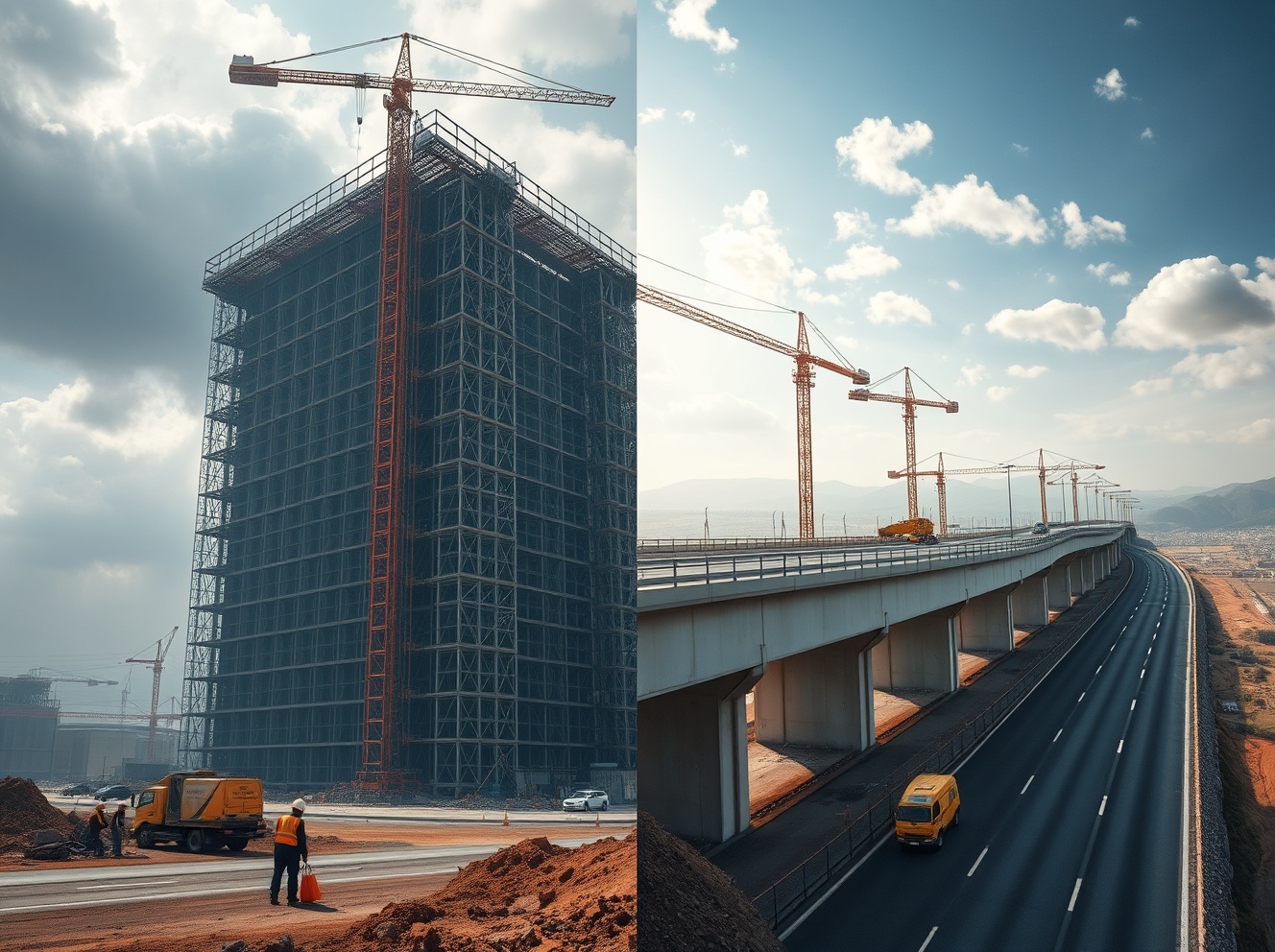
AI Data Center Explosion: The Alarming Threat to America’s Infrastructure Projects
The artificial intelligence revolution is creating an unexpected crisis that could stall America’s infrastructure modernization. As billions pour into AI data center construction, traditional infrastructure projects face unprecedented resource competition that could delay critical improvements to roads, bridges, and public utilities for years. This resource war has significant implications for cryptocurrency infrastructure development and the broader tech ecosystem.
The AI Data Center Construction Boom
Private spending on AI data center construction has reached staggering levels. According to Census Bureau data, private investment in data centers is running at an annualized rate exceeding $41 billion. This figure roughly equals state and local government spending on transportation construction, creating direct competition for the same construction resources, materials, and labor.
The scale of this construction surge is unprecedented:
- Record debt sales by state and local governments for infrastructure funding
- Projected $600 billion in additional government infrastructure spending
- Simultaneous private sector data center construction acceleration
- Convergence of timelines creating maximum resource competition
Infrastructure Projects Face Resource Drain
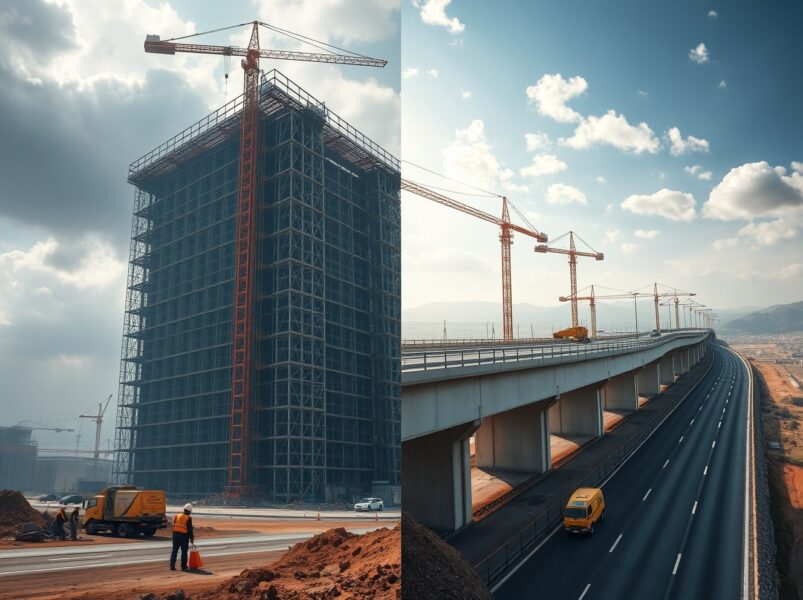
Traditional infrastructure improvements are becoming collateral damage in the AI construction race. Andrew Anagnost, CEO of Autodesk, told Bloomberg there’s “absolutely no doubt” that data center construction “sucks resources from other projects.” His warning highlights a critical challenge: as AI infrastructure demands grow, traditional public works face increasing delays and cost overruns.
The competition manifests in several key areas:
| Resource Type | AI Data Center Demand | Infrastructure Project Impact |
|---|---|---|
| Construction Labor | High demand for specialized workers | Shortages for road/bridge projects |
| Materials | Priority access to steel, concrete | Delayed material delivery |
| Engineering Talent | Competitive salaries attracting experts | Public sector talent drain |
| Project Timelines | Accelerated private sector schedules | Extended public project durations |
Construction Labor Shortages Intensify
The construction industry faces a perfect storm of labor challenges. Retirements are reducing the skilled workforce just as immigration policies restrict new worker availability. President Donald Trump’s immigration crackdown has exacerbated these shortages, creating intense competition between public infrastructure projects and private AI data center construction.
Key labor market factors include:
- Aging workforce with increasing retirement rates
- Reduced immigration limiting new construction workers
- Specialized skills required for both data centers and infrastructure
- Wage inflation as employers compete for limited talent
Government Spending Meets Private Investment
2025 marked the second consecutive year of record debt sales by state and local governments, with strategists predicting another $600 billion in sales next year. Most of this funding targets traditional infrastructure improvements, but faces direct competition from private AI data center investments.
The financial landscape reveals a troubling pattern:
- Government infrastructure spending matches private data center investment
- Both sectors compete for identical construction resources
- Private sector often outbids public projects for materials and labor
- Infrastructure delays increase long-term public costs
Resource Competition Creates Critical Choices
The simultaneous acceleration of AI data center construction and traditional infrastructure projects creates impossible choices for the construction industry. As Andrew Anagnost warned, “I guarantee you a lot of those [infrastructure] projects are not going to move as fast as people want.” This resource competition affects everything from project timelines to regional development priorities.
Critical impacts include:
- Delayed infrastructure maintenance and safety improvements
- Increased project costs due to competitive bidding
- Regional disparities in development priorities
- Long-term economic consequences of infrastructure neglect
FAQs: Understanding the Infrastructure Crisis
How serious is the competition between AI data centers and infrastructure projects?
The competition is severe, with private data center construction spending matching government transportation construction budgets. Both sectors require similar resources, creating direct competition that delays critical public works.
What specific resources are in shortest supply?
Construction labor faces the most critical shortage, exacerbated by retirements and immigration policies. Specialized engineering talent, construction materials, and project management resources are also heavily contested.
Who is Andrew Anagnost and why is his perspective important?
Andrew Anagnost is the CEO of Autodesk, a leading architecture and design software company. His insights into construction industry dynamics carry significant weight given Autodesk’s position serving both public infrastructure and private data center projects.
How does this affect cryptocurrency and blockchain infrastructure?
Cryptocurrency mining operations and blockchain node infrastructure face similar resource competition. As AI data centers prioritize power and cooling resources, crypto infrastructure projects may experience increased costs and delayed implementations.
What government policies are affecting construction labor?
President Donald Trump’s immigration policies have reduced available construction workers, intensifying competition between sectors. This policy environment, combined with an aging workforce, creates structural labor shortages.
Conclusion: Balancing Technological Progress and Public Needs
The AI data center boom represents both technological progress and a significant challenge for public infrastructure development. While artificial intelligence advancement is crucial for economic competitiveness, neglecting traditional infrastructure carries serious consequences for public safety, economic efficiency, and quality of life. The construction industry faces the difficult task of balancing these competing priorities in a resource-constrained environment. Strategic planning, workforce development, and policy adjustments will be essential to ensure both AI infrastructure and public works can progress without sacrificing one for the other.
To learn more about the latest AI infrastructure and market trends, explore our articles on key developments shaping AI adoption and its impact on technology infrastructure worldwide.
This post AI Data Center Explosion: The Alarming Threat to America’s Infrastructure Projects first appeared on BitcoinWorld.
You May Also Like

The Channel Factories We’ve Been Waiting For

Wyoming-based crypto bank Custodia files rehearing petition against Fed
