

Bitcoin mining is de afgelopen tijd een stuk minder vanzelfsprekend geworden. Hogere energiekosten en strakkere marges maken het lastiger om winst te draaien. TegelijkBitcoin mining is de afgelopen tijd een stuk minder vanzelfsprekend geworden. Hogere energiekosten en strakkere marges maken het lastiger om winst te draaien. Tegelijk
Bitcoin mining staat onder druk. Wat betekent dit voor miners?
Bitcoin mining is de afgelopen tijd een stuk minder vanzelfsprekend geworden. Hogere energiekosten en strakkere marges maken het lastiger om winst te draaien. Tegelijk zorgt die druk voor beweging: miners zoeken slimmer, efficiënter en toekomstgerichter naar manieren om het netwerk draaiende te houden. Energiekosten lopen op en zetten mining onder spanning Wie de mining-wereld een beetje volgt, merkt dat de rekensom is verschoven. In periodes met stevige koersstijgingen konden hogere kosten vaak worden opgevangen. Die ruimte is kleiner geworden. Energie weegt zwaarder dan ooit mee in de boeken van miningbedrijven. In regio’s waar stroomprijzen hard zijn gestegen, staat de winstgevendheid direct onder spanning. Voor veel miners ligt het omslagpunt inmiddels dicht in de buurt. Daarom kijken miners steeds vaker naar de opbrengst per rekeneenheid. Dat cijfer laat zien wat machines gemiddeld opleveren na aftrek van kosten. Door hogere energietarieven en meer concurrentie binnen het netwerk staat dat rendement onder druk. Tegelijk blijft de totale rekenkracht van het bitcoin-netwerk groeien. Dat betekent dat miners meer capaciteit moeten inzetten om hetzelfde deel van de beloning te behouden. Het resultaat is een sector waarin efficiënt werken belangrijker is dan ooit. Vooral kleinere en middelgrote miningbedrijven voelen dit snel. Zij hebben minder onderhandelingsruimte bij energiecontracten en draaien niet altijd met de nieuwste apparatuur. In de praktijk betekent dit soms dat machines tijdelijk worden uitgezet of dat miners hun activiteiten verplaatsen naar regio’s met gunstigere omstandigheden. Mining draait daardoor steeds minder om simpelweg opschalen en steeds meer om scherpe keuzes maken. 1) The Changing Landscape What’s Happening? Several factors are reshaping how Bitcoin miners and industry players operate: ✅Bitcoin price volatility → mining profitability changes rapidly with market swings. ✅Energy costs & availability → electricity is the largest… https://t.co/wC0E0BLEJl pic.twitter.com/GwZWpCEFVz — Myzullll (@Hylmee24) December 11, 2025 Mining ziet duidelijke verschuiving richting duurzame energie Juist door die druk verschuift de aandacht binnen mining richting hernieuwbare energie. Zonne- en waterkracht zijn daarbij logische keuzes. Niet alleen omdat ze op de lange termijn goedkoper zijn, maar ook omdat ze meer stabiliteit bieden. Voor miners met krappe marges is voorspelbaarheid geen luxe, maar een vereiste. In verschillende delen van de wereld ontstaan mininglocaties die direct gekoppeld zijn aan duurzame energieprojecten. Door lokaal opgewekte stroom te gebruiken, verkleinen miners hun afhankelijkheid van het elektriciteitsnet. Dat maakt hun bedrijfsvoering minder gevoelig voor plotselinge prijsstijgingen. Tegelijk ontstaat ruimte om installaties op te schalen wanneer er tijdelijk meer energie beschikbaar is dan elders nodig. Ook technisch zit de sector niet stil. Nieuwe mininghardware verbruikt minder stroom en steeds vaker wordt software ingezet om het energiegebruik slimmer te sturen. Installaties kunnen automatisch terugschakelen bij hoge tarieven en juist opschalen wanneer stroom goedkoop is. Duurzame mining klinkt misschien groen, maar is in de praktijk vooral een nuchtere zakelijke keuze. Lage marges dwingen mining tot schaalvergroting en innovatie De combinatie van hoge kosten en lage marges zet de verhoudingen binnen mining op scherp. Het ligt voor de hand dat de sector verder opschuift richting schaalvergroting. Grote partijen met toegang tot goedkope energie en voldoende kapitaal hebben een duidelijke voorsprong. Kleinere miners zullen creatiever moeten worden, samenwerken of zich specialiseren om relevant te blijven. Tegelijk verandert het beeld rond mining langzaam. Waar de sector lang vooral werd gezien als energieslurper, groeit nu de aandacht voor slimmer en efficiënter gebruik van hernieuwbare bronnen. In sommige regio’s kan mining zelfs helpen om overtollige energie nuttig in te zetten. Dat opent de deur naar nieuwe vormen van samenwerking tussen miners en energieprojecten. Voor het bitcoin-netwerk zelf betekent deze ontwikkeling dat het stabiel blijft draaien, maar steeds professioneler wordt. Meedoen aan mining vraagt meer planning, kapitaal en kennis dan vroeger. Slim energiebeheer is net zo belangrijk geworden als pure rekenkracht. Daarmee is mining duidelijk in een nieuwe fase beland. With mining rewards shrinking and energy costs rising, companies are converting #crypto facilities into #AI data centers. AI offers higher margins, long-term contracts, etc . Is this the future of mining or the end of US #bitcoin dominance?https://t.co/Jnpd1PcWwR for details. pic.twitter.com/mB9svlNJij — cryptonomas (@cryptonomas) December 13, 2025 Mining past zich aan en zoekt een nieuw evenwicht Bitcoin mining staat op een kruispunt. Stijgende energiekosten maken oude werkwijzen minder houdbaar, terwijl duurzame energie en technologische vernieuwing nieuwe kansen bieden. Miners die zich weten aan te passen, bouwen aan een stabielere basis. Door slimmer om te gaan met energie en infrastructuur wordt mining steeds beter ingebed in de bredere energie-economie.
Het bericht Bitcoin mining staat onder druk. Wat betekent dit voor miners? is geschreven door Sebastiaan Krijnen en verscheen als eerst op Bitcoinmagazine.nl.
Market Opportunity
MANTRA Price(OM)
$0,06514
$0,06514$0,06514
USD
MANTRA (OM) Live Price Chart
Disclaimer: The articles reposted on this site are sourced from public platforms and are provided for informational purposes only. They do not necessarily reflect the views of MEXC. All rights remain with the original authors. If you believe any content infringes on third-party rights, please contact service@support.mexc.com for removal. MEXC makes no guarantees regarding the accuracy, completeness, or timeliness of the content and is not responsible for any actions taken based on the information provided. The content does not constitute financial, legal, or other professional advice, nor should it be considered a recommendation or endorsement by MEXC.
You May Also Like

Wormhole Unveils W Token 2.0 with Enhanced Tokenomics
The post Wormhole Unveils W Token 2.0 with Enhanced Tokenomics appeared on BitcoinEthereumNews.com. Joerg Hiller Sep 17, 2025 13:57 Wormhole introduces W Token 2.0, featuring upgraded tokenomics, a strategic Wormhole Reserve, and a 4% base yield, aiming to optimize ecosystem growth and align incentives. Wormhole has announced a significant upgrade to its native token, unveiling the W Token 2.0. This upgrade introduces new tokenomics including the establishment of a Wormhole Reserve, a 4% base yield, and an optimized unlock schedule, marking a pivotal development in the ecosystem, according to Wormhole. The W Token Evolution Launched in October 2020, Wormhole’s W token has been central to the platform’s mission of creating a connected internet economy. The latest upgrade aims to enhance the token’s utility across more than 40 blockchains. With a capped supply of 10 billion, the W token supports governance, staking, and ecosystem growth, aligning incentives for network security and development. Introducing the Wormhole Reserve The Wormhole Reserve will accumulate value from both onchain and offchain activities, supporting the ecosystem’s expansion. As Wormhole adoption grows, the token will capture value through network expansions and ecosystem applications, ensuring that growth is directly reflected in the token’s value. 4% Base Yield and Governance Rewards Wormhole 2.0 introduces a 4% base yield for W holders who actively participate in governance. The yield, derived from existing token supplies and protocol revenues, is designed to incentivize active participation without inflating the token supply. Optimized Unlock Schedule Updating its token release schedule, Wormhole replaces annual cliffs with bi-weekly unlocks, starting October 3, 2025. This change aims to reduce market pressure and provide a more stable environment for investors and contributors. The bi-weekly schedule will span over 4.5 years, affecting categories such as Guardian Nodes and Community & Launch. Wormhole’s Future Vision With these upgrades, Wormhole aims to expand its role as…
Share
BitcoinEthereumNews2025/09/18 15:48
![[OPINION] US National Security Strategy 2025: An iconoclastic document](https://www.rappler.com/tachyon/2025/12/AMERICANS-ARE-BACK-DEC-12-2025.jpg?resize=75%2C75&crop_strategy=attention)
[OPINION] US National Security Strategy 2025: An iconoclastic document
Trump's national security strategy signals a radical shift in US foreign policy, prioritizing economic power and regional interests over global commitments
Share
Rappler2025/12/16 12:30
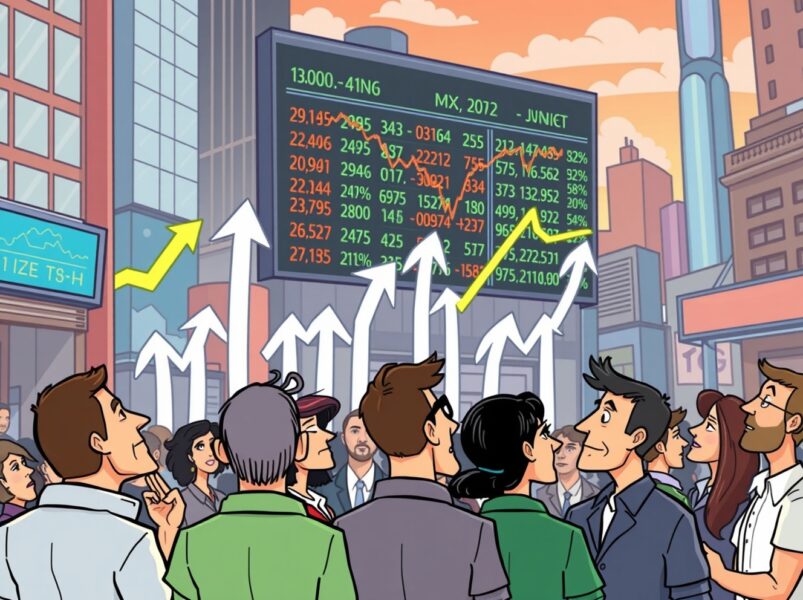
Crucial US Stock Market Update: What Wednesday’s Mixed Close Reveals
BitcoinWorld Crucial US Stock Market Update: What Wednesday’s Mixed Close Reveals The financial world often keeps us on our toes, and Wednesday was no exception. Investors watched closely as the US stock market concluded the day with a mixed performance across its major indexes. This snapshot offers a crucial glimpse into current investor sentiment and economic undercurrents, prompting many to ask: what exactly happened? Understanding the Latest US Stock Market Movements On Wednesday, the closing bell brought a varied picture for the US stock market. While some indexes celebrated gains, others registered slight declines, creating a truly mixed bag for investors. The Dow Jones Industrial Average showed resilience, climbing by a notable 0.57%. This positive movement suggests strength in some of the larger, more established companies. Conversely, the S&P 500, a broader benchmark often seen as a barometer for the overall market, experienced a modest dip of 0.1%. The technology-heavy Nasdaq Composite also saw a slight retreat, sliding by 0.33%. This particular index often reflects investor sentiment towards growth stocks and the tech sector. These divergent outcomes highlight the complex dynamics currently at play within the American economy. It’s not simply a matter of “up” or “down” for the entire US stock market; rather, it’s a nuanced landscape where different sectors and company types are responding to unique pressures and opportunities. Why Did the US Stock Market See Mixed Results? When the US stock market delivers a mixed performance, it often points to a tug-of-war between various economic factors. Several elements could have contributed to Wednesday’s varied closings. For instance, positive corporate earnings reports from certain industries might have bolstered the Dow. At the same time, concerns over inflation, interest rate policies by the Federal Reserve, or even global economic uncertainties could have pressured growth stocks, affecting the S&P 500 and Nasdaq. Key considerations often include: Economic Data: Recent reports on employment, manufacturing, or consumer spending can sway market sentiment. Corporate Announcements: Strong or weak earnings forecasts from influential companies can significantly impact their respective sectors. Interest Rate Expectations: The prospect of higher or lower interest rates directly influences borrowing costs for businesses and consumer spending, affecting future profitability. Geopolitical Events: Global tensions or trade policies can introduce uncertainty, causing investors to become more cautious. Understanding these underlying drivers is crucial for anyone trying to make sense of daily market fluctuations in the US stock market. Navigating Volatility in the US Stock Market A mixed close, while not a dramatic downturn, serves as a reminder that market volatility is a constant companion for investors. For those involved in the US stock market, particularly individuals managing their portfolios, these days underscore the importance of a well-thought-out strategy. It’s important not to react impulsively to daily movements. Instead, consider these actionable insights: Diversification: Spreading investments across different sectors and asset classes can help mitigate risk when one area underperforms. Long-Term Perspective: Focusing on long-term financial goals rather than short-term gains can help weather daily market swings. Stay Informed: Keeping abreast of economic news and company fundamentals provides context for market behavior. Consult Experts: Financial advisors can offer personalized guidance based on individual risk tolerance and objectives. Even small movements in major indexes can signal shifts that require attention, guiding future investment decisions within the dynamic US stock market. What’s Next for the US Stock Market? Looking ahead, investors will be keenly watching for further economic indicators and corporate announcements to gauge the direction of the US stock market. Upcoming inflation data, statements from the Federal Reserve, and quarterly earnings reports will likely provide more clarity. The interplay of these factors will continue to shape investor confidence and, consequently, the performance of the Dow, S&P 500, and Nasdaq. Remaining informed and adaptive will be key to understanding the market’s trajectory. Conclusion: Wednesday’s mixed close in the US stock market highlights the intricate balance of forces influencing financial markets. While the Dow showed strength, the S&P 500 and Nasdaq experienced slight declines, reflecting a nuanced economic landscape. This reminds us that understanding the ‘why’ behind these movements is as important as the movements themselves. As always, a thoughtful, informed approach remains the best strategy for navigating the complexities of the market. Frequently Asked Questions (FAQs) Q1: What does a “mixed close” mean for the US stock market? A1: A mixed close indicates that while some major stock indexes advanced, others declined. It suggests that different sectors or types of companies within the US stock market are experiencing varying influences, rather than a uniform market movement. Q2: Which major indexes were affected on Wednesday? A2: On Wednesday, the Dow Jones Industrial Average gained 0.57%, while the S&P 500 edged down 0.1%, and the Nasdaq Composite slid 0.33%, illustrating the mixed performance across the US stock market. Q3: What factors contribute to a mixed stock market performance? A3: Mixed performances in the US stock market can be influenced by various factors, including specific corporate earnings, economic data releases, shifts in interest rate expectations, and broader geopolitical events that affect different market segments uniquely. Q4: How should investors react to mixed market signals? A4: Investors are generally advised to maintain a long-term perspective, diversify their portfolios, stay informed about economic news, and avoid impulsive decisions. Consulting a financial advisor can also provide personalized guidance for navigating the US stock market. Q5: What indicators should investors watch for future US stock market trends? A5: Key indicators to watch include upcoming inflation reports, statements from the Federal Reserve regarding monetary policy, and quarterly corporate earnings reports. These will offer insights into the future direction of the US stock market. Did you find this analysis of the US stock market helpful? Share this article with your network on social media to help others understand the nuances of current financial trends! To learn more about the latest stock market trends, explore our article on key developments shaping the US stock market‘s future performance. This post Crucial US Stock Market Update: What Wednesday’s Mixed Close Reveals first appeared on BitcoinWorld.
Share
Coinstats2025/09/18 05:30