BitcoinWorld MoneyGram Stablecoins: Unlocking Revolutionary Global Remittances A significant and exciting shift is underway in the world of global money transfers. Remittance giant MoneyGram has announced a groundbreaking move, introducing support for dollar stablecoins and leveraging advanced blockchain payment rails. This exciting development, which kicks off in Colombia, promises to reshape how individuals send and receive money across borders. MoneyGram’s new app now integrates popular stablecoins like USDC, along with the Stellar blockchain and Crossmint, paving the way for more efficient and accessible international transactions. This strategic pivot by MoneyGram into the realm of MoneyGram stablecoins marks a pivotal moment for both the remittance industry and the broader adoption of digital currencies. What Does MoneyGram’s Stablecoin Integration Mean for You? For millions worldwide, sending money home or receiving funds from abroad has often been a costly and time-consuming process. MoneyGram’s latest initiative directly addresses these pain points. By embracing dollar stablecoins, MoneyGram is tapping into the inherent advantages of blockchain technology. Faster Transactions: Traditional bank transfers can take days. Stablecoin transactions often settle in minutes. Lower Fees: Blockchain networks can reduce the overhead associated with cross-border payments, potentially leading to lower costs for users. Increased Accessibility: For those without traditional bank accounts, stablecoins offer a new pathway to financial services. The initial launch in Colombia is a strategic move, targeting a region with high remittance volumes. The support for USDC, a widely used and reputable stablecoin, ensures a reliable digital dollar experience. Partnering with Stellar provides a robust and scalable blockchain infrastructure, while Crossmint likely facilitates the on-ramp and off-ramp processes, making it easier for users to convert local currency to stablecoins and vice-versa. This integration makes MoneyGram stablecoins a compelling option. How Do MoneyGram Stablecoins Revolutionize Remittances? The integration of MoneyGram stablecoins isn’t just an incremental improvement; it represents a fundamental change in how global remittances operate. Think about the current system: multiple intermediaries, varying exchange rates, and business hours limitations. Stablecoins bypass many of these hurdles, offering a more direct and efficient path. Here’s how this technology is set to transform the landscape: 24/7 Availability: Blockchain networks never sleep, meaning transactions can be initiated and received at any time, day or night. Transparency: Transactions on a public blockchain are verifiable, offering a new level of transparency compared to opaque traditional systems. Reduced Friction: By streamlining the payment process, MoneyGram can offer a smoother, more user-friendly experience. This move positions MoneyGram at the forefront of financial innovation, demonstrating a commitment to leveraging cutting-edge technology to serve its global customer base better. The focus on dollar stablecoins ensures that users benefit from the stability of the U.S. dollar while enjoying the efficiency of blockchain technology. Are There Any Challenges for MoneyGram Stablecoins to Overcome? While the potential benefits of MoneyGram stablecoins are immense, there are certainly challenges to navigate. Widespread adoption will depend on several factors that MoneyGram will need to address proactively. Key considerations include: Regulatory Landscape: The regulatory environment for cryptocurrencies and stablecoins is still evolving globally. MoneyGram will need to ensure compliance across all operating jurisdictions, which can be complex. User Education: Many users may be unfamiliar with stablecoins and blockchain. Educating customers on how to use the new service safely and effectively will be crucial for broader acceptance. Market Volatility Perception: While stablecoins are designed to maintain a peg to a fiat currency, the broader cryptocurrency market’s volatility can sometimes create apprehension among new users. MoneyGram will need to clearly communicate the stability of dollar-backed stablecoins. Overcoming these hurdles will require clear communication, robust security measures, and a commitment to adapting to changing market and regulatory conditions. MoneyGram’s established reputation and extensive network, however, provide a strong foundation for addressing these challenges head-on and fostering trust in MoneyGram stablecoins. What’s Next for MoneyGram Stablecoins and Global Payments? The launch in Colombia is just the beginning. MoneyGram has expressed clear intentions for future expansion to other countries, signaling a broader strategy to integrate dollar stablecoins into its global remittance network. This expansion could have profound implications for financial inclusion, particularly in regions where traditional banking infrastructure is limited or expensive. As MoneyGram continues to roll out this service, we can expect to see: Increased Competition: Other remittance providers may follow suit, accelerating the adoption of blockchain-based payment solutions across the industry. Technological Advancements: Further innovation in stablecoin technology and blockchain interoperability could emerge, enhancing the user experience. Greater Financial Inclusion: By making remittances more affordable and accessible, MoneyGram stablecoins can empower individuals and communities worldwide, fostering economic growth. This initiative represents a bold step forward, positioning MoneyGram not just as a traditional remittance provider but as a leader in the future of global digital payments. The journey of MoneyGram stablecoins will undoubtedly be one to watch closely as it unfolds. In conclusion, MoneyGram’s embrace of dollar-backed stablecoins marks a significant milestone in the evolution of global remittances. By offering faster, potentially cheaper, and more accessible cross-border payments, this initiative has the power to truly transform lives, starting with Colombia and expanding globally. It’s a clear signal that traditional financial services are increasingly recognizing the undeniable potential of blockchain technology and digital assets to build a more inclusive and efficient financial future. The advent of MoneyGram stablecoins is set to redefine how we think about international money transfers. Frequently Asked Questions (FAQs) What are dollar stablecoins? Dollar stablecoins are a type of cryptocurrency designed to maintain a stable value, typically pegged 1:1 with the U.S. dollar. This stability makes them suitable for transactions, as their value doesn’t fluctuate wildly like other cryptocurrencies. Which stablecoins does MoneyGram support? MoneyGram’s new service supports USDC (USD Coin), a widely recognized and reputable dollar-backed stablecoin. It also leverages the Stellar blockchain for its payment rails and Crossmint for facilitating transactions. Where is MoneyGram’s stablecoin service available first? The new MoneyGram service supporting dollar stablecoins will launch first in Colombia, with plans for future expansion to other countries globally. What are the main benefits of using stablecoins for remittances? The primary benefits include faster transaction speeds (often minutes instead of days), potentially lower transfer fees compared to traditional methods, and increased accessibility for individuals who may not have traditional bank accounts. Is it safe to use stablecoins for money transfers? Yes, reputable dollar stablecoins like USDC are designed for stability and backed by reserves. MoneyGram’s integration means these transactions are handled within their established and secure app environment, aiming to provide a safe and reliable service. If you found this article insightful, please share it with your network! Help us spread the word about the exciting advancements MoneyGram is bringing to global remittances. Your shares help others discover the future of money transfers and the power of MoneyGram stablecoins. To learn more about the latest explore our article on key developments shaping stablecoins and their institutional adoption. This post MoneyGram Stablecoins: Unlocking Revolutionary Global Remittances first appeared on BitcoinWorld.BitcoinWorld MoneyGram Stablecoins: Unlocking Revolutionary Global Remittances A significant and exciting shift is underway in the world of global money transfers. Remittance giant MoneyGram has announced a groundbreaking move, introducing support for dollar stablecoins and leveraging advanced blockchain payment rails. This exciting development, which kicks off in Colombia, promises to reshape how individuals send and receive money across borders. MoneyGram’s new app now integrates popular stablecoins like USDC, along with the Stellar blockchain and Crossmint, paving the way for more efficient and accessible international transactions. This strategic pivot by MoneyGram into the realm of MoneyGram stablecoins marks a pivotal moment for both the remittance industry and the broader adoption of digital currencies. What Does MoneyGram’s Stablecoin Integration Mean for You? For millions worldwide, sending money home or receiving funds from abroad has often been a costly and time-consuming process. MoneyGram’s latest initiative directly addresses these pain points. By embracing dollar stablecoins, MoneyGram is tapping into the inherent advantages of blockchain technology. Faster Transactions: Traditional bank transfers can take days. Stablecoin transactions often settle in minutes. Lower Fees: Blockchain networks can reduce the overhead associated with cross-border payments, potentially leading to lower costs for users. Increased Accessibility: For those without traditional bank accounts, stablecoins offer a new pathway to financial services. The initial launch in Colombia is a strategic move, targeting a region with high remittance volumes. The support for USDC, a widely used and reputable stablecoin, ensures a reliable digital dollar experience. Partnering with Stellar provides a robust and scalable blockchain infrastructure, while Crossmint likely facilitates the on-ramp and off-ramp processes, making it easier for users to convert local currency to stablecoins and vice-versa. This integration makes MoneyGram stablecoins a compelling option. How Do MoneyGram Stablecoins Revolutionize Remittances? The integration of MoneyGram stablecoins isn’t just an incremental improvement; it represents a fundamental change in how global remittances operate. Think about the current system: multiple intermediaries, varying exchange rates, and business hours limitations. Stablecoins bypass many of these hurdles, offering a more direct and efficient path. Here’s how this technology is set to transform the landscape: 24/7 Availability: Blockchain networks never sleep, meaning transactions can be initiated and received at any time, day or night. Transparency: Transactions on a public blockchain are verifiable, offering a new level of transparency compared to opaque traditional systems. Reduced Friction: By streamlining the payment process, MoneyGram can offer a smoother, more user-friendly experience. This move positions MoneyGram at the forefront of financial innovation, demonstrating a commitment to leveraging cutting-edge technology to serve its global customer base better. The focus on dollar stablecoins ensures that users benefit from the stability of the U.S. dollar while enjoying the efficiency of blockchain technology. Are There Any Challenges for MoneyGram Stablecoins to Overcome? While the potential benefits of MoneyGram stablecoins are immense, there are certainly challenges to navigate. Widespread adoption will depend on several factors that MoneyGram will need to address proactively. Key considerations include: Regulatory Landscape: The regulatory environment for cryptocurrencies and stablecoins is still evolving globally. MoneyGram will need to ensure compliance across all operating jurisdictions, which can be complex. User Education: Many users may be unfamiliar with stablecoins and blockchain. Educating customers on how to use the new service safely and effectively will be crucial for broader acceptance. Market Volatility Perception: While stablecoins are designed to maintain a peg to a fiat currency, the broader cryptocurrency market’s volatility can sometimes create apprehension among new users. MoneyGram will need to clearly communicate the stability of dollar-backed stablecoins. Overcoming these hurdles will require clear communication, robust security measures, and a commitment to adapting to changing market and regulatory conditions. MoneyGram’s established reputation and extensive network, however, provide a strong foundation for addressing these challenges head-on and fostering trust in MoneyGram stablecoins. What’s Next for MoneyGram Stablecoins and Global Payments? The launch in Colombia is just the beginning. MoneyGram has expressed clear intentions for future expansion to other countries, signaling a broader strategy to integrate dollar stablecoins into its global remittance network. This expansion could have profound implications for financial inclusion, particularly in regions where traditional banking infrastructure is limited or expensive. As MoneyGram continues to roll out this service, we can expect to see: Increased Competition: Other remittance providers may follow suit, accelerating the adoption of blockchain-based payment solutions across the industry. Technological Advancements: Further innovation in stablecoin technology and blockchain interoperability could emerge, enhancing the user experience. Greater Financial Inclusion: By making remittances more affordable and accessible, MoneyGram stablecoins can empower individuals and communities worldwide, fostering economic growth. This initiative represents a bold step forward, positioning MoneyGram not just as a traditional remittance provider but as a leader in the future of global digital payments. The journey of MoneyGram stablecoins will undoubtedly be one to watch closely as it unfolds. In conclusion, MoneyGram’s embrace of dollar-backed stablecoins marks a significant milestone in the evolution of global remittances. By offering faster, potentially cheaper, and more accessible cross-border payments, this initiative has the power to truly transform lives, starting with Colombia and expanding globally. It’s a clear signal that traditional financial services are increasingly recognizing the undeniable potential of blockchain technology and digital assets to build a more inclusive and efficient financial future. The advent of MoneyGram stablecoins is set to redefine how we think about international money transfers. Frequently Asked Questions (FAQs) What are dollar stablecoins? Dollar stablecoins are a type of cryptocurrency designed to maintain a stable value, typically pegged 1:1 with the U.S. dollar. This stability makes them suitable for transactions, as their value doesn’t fluctuate wildly like other cryptocurrencies. Which stablecoins does MoneyGram support? MoneyGram’s new service supports USDC (USD Coin), a widely recognized and reputable dollar-backed stablecoin. It also leverages the Stellar blockchain for its payment rails and Crossmint for facilitating transactions. Where is MoneyGram’s stablecoin service available first? The new MoneyGram service supporting dollar stablecoins will launch first in Colombia, with plans for future expansion to other countries globally. What are the main benefits of using stablecoins for remittances? The primary benefits include faster transaction speeds (often minutes instead of days), potentially lower transfer fees compared to traditional methods, and increased accessibility for individuals who may not have traditional bank accounts. Is it safe to use stablecoins for money transfers? Yes, reputable dollar stablecoins like USDC are designed for stability and backed by reserves. MoneyGram’s integration means these transactions are handled within their established and secure app environment, aiming to provide a safe and reliable service. If you found this article insightful, please share it with your network! Help us spread the word about the exciting advancements MoneyGram is bringing to global remittances. Your shares help others discover the future of money transfers and the power of MoneyGram stablecoins. To learn more about the latest explore our article on key developments shaping stablecoins and their institutional adoption. This post MoneyGram Stablecoins: Unlocking Revolutionary Global Remittances first appeared on BitcoinWorld.

MoneyGram Stablecoins: Unlocking Revolutionary Global Remittances

BitcoinWorld
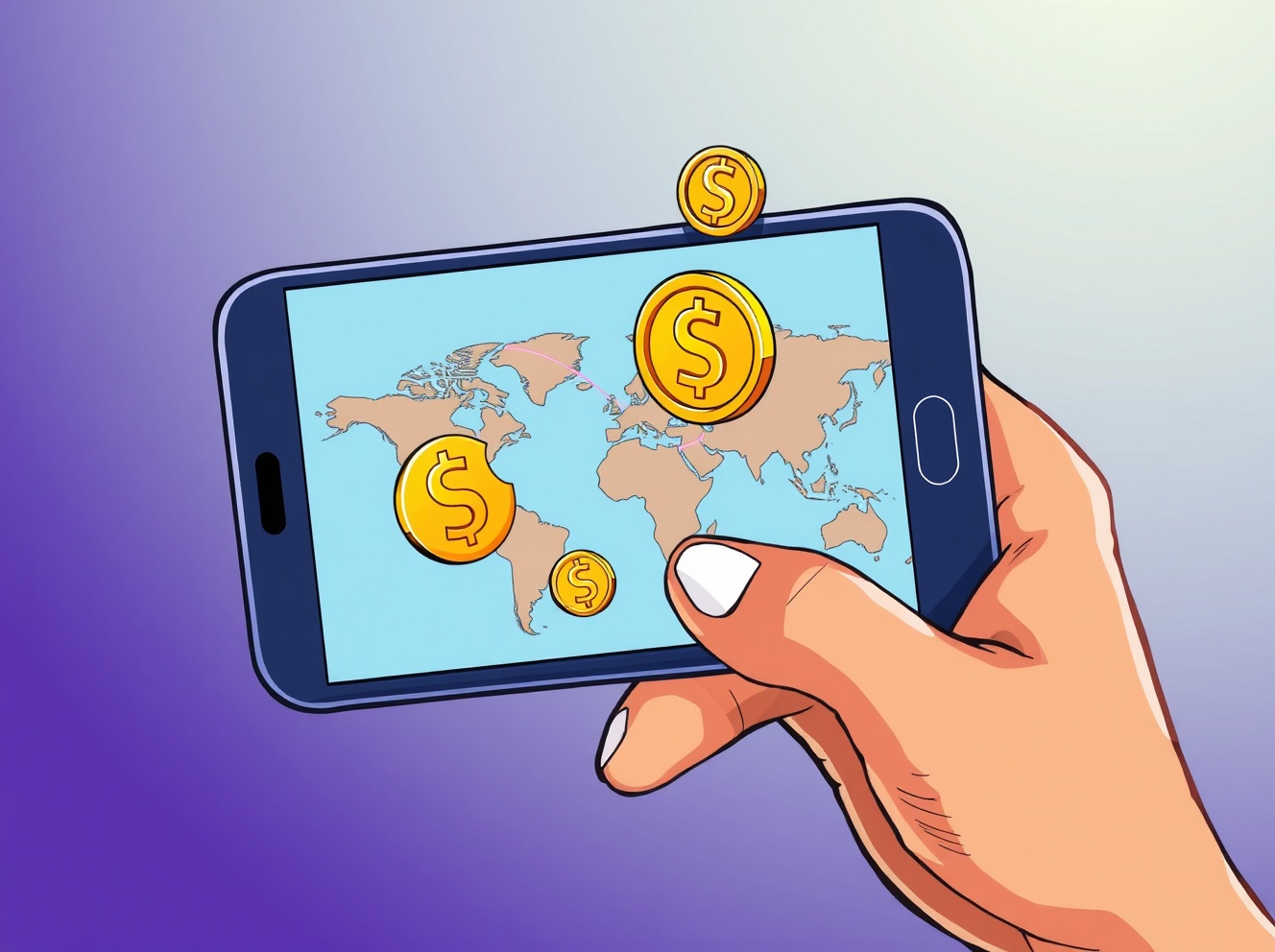
MoneyGram Stablecoins: Unlocking Revolutionary Global Remittances

A significant and exciting shift is underway in the world of global money transfers. Remittance giant MoneyGram has announced a groundbreaking move, introducing support for dollar stablecoins and leveraging advanced blockchain payment rails. This exciting development, which kicks off in Colombia, promises to reshape how individuals send and receive money across borders. MoneyGram’s new app now integrates popular stablecoins like USDC, along with the Stellar blockchain and Crossmint, paving the way for more efficient and accessible international transactions. This strategic pivot by MoneyGram into the realm of MoneyGram stablecoins marks a pivotal moment for both the remittance industry and the broader adoption of digital currencies.

What Does MoneyGram’s Stablecoin Integration Mean for You?

For millions worldwide, sending money home or receiving funds from abroad has often been a costly and time-consuming process. MoneyGram’s latest initiative directly addresses these pain points. By embracing dollar stablecoins, MoneyGram is tapping into the inherent advantages of blockchain technology.

  • Faster Transactions: Traditional bank transfers can take days. Stablecoin transactions often settle in minutes.
  • Lower Fees: Blockchain networks can reduce the overhead associated with cross-border payments, potentially leading to lower costs for users.
  • Increased Accessibility: For those without traditional bank accounts, stablecoins offer a new pathway to financial services.

The initial launch in Colombia is a strategic move, targeting a region with high remittance volumes. The support for USDC, a widely used and reputable stablecoin, ensures a reliable digital dollar experience. Partnering with Stellar provides a robust and scalable blockchain infrastructure, while Crossmint likely facilitates the on-ramp and off-ramp processes, making it easier for users to convert local currency to stablecoins and vice-versa. This integration makes MoneyGram stablecoins a compelling option.

How Do MoneyGram Stablecoins Revolutionize Remittances?

The integration of MoneyGram stablecoins isn’t just an incremental improvement; it represents a fundamental change in how global remittances operate. Think about the current system: multiple intermediaries, varying exchange rates, and business hours limitations. Stablecoins bypass many of these hurdles, offering a more direct and efficient path.

Here’s how this technology is set to transform the landscape:

  • 24/7 Availability: Blockchain networks never sleep, meaning transactions can be initiated and received at any time, day or night.
  • Transparency: Transactions on a public blockchain are verifiable, offering a new level of transparency compared to opaque traditional systems.
  • Reduced Friction: By streamlining the payment process, MoneyGram can offer a smoother, more user-friendly experience.

This move positions MoneyGram at the forefront of financial innovation, demonstrating a commitment to leveraging cutting-edge technology to serve its global customer base better. The focus on dollar stablecoins ensures that users benefit from the stability of the U.S. dollar while enjoying the efficiency of blockchain technology.

Are There Any Challenges for MoneyGram Stablecoins to Overcome?

While the potential benefits of MoneyGram stablecoins are immense, there are certainly challenges to navigate. Widespread adoption will depend on several factors that MoneyGram will need to address proactively.

Key considerations include:

  • Regulatory Landscape: The regulatory environment for cryptocurrencies and stablecoins is still evolving globally. MoneyGram will need to ensure compliance across all operating jurisdictions, which can be complex.
  • User Education: Many users may be unfamiliar with stablecoins and blockchain. Educating customers on how to use the new service safely and effectively will be crucial for broader acceptance.
  • Market Volatility Perception: While stablecoins are designed to maintain a peg to a fiat currency, the broader cryptocurrency market’s volatility can sometimes create apprehension among new users. MoneyGram will need to clearly communicate the stability of dollar-backed stablecoins.

Overcoming these hurdles will require clear communication, robust security measures, and a commitment to adapting to changing market and regulatory conditions. MoneyGram’s established reputation and extensive network, however, provide a strong foundation for addressing these challenges head-on and fostering trust in MoneyGram stablecoins.

What’s Next for MoneyGram Stablecoins and Global Payments?

The launch in Colombia is just the beginning. MoneyGram has expressed clear intentions for future expansion to other countries, signaling a broader strategy to integrate dollar stablecoins into its global remittance network. This expansion could have profound implications for financial inclusion, particularly in regions where traditional banking infrastructure is limited or expensive.

As MoneyGram continues to roll out this service, we can expect to see:

  • Increased Competition: Other remittance providers may follow suit, accelerating the adoption of blockchain-based payment solutions across the industry.
  • Technological Advancements: Further innovation in stablecoin technology and blockchain interoperability could emerge, enhancing the user experience.
  • Greater Financial Inclusion: By making remittances more affordable and accessible, MoneyGram stablecoins can empower individuals and communities worldwide, fostering economic growth.

This initiative represents a bold step forward, positioning MoneyGram not just as a traditional remittance provider but as a leader in the future of global digital payments. The journey of MoneyGram stablecoins will undoubtedly be one to watch closely as it unfolds.

In conclusion, MoneyGram’s embrace of dollar-backed stablecoins marks a significant milestone in the evolution of global remittances. By offering faster, potentially cheaper, and more accessible cross-border payments, this initiative has the power to truly transform lives, starting with Colombia and expanding globally. It’s a clear signal that traditional financial services are increasingly recognizing the undeniable potential of blockchain technology and digital assets to build a more inclusive and efficient financial future. The advent of MoneyGram stablecoins is set to redefine how we think about international money transfers.

Frequently Asked Questions (FAQs)

What are dollar stablecoins?

Dollar stablecoins are a type of cryptocurrency designed to maintain a stable value, typically pegged 1:1 with the U.S. dollar. This stability makes them suitable for transactions, as their value doesn’t fluctuate wildly like other cryptocurrencies.

Which stablecoins does MoneyGram support?

MoneyGram’s new service supports USDC (USD Coin), a widely recognized and reputable dollar-backed stablecoin. It also leverages the Stellar blockchain for its payment rails and Crossmint for facilitating transactions.

Where is MoneyGram’s stablecoin service available first?

The new MoneyGram service supporting dollar stablecoins will launch first in Colombia, with plans for future expansion to other countries globally.

What are the main benefits of using stablecoins for remittances?

The primary benefits include faster transaction speeds (often minutes instead of days), potentially lower transfer fees compared to traditional methods, and increased accessibility for individuals who may not have traditional bank accounts.

Is it safe to use stablecoins for money transfers?

Yes, reputable dollar stablecoins like USDC are designed for stability and backed by reserves. MoneyGram’s integration means these transactions are handled within their established and secure app environment, aiming to provide a safe and reliable service.

If you found this article insightful, please share it with your network! Help us spread the word about the exciting advancements MoneyGram is bringing to global remittances. Your shares help others discover the future of money transfers and the power of MoneyGram stablecoins.

To learn more about the latest explore our article on key developments shaping stablecoins and their institutional adoption.

This post MoneyGram Stablecoins: Unlocking Revolutionary Global Remittances first appeared on BitcoinWorld.

Market Opportunity
Threshold Logo
Threshold Price(T)
$0.009046
$0.009046$0.009046
+0.56%
USD
Threshold (T) Live Price Chart
Disclaimer: The articles reposted on this site are sourced from public platforms and are provided for informational purposes only. They do not necessarily reflect the views of MEXC. All rights remain with the original authors. If you believe any content infringes on third-party rights, please contact service@support.mexc.com for removal. MEXC makes no guarantees regarding the accuracy, completeness, or timeliness of the content and is not responsible for any actions taken based on the information provided. The content does not constitute financial, legal, or other professional advice, nor should it be considered a recommendation or endorsement by MEXC.

You May Also Like

Wormhole launches reserve tying protocol revenue to token

Wormhole launches reserve tying protocol revenue to token

The post Wormhole launches reserve tying protocol revenue to token appeared on BitcoinEthereumNews.com. Wormhole is changing how its W token works by creating a new reserve designed to hold value for the long term. Announced on Wednesday, the Wormhole Reserve will collect onchain and offchain revenues and other value generated across the protocol and its applications (including Portal) and accumulate them into W, locking the tokens within the reserve. The reserve is part of a broader update called W 2.0. Other changes include a 4% targeted base yield for tokenholders who stake and take part in governance. While staking rewards will vary, Wormhole said active users of ecosystem apps can earn boosted yields through features like Portal Earn. The team stressed that no new tokens are being minted; rewards come from existing supply and protocol revenues, keeping the cap fixed at 10 billion. Wormhole is also overhauling its token release schedule. Instead of releasing large amounts of W at once under the old “cliff” model, the network will shift to steady, bi-weekly unlocks starting October 3, 2025. The aim is to avoid sharp periods of selling pressure and create a more predictable environment for investors. Lockups for some groups, including validators and investors, will extend an additional six months, until October 2028. Core contributor tokens remain under longer contractual time locks. Wormhole launched in 2020 as a cross-chain bridge and now connects more than 40 blockchains. The W token powers governance and staking, with a capped supply of 10 billion. By redirecting fees and revenues into the new reserve, Wormhole is betting that its token can maintain value as demand for moving assets and data between chains grows. This is a developing story. This article was generated with the assistance of AI and reviewed by editor Jeffrey Albus before publication. Get the news in your inbox. Explore Blockworks newsletters: Source: https://blockworks.co/news/wormhole-launches-reserve
Share
BitcoinEthereumNews2025/09/18 01:55
UK and US Seal $42 Billion Tech Pact Driving AI and Energy Future

UK and US Seal $42 Billion Tech Pact Driving AI and Energy Future

The post UK and US Seal $42 Billion Tech Pact Driving AI and Energy Future appeared on BitcoinEthereumNews.com. Key Highlights Microsoft and Google pledge billions as part of UK US tech partnership Nvidia to deploy 120,000 GPUs with British firm Nscale in Project Stargate Deal positions UK as an innovation hub rivaling global tech powers UK and US Seal $42 Billion Tech Pact Driving AI and Energy Future The UK and the US have signed a “Technological Prosperity Agreement” that paves the way for joint projects in artificial intelligence, quantum computing, and nuclear energy, according to Reuters. Donald Trump and King Charles review the guard of honour at Windsor Castle, 17 September 2025. Image: Kirsty Wigglesworth/Reuters The agreement was unveiled ahead of U.S. President Donald Trump’s second state visit to the UK, marking a historic moment in transatlantic technology cooperation. Billions Flow Into the UK Tech Sector As part of the deal, major American corporations pledged to invest $42 billion in the UK. Microsoft leads with a $30 billion investment to expand cloud and AI infrastructure, including the construction of a new supercomputer in Loughton. Nvidia will deploy 120,000 GPUs, including up to 60,000 Grace Blackwell Ultra chips—in partnership with the British company Nscale as part of Project Stargate. Google is contributing $6.8 billion to build a data center in Waltham Cross and expand DeepMind research. Other companies are joining as well. CoreWeave announced a $3.4 billion investment in data centers, while Salesforce, Scale AI, BlackRock, Oracle, and AWS confirmed additional investments ranging from hundreds of millions to several billion dollars. UK Positions Itself as a Global Innovation Hub British Prime Minister Keir Starmer said the deal could impact millions of lives across the Atlantic. He stressed that the UK aims to position itself as an investment hub with lighter regulations than the European Union. Nvidia spokesman David Hogan noted the significance of the agreement, saying it would…
Share
BitcoinEthereumNews2025/09/18 02:22
ZK-powered Bitcoin Layer 2 Citrea launches mainnet

ZK-powered Bitcoin Layer 2 Citrea launches mainnet

Citrea uses a zero-knowledge Ethereum Virtual Machine to inscribe its chain history on the Bitcoin base layer.
Share
Coinstats2026/01/27 22:01