Cardano(ADA) vs Ethereum(ETH): Comparing Two Leading Smart Contract Platforms
TL;DR
- Cardano vs. Ethereum: Cardano and Ethereum are both smart contract platforms but differ in consensus mechanisms, scalability, and governance models.
- Key Differences: Ethereum uses Proof-of-Work (PoW) and is transitioning to Proof-of-Stake (PoS), whereas Cardano has been built from the ground up using Proof-of-Stake (Ouroboros).
- Cardano’s Advantages: Cardano offers scalability, sustainability, and peer-reviewed research, giving it an edge in security and energy efficiency.
- Ethereum’s Strengths: Ethereum has a mature ecosystem, developer tools, and widespread adoption, making it the leader in decentralized applications.
Introduction
1.Consensus Mechanisms: PoW vs. PoS
Ethereum: Proof-of-Work (PoW) to Proof-of-Stake (PoS)
Cardano: Ouroboros Proof-of-Stake (PoS)
2.Scalability: Ethereum’s Layer 2 vs. Cardano’s Two-Layer System
Ethereum: Layer 2 Scaling Solutions
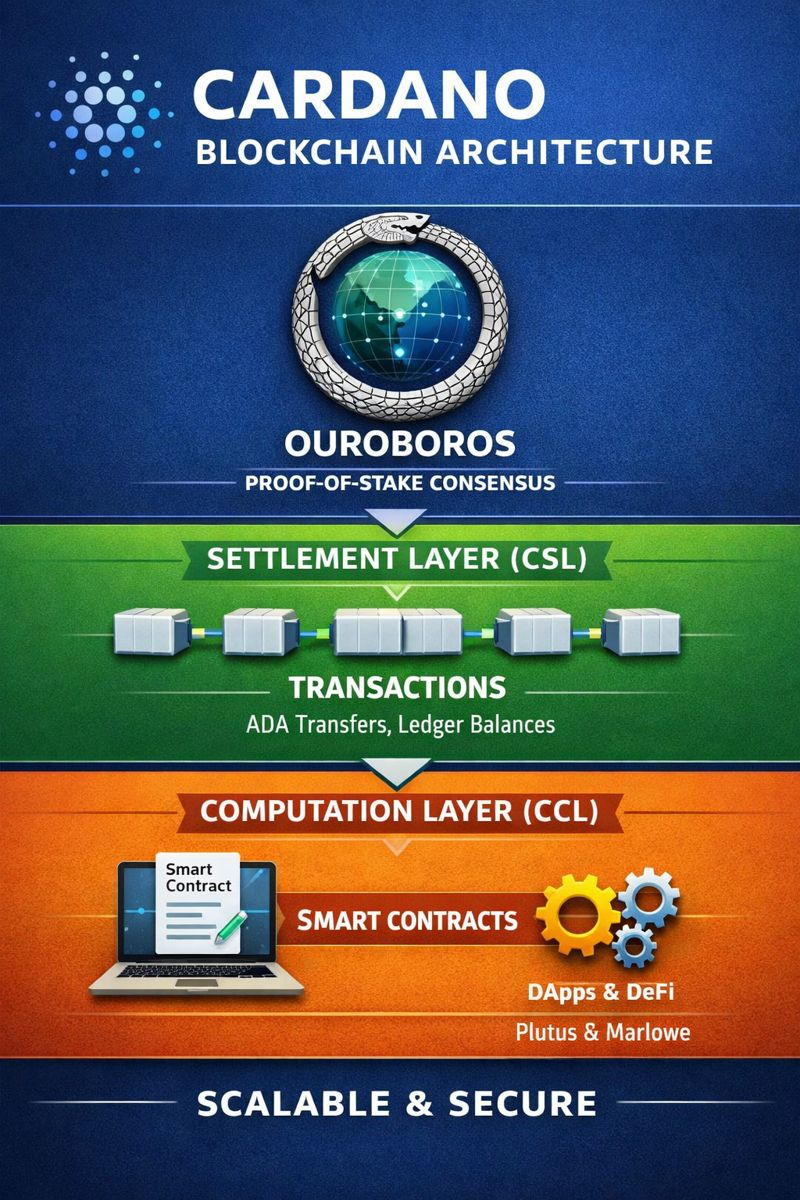
Cardano: Dual-Layer Architecture
- Settlement Layer (CSL): This layer handles ADA transactions (similar to Bitcoin).
- Computation Layer (CCL): This layer handles smart contracts and decentralized applications (dApps), like Ethereum.
3.Smart Contracts: Ethereum’s Mature Ecosystem vs. Cardano’s Growing Potential
Ethereum: Smart Contracts and dApps
Cardano: Alonzo and Smart Contracts
4.Governance: Decentralized Decision Making
Ethereum: On-Chain Governance via Ethereum Improvement Proposals (EIPs)
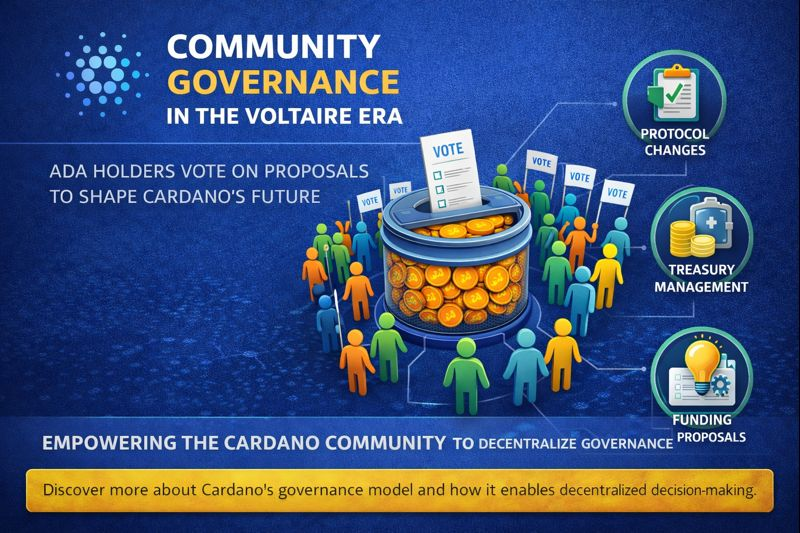
Cardano: Voltaire and Community Governance
5.Environmental Impact: Energy Efficiency
Ethereum: PoW’s Environmental Costs
Cardano: Energy-Efficient Proof-of-Stake
6.Is ADA Better than ETH?
- Ethereum is currently the dominant blockchain for dApps, with a more mature ecosystem and extensive adoption. It’s the go-to platform for DeFi, NFTs, and smart contracts.
- Cardano, while still in its early stages in terms of ecosystem adoption, offers greater scalability, energy efficiency, and decentralized governance. Its focus on scientifically backed development gives it a strong edge for long-term growth.
7.FAQ Section
8.Conclusion
Popular Articles
Who is Charles Hoskinson? Cardano Founder Background & Vision
Charles Hoskinson is a prominent figure in the cryptocurrency space, best known as the co-founder of Ethereum and the founder of Cardano. Hoskinson has played a significant role in shaping the future
Cardano vs Solana: Key Differences in Architecture & Design Philosophy
When it comes to blockchain technology, two projects often discussed in the same breath are Cardano (ADA) and Solana (SOL). Both are third-generation blockchains designed to address the scalability an
Cardano Price Analysis: Understanding ADA's Market Cap & Price Potential
As Cardano’s ADA continues to grow in the crypto space, one question often arises: Can ADA reach $10? While thecryptocurrency market is known for its volatility, understanding market cap and price pre
The Rise of CommerceFi: Why Crypto Payments Are Going Mainstream
Crypto cycles are predictable. A new infrastructure wave arrives. Liquidity pours into Layer 1 ecosystems. A token meta monopolizes attention. Eventually the narrative burns out and the market looks f
Hot Crypto Updates
View More
Cardano (ADA) Latest Price: Fresh Market Updates
The crypto market changes minute by minute, and the latest Cardano (ADA) price offers the most up-to-date snapshot of its value. In this article, we highlight the newest movements, fresh data from
Cardano (ADA) Bullish Price Prediction
Introduction to Bullish ADA Outlook Optimistic investors often look to bullish price predictions for Cardano (ADA) to identify the coin's growth potential during favorable market cycles. A bullish
Cardano (ADA) Price Prediction: Market Forecast and Analysis
Understanding the price prediction of Cardano (ADA) gives traders and investors a forward-looking perspective on potential market trends. Cardano price predictions aren't guarantees, but they provide
Cardano (ADA) 7-day Price Change
The latest Cardano (ADA) price has shown significant movement over the past week. In this article, we'll examine its current price, 7-day performance, and the market factors shaping ADA's trend.
Trending News
View More
Cardano Founder Unveils Logan Update: 8 Powerful New Integrations Explained
Cardano founder Charles Hoskinson has unveiled an update for the Logan AI agent, adding token analytics and a blockchain explorer. Other upgrades include CSWAP,

Cardano Founder Announces 32 New Tools, ADA Drops Out of Top 1
Cardano’s ADA has dropped out of the top 10 cryptocurrencies following a sharp selloff as Hoskinson announced a major Logan AI upgrade. The post Cardano Founder
ADA Price Prediction: Oversold Cardano Targets $0.31-$0.35 Recovery by March 2026
ADA trades at $0.28 with RSI at 29.48 signaling oversold conditions. Technical analysis suggests potential bounce to $0.31-$0.35 range within 4 weeks as momentum
Cardano Price Prediction: Is ADA Coin a Good Investment?
Analytics believes that by the end of 2030, the price of ADA сrypto may rise to $15 (+5,000%). The post Cardano Price Prediction: Is ADA Coin a Good Investment?
Related Articles
Who is Charles Hoskinson? Cardano Founder Background & Vision
Charles Hoskinson is a prominent figure in the cryptocurrency space, best known as the co-founder of Ethereum and the founder of Cardano. Hoskinson has played a significant role in shaping the future
Cardano vs Solana: Key Differences in Architecture & Design Philosophy
When it comes to blockchain technology, two projects often discussed in the same breath are Cardano (ADA) and Solana (SOL). Both are third-generation blockchains designed to address the scalability an
Cardano Price Analysis: Understanding ADA's Market Cap & Price Potential
As Cardano’s ADA continues to grow in the crypto space, one question often arises: Can ADA reach $10? While thecryptocurrency market is known for its volatility, understanding market cap and price pre
The Rise of CommerceFi: Why Crypto Payments Are Going Mainstream
Crypto cycles are predictable. A new infrastructure wave arrives. Liquidity pours into Layer 1 ecosystems. A token meta monopolizes attention. Eventually the narrative burns out and the market looks f