

PCA warns of coco industry impact if biofuel blending rules suspended
THE Philippine Coconut Authority (PCA) said proposals to suspend biodiesel blending requirement will have a negative impact on coconut oil prices, to the detriment of farmers and oil mills.
In a statement Thursday, the PCA said: “Any suspension or displacement of CME (coco methyl ester) in favor of imported palm methyl ester (PME) will likely redirect domestic supply to lower-priced export markets, thereby exerting downward pressure on copra and coconut oil prices.”
The PCA also said a reduction in the use of domestically-produced CME could undermine the viability of 14 domestic production facilities and threaten jobs.
Instead of fully suspending the use of CME in the diesel blend, the PCA advocated for an adjustment in the biodiesel blend, from the current 3% (known as B3) to possibly 2%, or even the retention of the 3% level.
By being blended into fuels like diesel, CME adds to the cost at retail level. CME is also more expensive than PME because the palm oil industry is more efficient and industrialized than the Philippine coconut industry.
The PCA offered no objection to deferring the required increase in the biodiesel blend to 5%.
On Monday, the House of Representatives approved a bill allowing the suspension of mandatory biofuel blending for up to one year if blended fuel prices become at least 5% costlier than unblended fuel.
Tthe Biofuels Act of 2006 requires that all liquid fuels sold in the Philippines for use in motors and engines be blended with biofuels. — Vonn Andrei E. Villamiel
Potrebbe anche piacerti

Tips to Optimise Particle Size Distribution in Milling
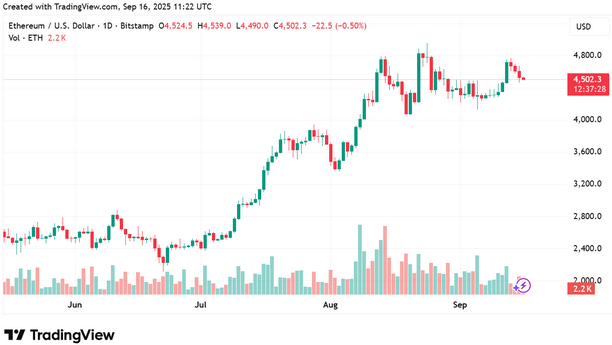
Ethereum Price Prediction: ETH Targets $10,000 In 2026 But Layer Brett Could Reach $1 From $0.0058

