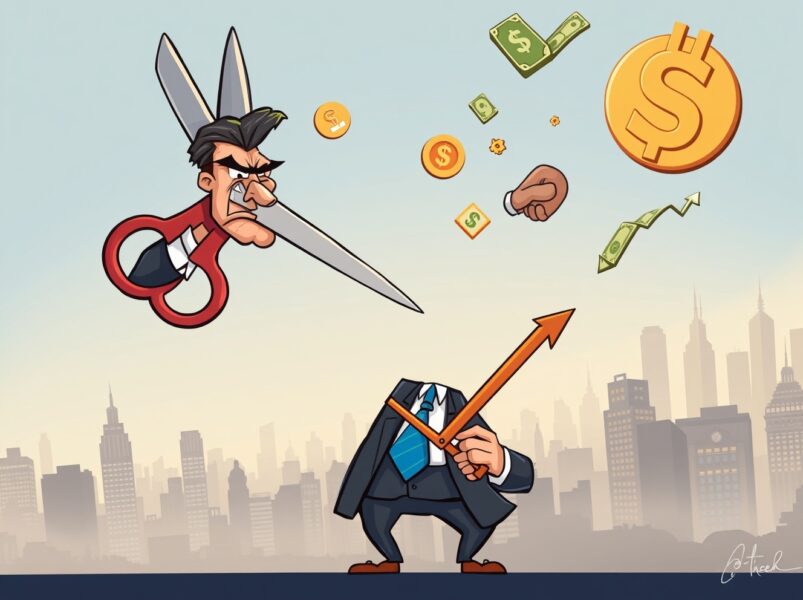
Hyperliquid just turned one, and the story feels almost unreal. No VCs, no pre-mine, no hype machine.Hyperliquid just turned one, and the story feels almost unreal. No VCs, no pre-mine, no hype machine.

Hyperliquid Turns One: The Quietest $10B+ Crypto Empire

On November 29, 2025, Hyperliquid celebrated the first anniversary of its Token Generation Event. In just 365 days, a team of eleven people built what is now arguably the most profitable and efficient trading venue in the history of finance, crypto or otherwise. No venture capital, no pre-mine, no marketing budget, just code, transparency, and an almost religious focus on aligning incentives with users.What they achieved in one year feels like fiction.

From Zero to $9.5 Billion Airdrop – The Largest in Crypto History

When Hyperliquid launched its HYPE token in late November 2024, it airdropped 31% of the total supply to early users and points earners. One year later, that airdrop is worth approximately $9.5 billion at current prices, surpassing every previous community distribution (Jito, Celestia, Uniswap, and even early Bitcoin miners) combined).Unlike most airdrops that are immediately dumped, HYPE’s tokenomics were engineered to reward long-term holders and the protocol itself:

  • 97% of all trading revenue is used to buy back and burn (or redistribute) HYPE.
  • Team tokens vested linearly with zero sales observed during the first major unlock of 1.75 million tokens.
  • No investor tokens, no preferential allocations.

The result? A flywheel that turned early adopters into multi-millionaires while keeping downward sell pressure almost nonexistent.

Want to start trading on Hyperliquid and get a bonus?
🔗 Click here to get started

$1.3 Billion Annualized Revenue with an 11-Person Team

According to DeFiLlama and Token Terminal data, Hyperliquid is currently generating between $1 billion and $1.3 billion in annualized protocol revenue, almost entirely from perpetual futures trading fees.That works out to roughly $106–118 million in revenue per employee, shattering every known record in both crypto and traditional finance. For context:

  • Jane Street (2023): ~$7–8 million revenue per employee
  • Citadel Securities: ~$10–12 million
  • Binance (peak 2021): ~$25–30 million

Hyperliquid is running at 4–10× the per-employee efficiency of the most elite proprietary trading firms on Earth, while remaining fully on-chain and non-custodial.

Built in Public, Attacked in Public, Survived in Public

Few projects have faced as much high-profile skepticism as Hyperliquid. In early 2025, Binance CEO Richard Teng (CZ’s successor) publicly questioned the sustainability of Hyperliquid’s model and hinted at “unsustainable economics.” The market briefly dipped, then proceeded to 10× from those levels as volume and revenue continued climbing.Other milestones that silenced critics:

  • Processed over $330 billion in cumulative trading volume.
  • Launched HIP-3, the first fully on-chain equities perpetuals (Tesla, Apple, Nvidia, etc.) with permissionless listing.
  • Never had a liquidation engine failure or insurance fund drawdown, even during extreme volatility events.
  • Remained completely unaudited yet gained trust through radical transparency (every trade, every fee, every buyback verifiable on-chain in real time).

Why This Feels Different From Another Planet

Most crypto projects spend their first year begging for liquidity, paying influencers, and praying for listings. Hyperliquid spent it shipping:

  • HyperEVM (an EVM-compatible chain optimized for trading)
  • Native USDC bridging with Circle
  • A spot engine, perps engine, and now equities, all in one order book
  • Zero downtime, zero exploits, zero drama

They didn’t just build another DEX. They built a venue that institutions now quietly route billions through because spreads are tighter and execution is more reliable than many centralized alternatives.

What Year Two Might Look Like

With $1–1.3 billion in cash flow, a war chest of bought-back HYPE, and a team that has shown monk-like discipline, speculation is already turning to 2026:

  • Potential expansion into on-chain options and prediction markets
  • RWA tokenization and 24/7 equities trading
  • Possible Hyperliquid L1 scaling solutions
  • Further revenue-sharing or staking mechanisms

Whatever comes next, one thing is clear: in an industry littered with fallen giants (FTX, Celsius, Terra, etc.), Hyperliquid has done something rare, earn trust the hard way, one block at a time.Eleven people. One year. Ten-digit revenue.The quietest revolution in crypto just turned one, and it’s only getting started.

Markkinamahdollisuus
Hyperliquid-logo
Hyperliquid – hinta (HYPE)
$27.67
$27.67$27.67
+1.35%
USD
Reaaliaikainen Hyperliquid (HYPE) -hintakaavio
Vastuuvapauslauseke: Tällä sivustolla uudelleenjulkaistut artikkelit ovat peräisin julkisilta alustoilta ja ne on tarkoitettu vain tiedoksi. Ne eivät välttämättä heijasta MEXCin näkemyksiä. Kaikki oikeudet pysyvät alkuperäisillä tekijöillä. Jos uskot, että jokin sisältö loukkaa kolmansien osapuolten oikeuksia, lähetä sähköpostia osoitteeseen service@support.mexc.com sisällön poistamiseksi. MEXC ei takaa sisällön oikeellisuutta, täydellisyyttä tai ajantasaisuutta eikä ole vastuussa toimista, jotka tehdään annettujen tietojen perusteella. Sisältö ei ole taloudellista, oikeudellista tai muuta ammatillista neuvontaa, eikä sitä tule pitää MEXCin suosituksena tai kannanottona.

Saatat pitää myös näistä

Crucial Insights: Two Fed Interest Rate Cuts on the Horizon?
Crucial Insights: Two Fed Interest Rate Cuts on the Horizon?

BitcoinWorld Crucial Insights: Two Fed Interest Rate Cuts on the Horizon? The financial world is buzzing with discussions around the future of monetary policy, and a recent statement from a key Federal Reserve official has added fuel to the fire. Investors, businesses, and consumers alike are keenly watching for signals regarding potential Fed interest rate cuts and their broader economic implications. What’s Driving Talk of Fed Interest Rate Cuts? Neel Kashkari, the president of the Minneapolis Federal Reserve Bank, recently made headlines by stating his belief that two additional Fed interest rate cuts would be appropriate this year. This isn’t the first time Kashkari has shared this perspective; he expressed a similar view back in August. His comments offer a glimpse into the ongoing internal debates and varying outlooks among policymakers regarding the optimal path for the nation’s economy. Understanding the context behind such statements is crucial. The Federal Reserve uses interest rates as a primary tool to manage inflation and support employment. When inflation is high, the Fed typically raises rates to cool down economic activity. Conversely, when economic growth slows or inflation targets are met, the Fed might consider cutting rates to stimulate spending and investment. How Do Fed Interest Rate Cuts Impact You? The prospect of Fed interest rate cuts carries significant weight for everyone. For instance, lower interest rates generally translate to: Cheaper Borrowing: Mortgages, car loans, and credit card interest rates can decrease, making it more affordable for consumers to borrow money. This can encourage home buying and larger purchases. Business Investment: Companies find it less expensive to borrow for expansion, new projects, and hiring, potentially boosting economic growth and job creation. Stock Market Performance: Lower rates can make bonds less attractive, pushing investors towards stocks, which might see increased valuations. This can also signal a more optimistic economic outlook. Savings Account Returns: On the flip side, interest rates on savings accounts and Certificates of Deposit (CDs) might also fall, offering lower returns for savers. These ripple effects touch various sectors, from housing to retail, and even extend into the cryptocurrency markets, where investor sentiment is often influenced by broader economic conditions and liquidity. Navigating the Economic Landscape: Why Are Policymakers Divided on Fed Interest Rate Cuts? While some policymakers, like Kashkari, see the appropriateness of multiple Fed interest rate cuts, others may hold different views. The Federal Reserve’s decisions are complex, balancing the need to control inflation with the goal of maintaining maximum employment. Key factors influencing these decisions include: Inflation Data: The pace at which inflation is returning to the Fed’s 2% target is a primary concern. Sustained progress is needed. Employment Figures: A strong job market might give the Fed more leeway to keep rates higher for longer, whereas signs of weakness could prompt cuts. Global Economic Conditions: International economic trends and geopolitical events can also influence the Fed’s domestic policy decisions. Market Expectations: The Fed also considers how financial markets are pricing in future rate movements, aiming to avoid undue volatility. The path forward is rarely straightforward, and the Fed’s approach is often described as data-dependent, meaning decisions can shift as new economic information becomes available. The Outlook for Future Fed Interest Rate Cuts Kashkari’s consistent view on two Fed interest rate cuts this year provides an important perspective, but it’s essential to remember that he is one voice among many on the Federal Open Market Committee (FOMC). The committee as a whole determines monetary policy through a consensus-driven process. As the year progresses, market participants will be closely monitoring upcoming inflation reports, employment data, and official Fed statements for further clarity. The timing and magnitude of any potential rate adjustments will significantly shape the economic environment, influencing everything from investment strategies to everyday household budgets. In summary: Neel Kashkari’s consistent advocacy for two Fed interest rate cuts this year highlights a potential shift in monetary policy. These cuts, if they materialize, could offer relief to borrowers, stimulate economic activity, and impact various markets. However, the ultimate decision rests with the broader Federal Reserve committee, which weighs a multitude of economic indicators before acting. Frequently Asked Questions (FAQs) Q1: What does it mean when the Fed cuts interest rates? When the Federal Reserve cuts interest rates, it generally means they are reducing the cost for banks to borrow money. This, in turn, often leads to lower interest rates for consumers and businesses on loans like mortgages, car loans, and credit cards, aiming to stimulate economic activity. Q2: Why would the Fed consider two Fed interest rate cuts this year? The Fed might consider two interest rate cuts if they believe inflation is consistently moving towards their 2% target, or if there are signs of slowing economic growth that could benefit from stimulation. Policymakers like Kashkari may feel the current rates are too restrictive given the economic outlook. Q3: How quickly do Fed interest rate cuts affect the economy? The effects of Fed interest rate cuts can be seen relatively quickly in financial markets, but they typically take several months to fully filter through to the broader economy, impacting consumer spending, business investment, and inflation. Q4: Will Fed interest rate cuts impact my cryptocurrency investments? While not a direct impact, Fed interest rate cuts can indirectly affect cryptocurrency markets. Lower traditional interest rates might make riskier assets like cryptocurrencies more attractive to investors seeking higher returns. Additionally, a more liquid and stimulated economy can sometimes boost overall market sentiment, benefiting crypto assets. Q5: Who is Neel Kashkari? Neel Kashkari is the president of the Federal Reserve Bank of Minneapolis. He is one of the twelve regional Federal Reserve Bank presidents who contribute to the Federal Open Market Committee (FOMC) discussions, which set the nation’s monetary policy. Did you find this article insightful? Share your thoughts and help others understand the potential impact of future Fed decisions! You can share this article on your favorite social media platforms. To learn more about the latest crypto market trends, explore our article on key developments shaping Bitcoin price action. This post Crucial Insights: Two Fed Interest Rate Cuts on the Horizon? first appeared on BitcoinWorld.
Jaa
Coinstats2025/09/19 19:35
US Senators Introduce SAFE Crypto Act to Target Rising Crypto Scams

US Senators Introduce SAFE Crypto Act to Target Rising Crypto Scams

The post US Senators Introduce SAFE Crypto Act to Target Rising Crypto Scams appeared first on Coinpedia Fintech News Crypto scams are getting faster, smarter and
Jaa
CoinPedia2025/12/17 18:33
Crypto.com Data Leak Revealed: Hidden Attack Exposed by Bloomberg

Crypto.com Data Leak Revealed: Hidden Attack Exposed by Bloomberg

Bloomberg exposes Crypto.com’s 2023 user data leak. The perpetrators used phishing to access employee accounts, compromising privacy. A data breach that occurred in 2023 at Crypto.com compromised the personal information of its users, according to a disclosure by Bloomberg.  The hacking was planned by a well-known hacker organization known as Scattered Spider.  This team was […] The post Crypto.com Data Leak Revealed: Hidden Attack Exposed by Bloomberg appeared first on Live Bitcoin News.
Jaa
LiveBitcoinNews2025/09/23 03:00