

Data Centers Explode: The Shocking Public Backlash Against America’s AI Infrastructure Boom
BitcoinWorld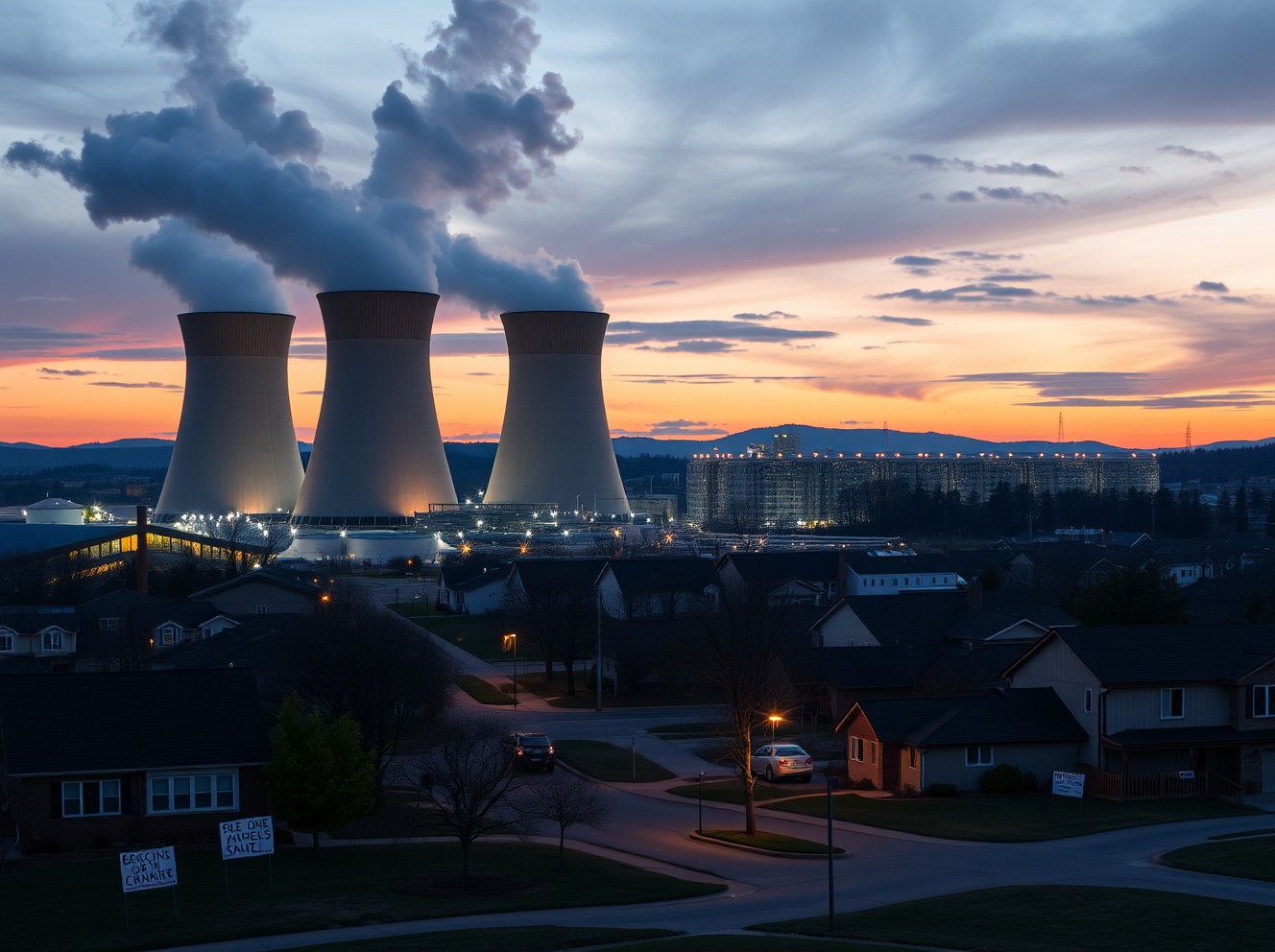
Data Centers Explode: The Shocking Public Backlash Against America’s AI Infrastructure Boom
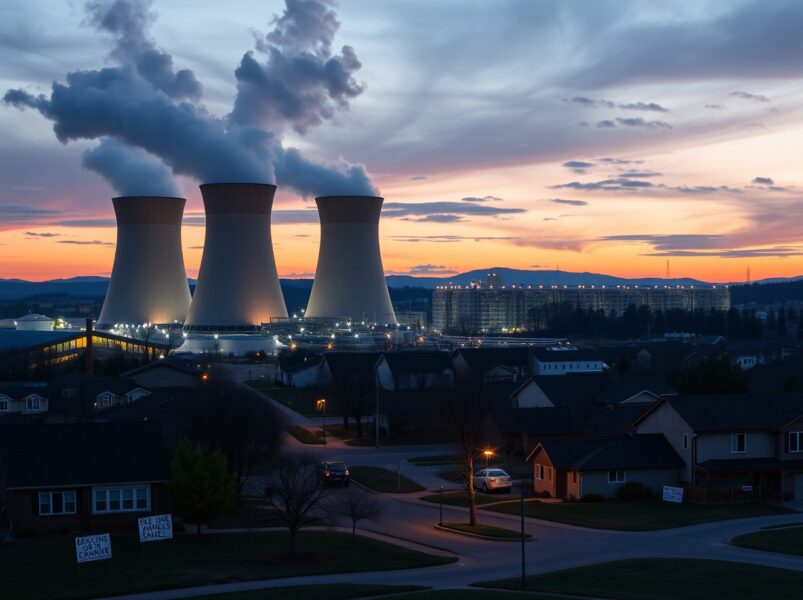
Imagine discovering that a massive, power-hungry facility is planned for your quiet neighborhood—one that could double your electricity bill while serving distant tech corporations. This isn’t science fiction; it’s the reality facing communities across America as data centers transform from invisible internet backbones into controversial neighbors. The explosive growth of artificial intelligence has thrust these once-obscure facilities into the spotlight, sparking a populist uprising that’s reshaping the tech landscape.
Why Are Data Centers Suddenly Everywhere?
The numbers tell a staggering story. Since 2021, construction spending on data centers has skyrocketed 331%, according to US Census Bureau data. Hundreds of billions of dollars are flowing into projects that barely existed on public radar just years ago. This isn’t organic growth—it’s a calculated surge driven by the AI arms race, with every major tech company racing to build the computational infrastructure needed to power tomorrow’s artificial intelligence.
Consider this comparison of data center expansion drivers:
| Driver | Impact | Example |
|---|---|---|
| AI Model Training | Requires 10-100x more computing power than traditional cloud services | OpenAI’s GPT models needing thousands of specialized processors |
| Government Policy | Federal initiatives promoting “re-industrialization” through tech infrastructure | The Trump administration’s Stargate Project announced in January 2025 |
| Corporate Competition | Tech giants fearing being left behind in the AI race | Google, Meta, Microsoft, and Amazon all announcing massive capital expenditures |
| Economic Incentives | Local governments offering tax breaks and subsidies | Communities trading lower tax revenue for promised job creation |
The AI Infrastructure Backlash Goes Mainstream
What began as isolated community concerns has mushroomed into a national movement. Data Center Watch, an organization tracking anti-data center activism, reports 142 different activist groups across 24 states organizing against developments. The concerns are diverse but interconnected:
- Environmental impact: Massive water consumption for cooling and carbon emissions from increased energy use
- Health concerns: Potential effects of electromagnetic fields and noise pollution
- Economic inequality: Public subsidies going to trillion-dollar corporations while communities struggle
- AI ethics: Opposition to how artificial intelligence is being developed and deployed
Danny Candejas, an activist with MediaJustice who has organized multiple protests including one against Elon Musk’s xAI Colossus project in Memphis, told Bitcoin World: “I meet new people every week who want to fight a data center in their community. There’s a very palpable anger around how these projects are prioritized over community needs.”
How Electricity Costs Are Fueling the Fire
Nothing makes an abstract issue concrete like a higher monthly bill. As data centers consume ever-larger portions of regional power grids—some facilities use as much electricity as medium-sized cities—residents are seeing direct impacts on their utility costs. In some regions, electricity prices have surged 20-30% directly attributable to data center demand.
“The connection to everybody’s energy bills going up—that’s what’s made this issue so stark,” Candejas explained. “People are struggling month to month while their local governments give away public funds to incentivize these projects.”
The political implications are significant. Analysts believe rising electricity costs driven by the AI boom could become a decisive issue in the 2026 midterm elections, turning what was once technical infrastructure policy into kitchen-table economics.
Tech Giants Fight Back Against Public Resistance
The industry isn’t taking this backlash lying down. A new trade group, the National Artificial Intelligence Association (NAIA), has begun distributing talking points to Congress members and organizing data center field trips to “better pitch voters on their value.” Companies like Meta are running advertising campaigns highlighting the economic benefits of data centers, including:
- Job creation during construction and operation
- Increased local tax revenue (though often reduced by incentives)
- Attracting other tech businesses to regions
- Positioning communities for future economic opportunities
Meanwhile, the construction surge continues unabated. Major tech companies have announced capital expenditure projections for 2026 that suggest the data center boom has only begun, with AI infrastructure remaining their top investment priority.
When Protests Actually Win: Successful Resistance Movements
Grassroots opposition isn’t just making noise—it’s getting results. Data Center Watch claims approximately $64 billion worth of developments have been blocked or delayed due to community activism. Notable victories include:
- Wisconsin: Local opposition appears to have dissuaded Microsoft from building a 244-acre data center
- Southern California: Imperial Valley filed a lawsuit to overturn county approval of a data center project
- Michigan: Protesters descended on the state capitol declaring “Michiganders do not want data centers in our yards”
- Multiple states: Dozens of local zoning and permit challenges slowing or stopping projects
“All this public pressure is working,” Candejas said optimistically. “More projects are going to be stopped as this movement keeps building.”
The Inevitable Conflict: AI Progress vs. Community Welfare
This tension represents a fundamental clash between two visions of America’s future. On one side: a tech industry and federal government betting that artificial intelligence infrastructure will drive economic dominance in the 21st century. On the other: communities questioning why they should bear the costs—in higher bills, environmental impact, and changed neighborhoods—for benefits that seem to flow primarily to Silicon Valley.
The data center has become the physical embodiment of this conflict. No longer hidden in remote industrial parks, these facilities are increasingly proposed for locations near residential areas, drawn by existing power infrastructure and fiber optic networks. Their very visibility has made them targets for broader frustrations about technology’s role in society.
FAQs: Understanding the Data Center Debate
Which companies are building the most data centers?
The “Big Four”—Google, Meta, Microsoft, and Amazon—are leading the construction surge, along with OpenAI and xAI (founded by Elon Musk).
What is the Stargate Project?
Announced in January 2025, this federal initiative aims to accelerate AI infrastructure development as part of a “re-industrialization of the United States” under the Trump administration.
How much power do data centers use?
A large data center can consume 100-200 megawatts—enough to power 80,000-160,000 homes. The AI-specific facilities require even more power for training complex models.
Who is Danny Candejas?
An activist with the nonprofit MediaJustice who has helped organize multiple protests against data center developments across the United States.
What is Data Center Watch?
An organization that tracks anti-data center activism, currently monitoring 142 activist groups across 24 states opposing various developments.
Conclusion: The Infrastructure Wars Have Just Begun
The year 2025 will be remembered as when data centers stopped being someone else’s problem and started being everyone’s concern. As artificial intelligence transitions from promising technology to economic imperative, the physical infrastructure needed to support it is colliding with the communities asked to host it. The resulting conflict—between global technological ambitions and local quality of life—shows no signs of resolution. If anything, as AI’s computational demands continue growing exponentially, so too will the backlash against the facilities that make it possible. The invisible backbone of the internet has become the visible front line in America’s debate about its technological future.
To learn more about the latest artificial intelligence infrastructure trends, explore our articles on key developments shaping AI deployment and the growing tension between technological progress and community impact.
This post Data Centers Explode: The Shocking Public Backlash Against America’s AI Infrastructure Boom first appeared on BitcoinWorld.
You May Also Like
The most profitable crypto narratives of 2025: RWA and Layer 1 lead the pack, AI and Meme experience significant pullbacks, GameFi and DePIN lead the declines.

Chris Burniske Forecasts Big Changes Coming to Cryptocurrency Market
