Mitsui Garden Hotel Sapporo Reopens with Experience-Led Transformation Strategy
On February 1, 2026, Mitsui Garden Hotel Sapporo reopened after a full transformation led by Mitsui Fudosan Co., Ltd. and Mitsui Fudosan Hotel Management Co., Ltd.
When a Hotel Reopens, Does CX Truly Reset?
Imagine arriving in Sapporo during peak snow season.
Your flight was delayed. Your family is tired. You expect a smooth check-in, a warm bath, and a memorable breakfast.
Instead of friction, you experience flow.
Design feels intentional. Dining feels local. Transportation feels seamless.
That is not renovation. That is experience strategy in action.
On February 1, 2026, Mitsui Fudosan Co., Ltd. and Mitsui Fudosan Hotel Management Co., Ltd. reopened Mitsui Garden Hotel Sapporo after a comprehensive transformation.
This was more than a property refresh. It was a CX system redesign—integrating spatial design, F&B partnerships, and ecosystem experiences across two neighboring hotels.
For CX and EX leaders, this reopening offers a blueprint.
What Is Experience-Led Hotel Transformation and Why CX Leaders Should Care?
Experience-led transformation aligns physical space, service design, partnerships, and brand philosophy into one coherent journey.
It shifts focus from assets to emotions.
Hotels globally face three pressures:
- Rising group and family travel.
- Experience-driven international guests.
- Fragmented digital and physical touchpoints.
The Sapporo relaunch addresses all three.
How Did “Wellness Harmony” Translate Into Tangible CX?
The renovation centered on “WELLNESS HARMONY,” blending local culture, sustainability, and sensory calm into the guest journey.
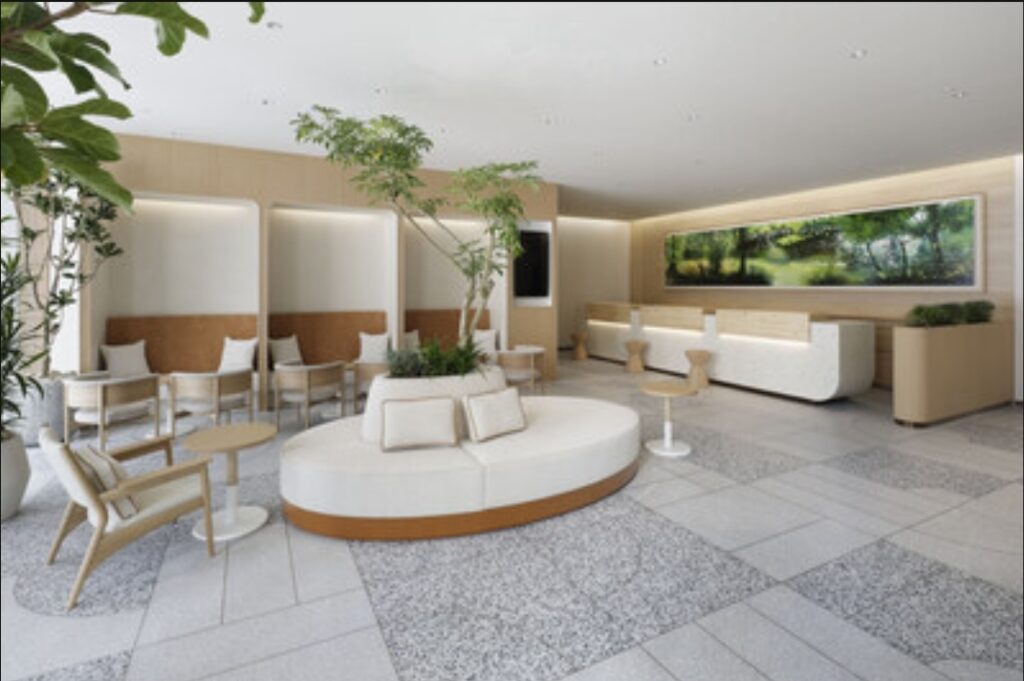
Under the “Stay in the Garden” philosophy of Mitsui Garden Hotels, the hotel embedded Hokkaido’s natural identity into design.
Key elements include:
- Warm wood textures inspired by regional forests.
- Artwork referencing Biei’s Blue Pond.
- Reception counters crafted from thinned wood sourced from Mitsui-owned Hokkaido forests.
This is not aesthetic branding.
It is values operationalized.
For CX leaders, note the alignment:
| Brand Promise | Operational Execution | Emotional Outcome |
|---|---|---|
| Stay in the Garden | Nature-inspired interiors | Calm arrival |
| Sustainability | Locally sourced thinned wood | Responsible pride |
| Local immersion | Hokkaido artwork & signage | Cultural connection |
Experience coherence builds trust.
Why Did Room Reconfiguration Become a Strategic Lever?
Room inventory redesign directly addressed demand shifts toward family and group travel.
The numbers signal intent:
- Triple rooms increased from 20 to 102.
- 38 quadruple rooms added.
- 177 total rooms across 7 types.
This is capacity strategy informed by traveler behavior.
International guests often travel in groups.
Families seek shared accommodation.
Snow Festival season drives multi-night stays.
Room design incorporated Yukara-ori-inspired signage and landscape motifs.
Result: functional efficiency meets cultural immersion.
For CX teams, this demonstrates:
- Demand analytics must inform spatial planning.
- Journey mapping should extend into room configuration decisions.
- EX alignment matters. Staff must adapt to group-check-in flows.
How Did Dining Become a CX Differentiator?
Dining was redesigned as an ecosystem experience, not a hotel add-on.
On reopening day, Sapporo-based Graphic Holdings Co., Ltd. launched two distinct concepts across adjacent properties.
At Mitsui Garden Hotel Sapporo:
Hakko & — Fermentation as Cultural Narrative
Hakko & centers on fermentation.
It features:
- Live kitchen onigiri using Hokkaido-grown Nanatsuboshi rice.
- Miso-based regional dishes.
- Seasonal delicatessen offerings.
At neighboring Mitsui Garden Hotel Sapporo West:
WEST Table — Contemporary Western Breakfast
WEST Table presents Western-style dishes powered by Hokkaido ingredients.
Two hotels. Two identities. One cohesive culinary ecosystem.
This reduces cannibalization while increasing guest choice.
For CX leaders, key insight:
Local partnerships elevate authenticity while distributing operational complexity.
What Makes the Seafood Market Program Strategically Powerful?
The Kita-No-Gourmet breakfast program extends the hotel journey into the city’s economic and cultural core.
Guests can redeem breakfast vouchers at Kita-No-Gourmet, located inside the Sapporo Central Wholesale Market.
They enjoy:
- Fresh sashimi.
- Seafood rice bowls.
- Regional specialties.
A complimentary shuttle removes friction.
This is ecosystem orchestration.
Instead of confining experience inside property walls, the hotel curates the city.
For CX strategists:
- This reduces breakfast fatigue for multi-night stays.
- It deepens destination immersion.
- It builds local economic ties.
It also strengthens brand storytelling tied to Sapporo’s culinary identity.
How Do Public Space Redesigns Impact Journey Flow?
Public spaces influence micro-moments that shape emotional memory.
The renovation included:
- A reimagined lobby lounge with regional artwork.
- A fully upgraded large public bath.
- A new Utility Lounge with coffee, vending machines, laundry, and microwaves.
The Utility Lounge is particularly strategic.
It supports:
- Extended stays.
- Budget-conscious travelers.
- Family convenience.
This is friction removal disguised as amenity.
What CX Framework Explains This Transformation?
Here is a practical model inspired by the reopening:
The 5E Experience Alignment Framework
- Essence – Clarify brand philosophy.
- Environment – Align physical design with values.
- Ecosystem – Build local partnerships.
- Enablement – Remove operational friction.
- Emotion – Measure how guests feel, not just what they rate.
The Sapporo transformation hits all five.
Common Pitfalls in Hospitality Transformations
Many renovations fail because:
- Design decisions ignore demand analytics.
- F&B operates in silos.
- Sustainability claims lack operational proof.
- External experiences lack logistical integration.
Mitsui’s approach avoided these traps through cross-functional alignment.
Key Insights for CX and EX Leaders
- Physical space is a CX tool, not just CapEx.
- Local partnerships can amplify differentiation.
- Room mix is a strategic decision.
- Sustainability must be visible and authentic.
- City integration deepens brand equity.
FAQ
How does hotel renovation improve customer experience?
Renovation improves CX when design, services, and partnerships align with traveler behavior and brand identity.
Why is room configuration important in CX strategy?
Room mix influences occupancy, revenue per guest, and group satisfaction.
What role do local partnerships play in hospitality CX?
They increase authenticity, reduce operational load, and deepen destination immersion.
How can hotels reduce breakfast fatigue for long stays?
By diversifying dining options and integrating off-site culinary experiences.
What metrics should leaders track after reopening?
Track guest emotion scores, repeat stay rates, F&B cross-property adoption, and shuttle utilization.
Actionable Takeaways for CX Leaders
- Audit your physical space against brand promises.
- Reassess room mix using real demand data.
- Build at least one ecosystem partnership per property.
- Design friction-removal lounges for extended stays.
- Diversify F&B concepts across adjacent assets.
- Integrate sustainability visibly into guest touchpoints.
- Measure emotional impact, not just satisfaction.
- Align EX training with new journey flows.
Summary
The reopening of Mitsui Garden Hotel Sapporo is not a renovation story. It is a CX orchestration case study.
It demonstrates how brand philosophy, room strategy, F&B partnerships, and city integration can converge into one seamless journey.
For CXQuest readers navigating siloed teams, AI gaps, or fragmented journeys, this case reinforces a truth:
Experience leadership begins with alignment.
And alignment begins with intentional design.
The post Mitsui Garden Hotel Sapporo Reopens with Experience-Led Transformation Strategy appeared first on CX Quest.
You May Also Like

OurCryptoMiner Introduces USDC Dual Mining Model

Wormhole token soars following tokenomics overhaul, W reserve launch
Wormhole’s native token has had a tough time since launch, debuting at $1.66 before dropping significantly despite the general crypto market’s bull cycle. Wormhole, an interoperability protocol facilitating asset transfers between blockchains, announced updated tokenomics to its native Wormhole (W) token, including a token reserve and more yield for stakers. The changes could affect the protocol’s governance, as staked Wormhole tokens allocate voting power to delegates.According to a Wednesday announcement, three main changes are coming to the Wormhole token: a W reserve funded with protocol fees and revenue, a 4% base yield for staking with higher rewards for active ecosystem participants, and a change from bulk unlocks to biweekly unlocks.“The goal of Wormhole Contributors is to significantly expand the asset transfer and messaging volume that Wormhole facilitates over the next 1-2 years,” the protocol said. According to Wormhole, more tokens will be locked as adoption takes place and revenue filters back to the company.Read more