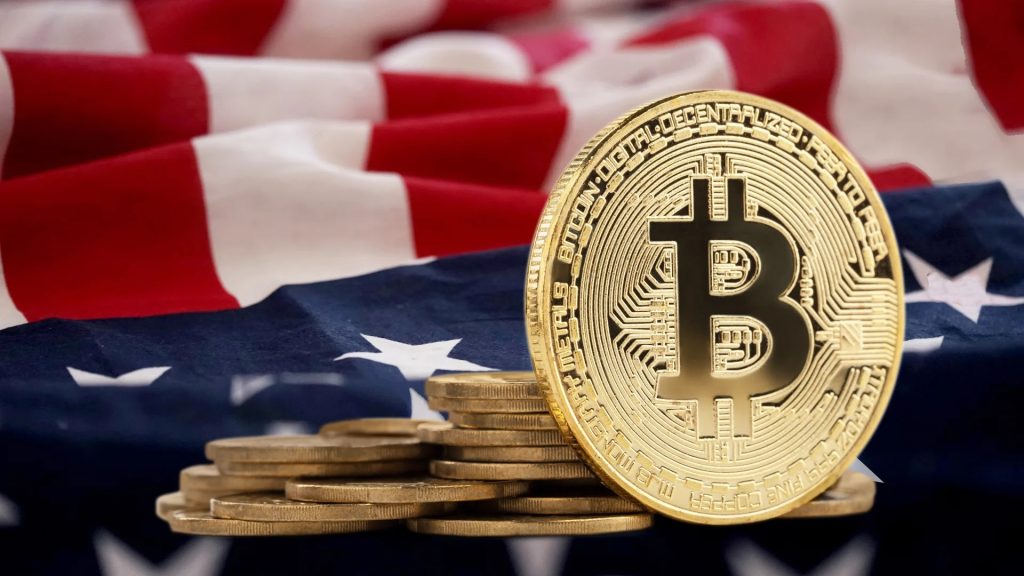
Pompliano: Bitcoin Is the Leading Indicator of Inflation
Bitcoin price movements could serve as an early indicator of future inflation trends, according to American entrepreneur Anthony Pompliano.
In a recent post on X, Pompliano argued that Bitcoin has historically moved ahead of major shifts in consumer inflation. He suggested that sharp price changes in cryptocurrencies have often been followed by corresponding inflationary movements months later, hinting at a recurring pattern that may warrant attention.
Key Points
- Bitcoin’s rally from $10,374 in October 2020 to $69,000 by November 2021 preceded a rise in headline CPI to 6.2%.
- Core CPI, excluding food and energy, increased 4.6% year over year during Bitcoin’s 2020–2021 rally.
- Bitcoin reached a peak of $126,080 in October 2025, then declined 36% to $80,600 by November.
- The 2025 Bitcoin downturn preceded stabilization in headline CPI at around 2.6–2.7%.
- Core CPI in late 2025 decreased to approximately 2.6%, indicating that inflation pressures have moderated.
- Sector trends after Bitcoin’s 2025 decline showed energy inflation slowing to 2.3% and food inflation rising to 3.1%.
Possible Link Between Bitcoin and Inflation Cycles
Pompliano highlighted two distinct market cycles to support his argument. First, he noted Bitcoin’s sharp rise in 2020, which preceded a surge in inflation. Later, he pointed to Bitcoin’s steep decline in 2025, followed by a slowdown in price pressures.
Pompliano noted that the repeated timing of these shifts suggests Bitcoin may function as a forward-looking economic signal.
Bitcoin’s 2020–2021 Rally and Rising Inflation
The first example dates to late 2020, when Bitcoin began a strong rally in October, starting at approximately $10,374. Subsequently, the upward momentum carried into 2021, culminating in a peak near $69,000 by November 2021, an increase of more than 565% in just over a year.
During this period, inflationary pressures across the U.S. economy also intensified. Data from the U.S. Bureau of Labor Statistics shows the Consumer Price Index (CPI) rose 6.2% year over year by October 2021, marking the highest annual increase since 1990.
In addition, core CPI, which excludes food and energy, climbed 4.6%—the fastest pace recorded since 1991. Inflation was broad-based, with energy prices rising approximately 30% over the past year and food prices increasing 5.3% annually. Together, these increases reflected broad-based inflation as Bitcoin’s rally peaked.
Second Signal Emerges in 2025
Pompliano’s second case centers on Bitcoin’s price action in 2025. The cryptocurrency reached a record high of $126,080 on October 6 before reversing course. By November, Bitcoin had fallen to around $80,600, representing a decline of roughly 36%.
Pompliano argues that this downturn, once again, preceded a shift in inflation dynamics.
Following Bitcoin’s pullback, U.S. inflation indicators showed signs of stabilization. The headline CPI hovered between 2.6% and 2.7% through late 2025, suggesting broader price pressures were easing.
The slowdown appeared more pronounced in core inflation measures. By late 2025, core CPI had decreased to approximately 2.6%, a multi-year low that suggests moderating demand-driven inflationary pressures.
However, inflation trends varied across sectors. Energy inflation moderated significantly, with year-over-year energy prices rising about 2.3% in December, aided by lower gasoline costs. Meanwhile, food inflation accelerated to approximately 3.1% by year-end, reflecting upward pressure from meat and poultry prices.
Ongoing Debate Over Bitcoin’s Economic Signal
Pompliano’s observations add to an ongoing debate over Bitcoin’s role in macroeconomic forecasting. Proponents argue that Bitcoin reflects future monetary conditions and investor expectations, whereas skeptics warn that price movements may merely reflect speculation rather than underlying economic fundamentals.
For now, Pompliano’s case highlights correlation rather than causation. Ultimately, whether Bitcoin truly serves as a reliable early signal for inflation remains an open question.
You May Also Like
Virginia Republicans rage against ex-GOP governor: 'Missing in action' while eyeing 2028

Franklin Templeton CEO Dismisses 50bps Rate Cut Ahead FOMC