How Much Was Bitcoin in 2014? A Year of Crisis and Recovery
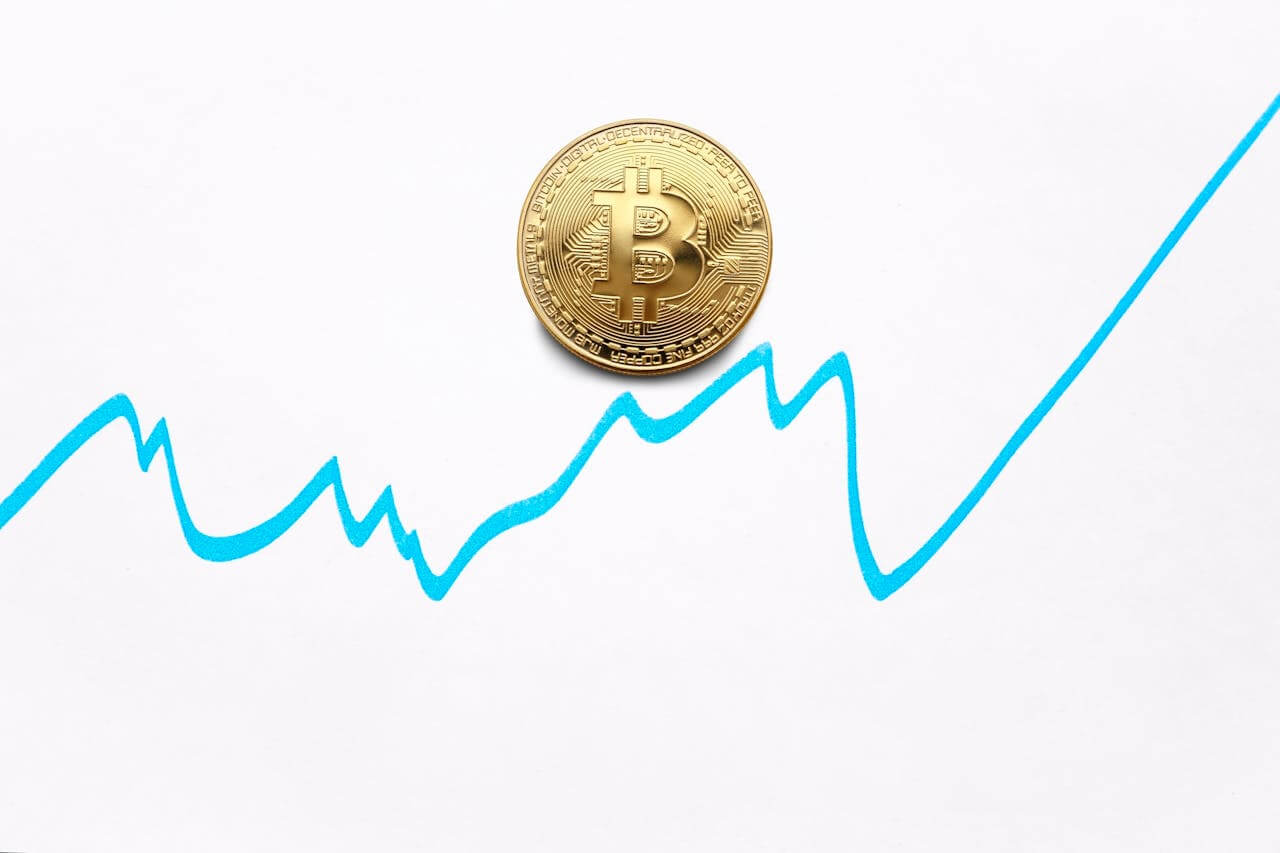
- Bitcoin started 2014 at $754.22, peaked at $919.20 in early January, then crashed to $321 by year's end—a 58% decline.
- The Mt. Gox exchange collapse in February 2014 caused widespread panic after losing approximately 744,000 BTC.
- Despite the Mt. Gox disaster, Bitcoin's underlying protocol continued operating without interruption throughout the crisis.
- The IRS declared Bitcoin would be taxed as property in March 2014, providing crucial regulatory clarity for the industry.
- Bitcoin's 2014 challenges strengthened its ecosystem through improved exchange security and better regulatory frameworks.
- Historical patterns show Bitcoin typically recovers within 2-3 years after major crashes, reaching new all-time highs.
How Much Was Bitcoin in 2014? Price Journey From $754 to $378
What Made 2014 Different? The Mt. Gox Disaster
How Much Was Bitcoin Worth in 2014? Real Value Analysis
Lessons From Bitcoin's 2014 Performance
FAQ: Common Questions About Bitcoin in 2014
Conclusion
জনপ্রিয় আর্টিকেল
Who is Charles Hoskinson? Cardano Founder Background & Vision
Charles Hoskinson is a prominent figure in the cryptocurrency space, best known as the co-founder of Ethereum and the founder of Cardano. Hoskinson has played a significant role in shaping the future
Cardano vs Solana: Key Differences in Architecture & Design Philosophy
When it comes to blockchain technology, two projects often discussed in the same breath are Cardano (ADA) and Solana (SOL). Both are third-generation blockchains designed to address the scalability an

Cardano Price Analysis: Understanding ADA's Market Cap & Price Potential
As Cardano’s ADA continues to grow in the crypto space, one question often arises: Can ADA reach $10? While thecryptocurrency market is known for its volatility, understanding market cap and price pre
The Rise of CommerceFi: Why Crypto Payments Are Going Mainstream
Crypto cycles are predictable. A new infrastructure wave arrives. Liquidity pours into Layer 1 ecosystems. A token meta monopolizes attention. Eventually the narrative burns out and the market looks f
ট্রেন্ডিং নিউজ
আরও দেখুন
সিজন ৩ হল বিশুদ্ধ আবেগীয় ধ্বংসযজ্ঞ
সিজন ৩ ইজ পিউর ইমোশনাল কার্নেজ পোস্টটি BitcoinEthereumNews.com-এ প্রকাশিত হয়েছে। Hulu-এর 'Tell Me Lies'-এর তৃতীয় সিজনে জ্যাকসন হোয়াইট এবং গ্রেস ভ্যান প্যাটেন। ফটো

OpenAI চ্যাটজিপিটির ফ্রি টায়ারে বিজ্ঞাপন নিয়ে আসছে যখন $1.4T অবকাঠামো বিল আসন্ন
OpenAI চ্যাটজিপিটি ফ্রি টায়ারে বিজ্ঞাপন নিয়ে আসছে $1.4T অবকাঠামো বিল আসন্ন থাকায় পোস্টটি BitcoinEthereumNews.com-এ প্রকাশিত হয়েছে। Rebeca Moen জানুয়ারি ১৭, ২০২৬ ০০:২৬ OpenAI
জিম ক্র্যামার বলেছেন চিপ স্টক র্যালি অব্যাহত থাকবে কারণ কারখানাগুলোতে আরও বেশি তৈরি করার জন্য পর্যাপ্ত সরঞ্জাম নেই
জিম ক্র্যামার বলেছেন চিপ স্টক র্যালি অব্যাহত থাকবে কারণ কারখানাগুলিতে আরও বেশি তৈরি করার জন্য পর্যাপ্ত সরঞ্জাম নেই এই পোস্টটি BitcoinEthereumNews.com-এ প্রকাশিত হয়েছে। জিম ক্র্যামার বলেছেন চিপ

জিনপিং চীনের প্রযুক্তি গ্রুপগুলোর মধ্যে মূল্য যুদ্ধ রোধ করতে চান
জিনপিং চীনের প্রযুক্তি গোষ্ঠীগুলির মধ্যে মূল্য যুদ্ধ নিয়ন্ত্রণ করতে চান এই পোস্টটি BitcoinEthereumNews.com-এ প্রকাশিত হয়েছে। শি জিনপিং চীনের প্রযুক্তি কোম্পানিগুলিকে থামাতে চান
সম্পর্কিত আর্টিকেল
Who is Charles Hoskinson? Cardano Founder Background & Vision
Charles Hoskinson is a prominent figure in the cryptocurrency space, best known as the co-founder of Ethereum and the founder of Cardano. Hoskinson has played a significant role in shaping the future
Cardano vs Solana: Key Differences in Architecture & Design Philosophy
When it comes to blockchain technology, two projects often discussed in the same breath are Cardano (ADA) and Solana (SOL). Both are third-generation blockchains designed to address the scalability an
Cardano Price Analysis: Understanding ADA's Market Cap & Price Potential
As Cardano’s ADA continues to grow in the crypto space, one question often arises: Can ADA reach $10? While thecryptocurrency market is known for its volatility, understanding market cap and price pre
The Rise of CommerceFi: Why Crypto Payments Are Going Mainstream
Crypto cycles are predictable. A new infrastructure wave arrives. Liquidity pours into Layer 1 ecosystems. A token meta monopolizes attention. Eventually the narrative burns out and the market looks f